EU to Allocate €3 Billion for Ukraine's Energy Sector in Brussels Talks.

Bolstering Ukraine's Energy Infrastructure
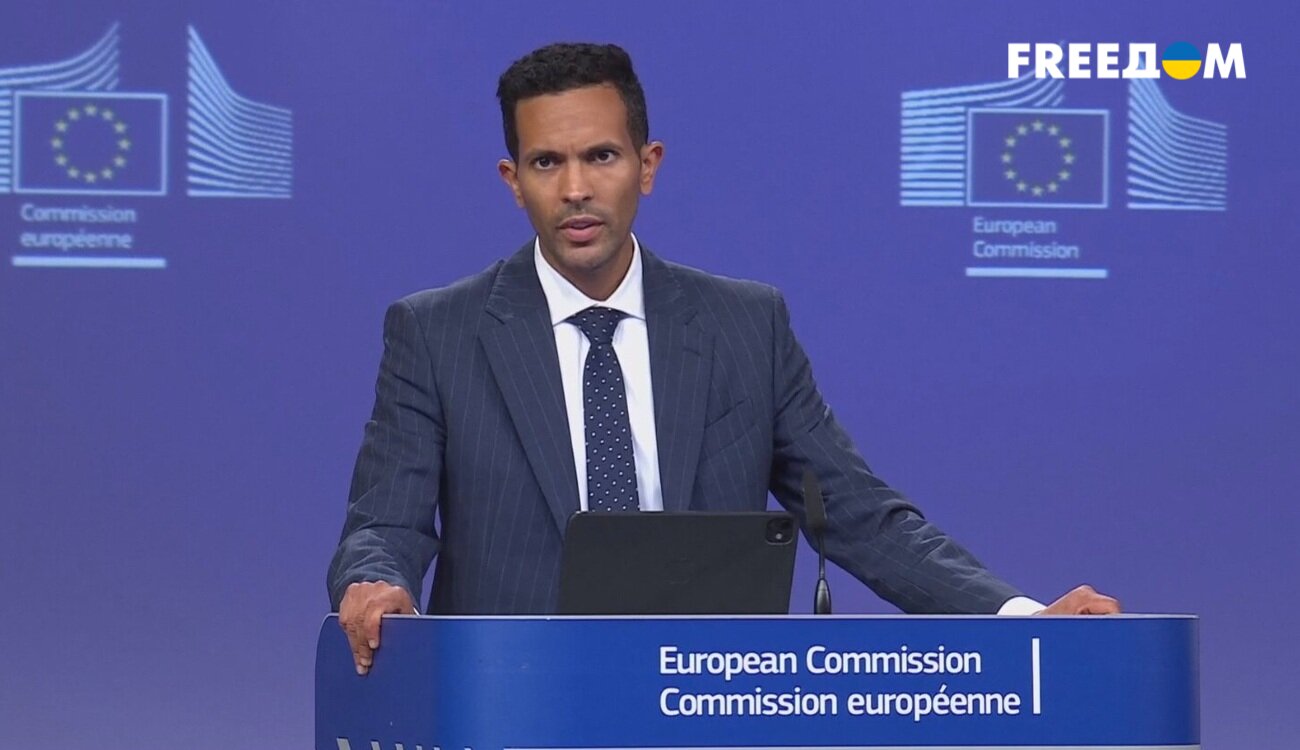
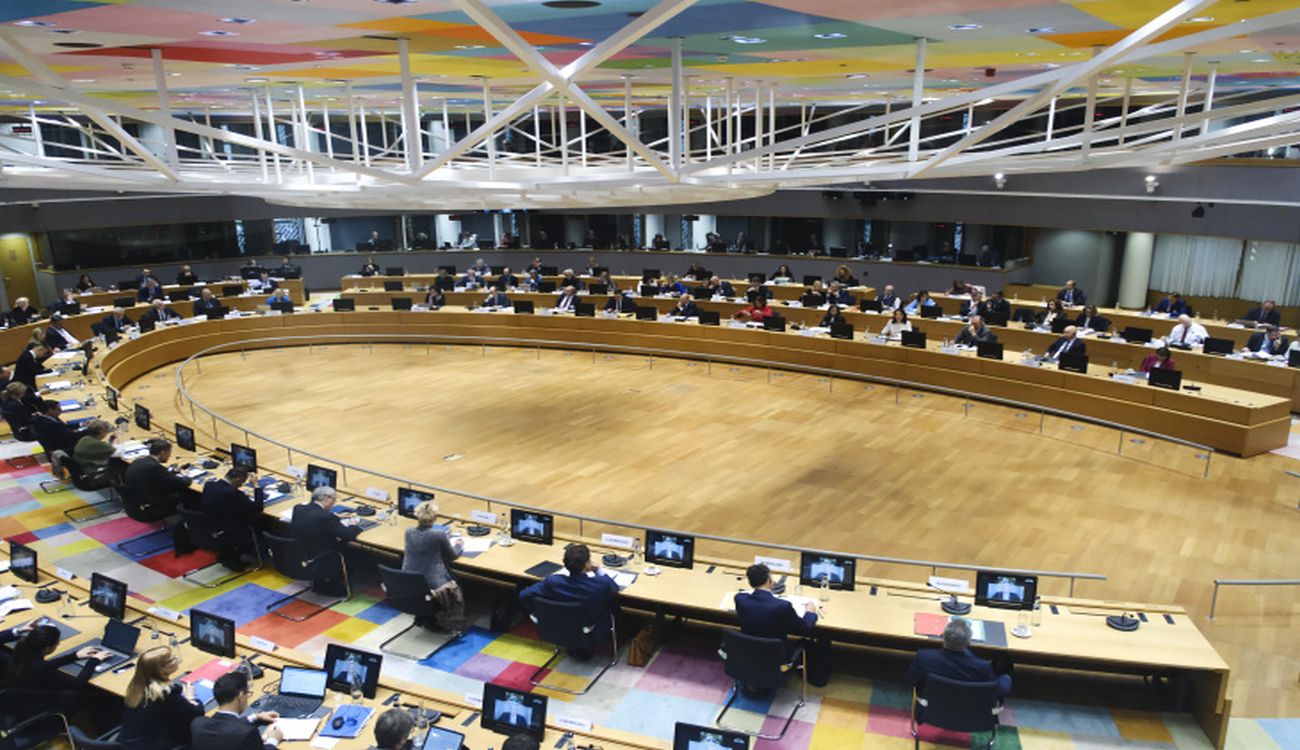
According to UATV: The European Union is preparing a €3 billion package to support Ukraine's energy infrastructure, a key topic at the EU Foreign Affairs Council meeting in Brussels on January 29. Ukrainian Minister Andrii Sybiha is expected to participate. This substantial funding is part of a broader agenda that also includes discussions on new sanctions against Russia, even as diplomatic peace efforts continue. This meeting underscores the EU's dual-track approach of providing critical aid while maintaining pressure on Moscow.
The EU's planned €3 billion in support aims to help stabilize Ukraine's national energy grid. As part of these ongoing relief efforts, the bloc has already dispatched 500 generators to Ukraine, with an additional 500 units prepared for shipment to help the country cope with severe energy shortages.
Key Discussion Points
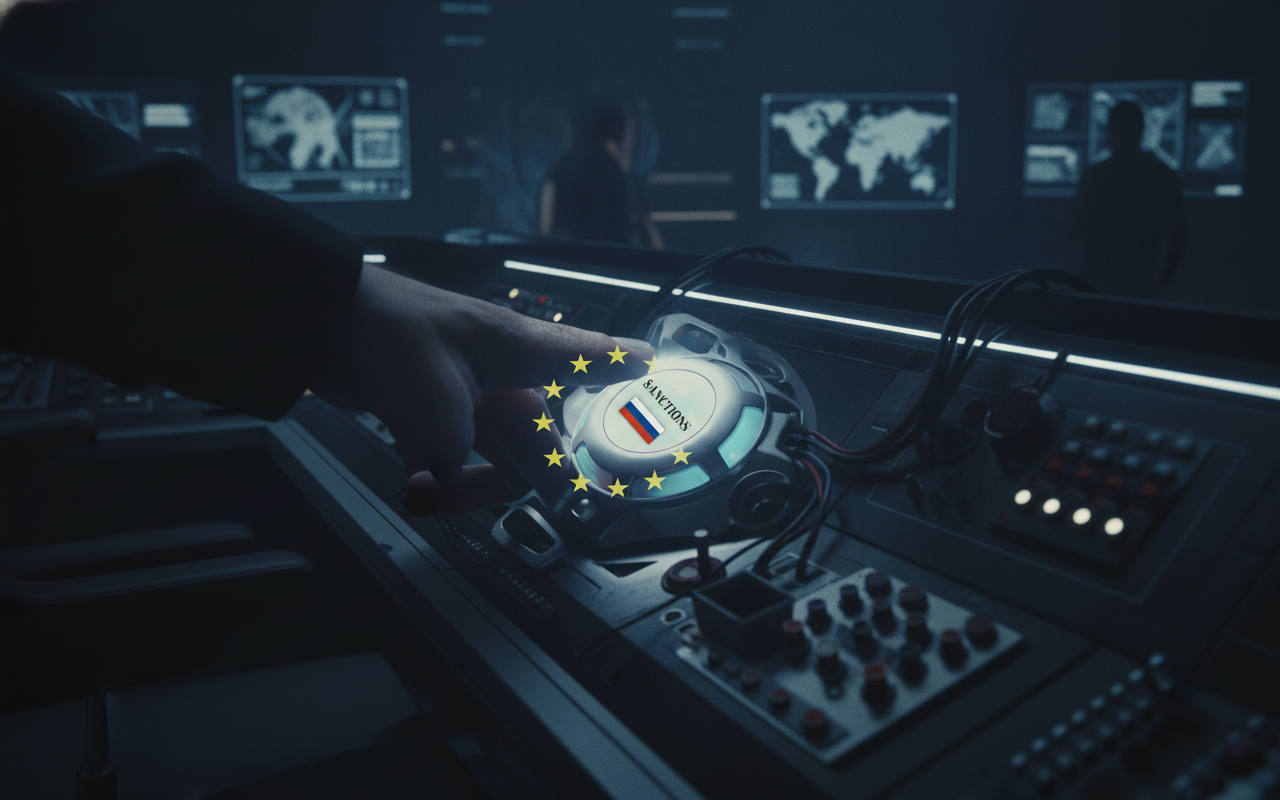
Another major item on the agenda is the formal proposal to add Russia to the EU's high-risk list for money laundering and terrorist financing, a decision already backed by the European Commission. Meeting participants are emphasizing the necessity of intensifying pressure on Russia, viewing it as the only viable path to curbing further aggression. This move is a significant step in the EU's financial strategy to isolate Russia economically.
In line with long-term strategic goals, Ukraine's ambition to join the European Union by 2027 is also under discussion. Participants have highlighted concerns regarding Russia's representation in peace talks, noting that its military officials lack the authority to finalize any binding agreement. The talks stress the ongoing threat posed by Russian combatants and the continued need for efforts to achieve regional stability.
The allocation of €3 billion for Ukraine's energy infrastructure demonstrates the EU's growing commitment to supporting the nation amidst war and an acute energy crisis. This step could significantly improve conditions within the country, especially during the challenging winter months when energy needs are most critical. The parallel discussions on new sanctions against Russia further underscore the EU's determination to sustain pressure on the aggressor state, a policy with potential long-term consequences for international relations and regional stability.
Read also
- Zelensky and Top Military Command Outline Response Plan to Russian Strikes
- EU's New Sanctions Package Targets Crypto Platforms Used to Bypass Restrictions
- New directives for Ukraine's National Security and Defense Council: Zelenskyy assigns tasks to Umerov and Klymenko
- Ukraine Extradites Former Lawmaker Demchak in Major Push to Bring Back Suspects
- EU Adopts 21st Sanctions Package Against Russia: What the New Restrictions Target
- Lithuania Accuses EU Nations of Undermining Sanctions for Their Own Economic Gain