New Rules for Ukrainians in the EU: What Will Change with Biometrics from October.

New Travel Rules for Britons
According to The Sun: From October 12, new rules will come into effect for all Britons planning to visit Europe. This applies to both EU citizens and those who are not part of it, including Britons traveling to Schengen countries.
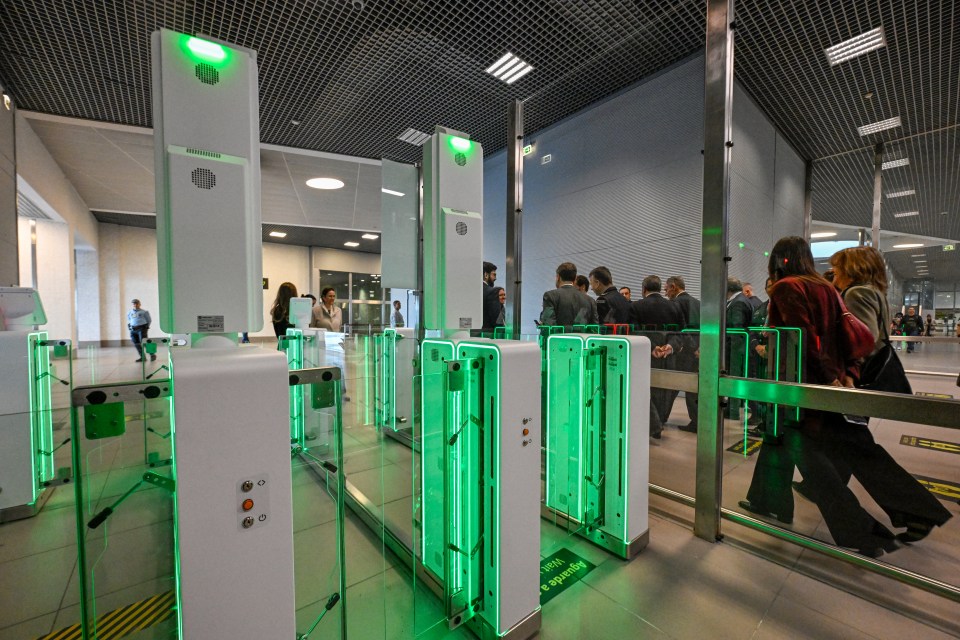
According to the new Entry/Exit System (EES), Schengen countries are abandoning manual passport stamping. Now, upon entering, travelers must provide four fingerprints and take a photo of their face. This data will be stored for three years to monitor tourist stays, helping to control the maximum stay of 90 days within 180 days.
GettyPhased Implementation of the System
However, the new rules will not be fully operational from October 12 - they are planned to be implemented in phases across 29 countries over six months. This means that if you go on vacation on October 13, you may not need to provide your biometric data.
The phased implementation of the EES will conclude on April 9, 2026, after which the system will be fully operational. Until then, passports will continue to be stamped manually.
The digitization of border crossings aims to make checks more efficient and secure, as well as to assist border guards in identifying offenders. However, delays may occur during the transition due to the registration of travelers' biometric data.
“When implementing the EES, you may have to create a digital record during your first visit to the Schengen area at the port or airport upon arrival.”
Children under 12 will not have to provide fingerprints. Britons planning to travel during the October holidays may face delays due to the need to collect biometric data.
GettyWhat Changes Await Britons?
From October 12, Britons crossing the Schengen border for the first time after the EES is implemented will need to provide personal data to border guards. They will have to scan fingerprints and/or take a photo of their face, and this data will be recorded in a digital file. After the initial data collection, re-registration will only be needed after three years.
The EES will also apply to Eurostar and the Port of Dover, with the EES check taking place before departure from the UK. If the cruise starts and ends outside the Schengen area, travelers will be exempt from EES checks, but if they disembark within Schengen during the cruise, they will need to undergo checks.
Countries Where the EES Will Be Applicable
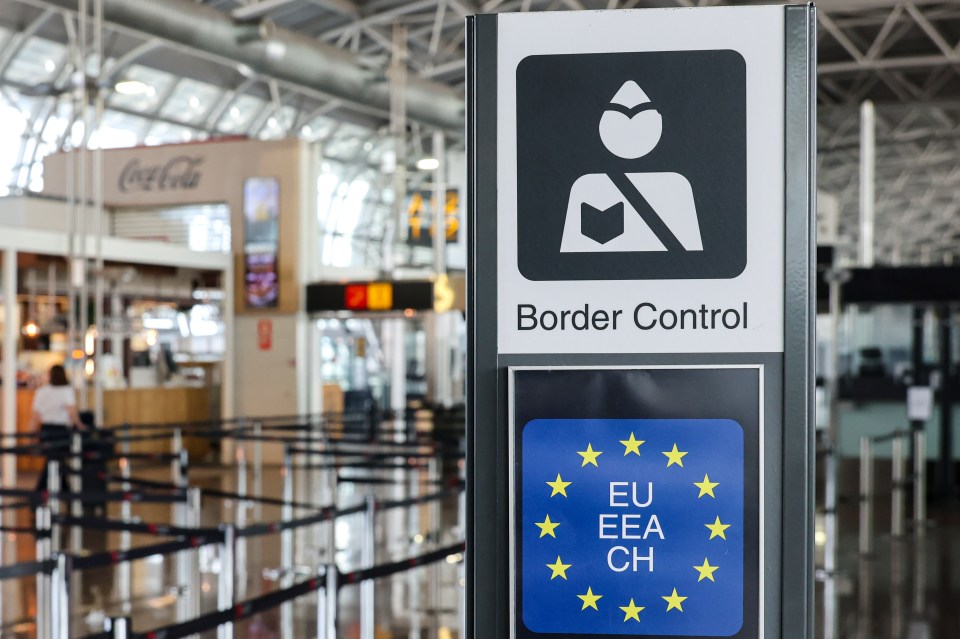
Countries in the Schengen Zone:
- Austria
- Belgium
- Bulgaria
- Croatia
- Czech Republic
- Denmark
- Estonia
- Finland
- France
- Germany
- Greece
- Hungary
- Iceland
- Italy
- Latvia
- Liechtenstein
- Lithuania
- Luxembourg
- Malta
- Netherlands
- Norway
- Poland
- Portugal
- Romania
- Slovakia
- Slovenia
- Spain
- Sweden
- Switzerland
 Getty
Getty
Changes in entry rules will contribute to stronger controls, which may, in turn, affect the cost of visas for Britons traveling to Europe.
Read also
- New High-Speed Trains Set to Launch This Summer: Connecting Dnipro and Kyiv with Odesa
- Paper Tickets Now Mandatory for Certain International Routes, Ukrzaliznytsia Warns Travelers
- A Hidden 1989 Inscription by Metro Builders at Kyiv’s Golden Gate Station: What Lies Behind the Wall
- Buses from Ukraine to Poland Suspended for 18 Months Due to Repairs at Shehyni-Medyka Border Crossing
- Suitcase delivery to parcel lockers across 8 EU countries launched by InPost – pricing revealed
- Bus Service to Poland via Shehyni Checkpoint to Halt for 18 Months Starting June 15, 2026