Germany and France Lead Talks on a European Nuclear Shield.

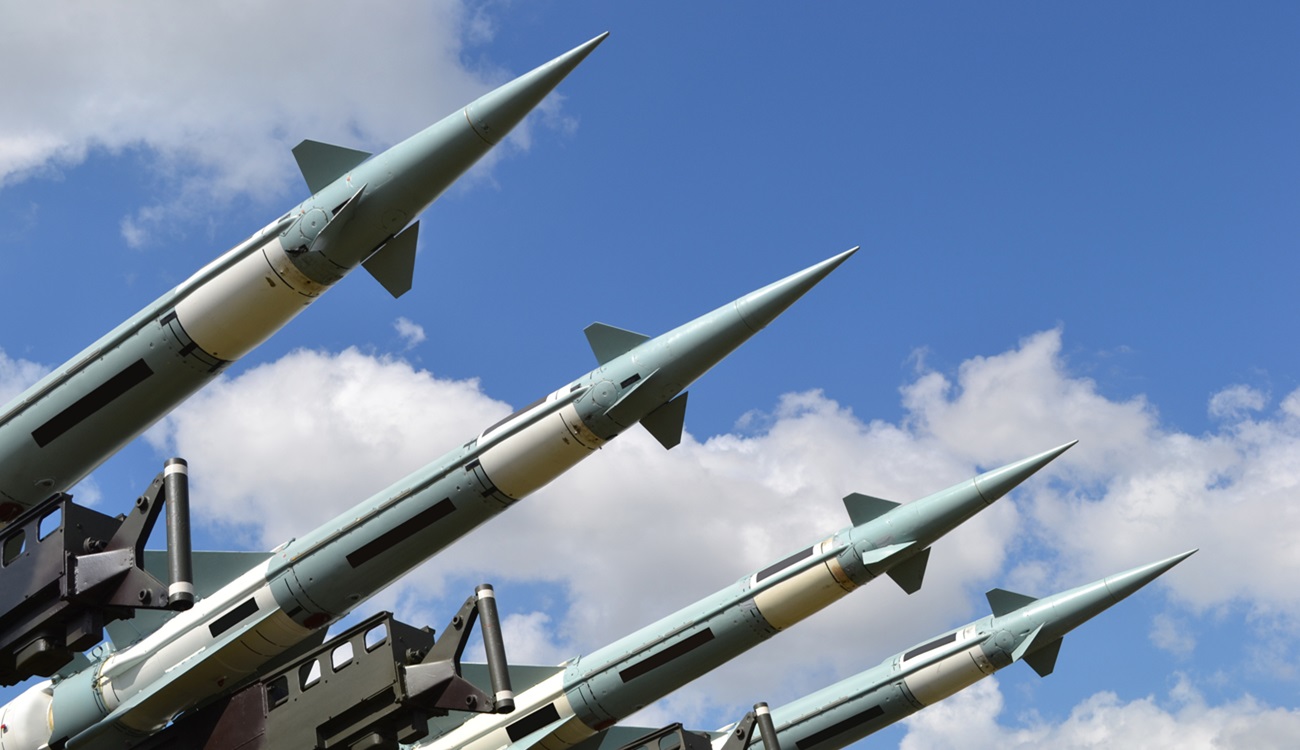
Europe Considers a Joint Nuclear Defense Initiative
According to UATV: Germany and France are engaged in high-level negotiations to establish a European nuclear defense system. This initiative has gained urgency due to escalating threats from Russia, alongside Sweden's demand for nuclear security guarantees and Poland's consideration of developing its own nuclear arsenal. The significance of these talks was underscored by German Chancellor Friedrich Merz, who discussed the creation of a European 'nuclear umbrella' with French President Emmanuel Macron.
France and the United Kingdom already possess nuclear arsenals, with approximately 400 deployed warheads between them. Furthermore, the United States' extended deterrence strategy includes around 100 tactical B61 bombs stationed across five NATO countries in Europe. In light of this, Emmanuel Macron has stated:
"We must rethink nuclear deterrence." — Emmanuel Macron
The strategic landscape is further complicated by the impending expiration of the New START treaty between the U.S. and Russia on February 5, 2026. According to estimates from the Federation of American Scientists, Russia is projected to have 5,459 nuclear warheads in 2025, compared to 5,177 for the United States. Within this tense environment, Polish representative Karol Nawrocki has emphasized:
"Poland needs to develop its own nuclear weapons." — Karol Nawrocki
Consequently, discussions on nuclear security in Europe are becoming increasingly critical, demanding proactive measures and new strategic decisions from regional powers. This debate reflects a continent grappling with a fundamental shift in its security architecture, moving beyond decades of post-Cold War assumptions.
The active involvement of Germany and France highlights the importance of collective European efforts in responding to new security challenges. The deterioration of relations between Russia and the West, coupled with uncertainty surrounding the future of key international agreements like New START, threatens regional stability. This situation may lead to new defense initiatives that encompass not only nuclear deterrence but also the development of alternative security strategies and enhanced cooperation among European nations.
Read also
- Zelensky and Top Military Command Outline Response Plan to Russian Strikes
- EU's New Sanctions Package Targets Crypto Platforms Used to Bypass Restrictions
- New directives for Ukraine's National Security and Defense Council: Zelenskyy assigns tasks to Umerov and Klymenko
- Ukraine Extradites Former Lawmaker Demchak in Major Push to Bring Back Suspects
- EU Adopts 21st Sanctions Package Against Russia: What the New Restrictions Target
- Lithuania Accuses EU Nations of Undermining Sanctions for Their Own Economic Gain