European Parliament Condemns Naming of Special Operations Unit After UPA: Vote Set for July 8.

Debate Over Amendment Heats Up in European Parliament
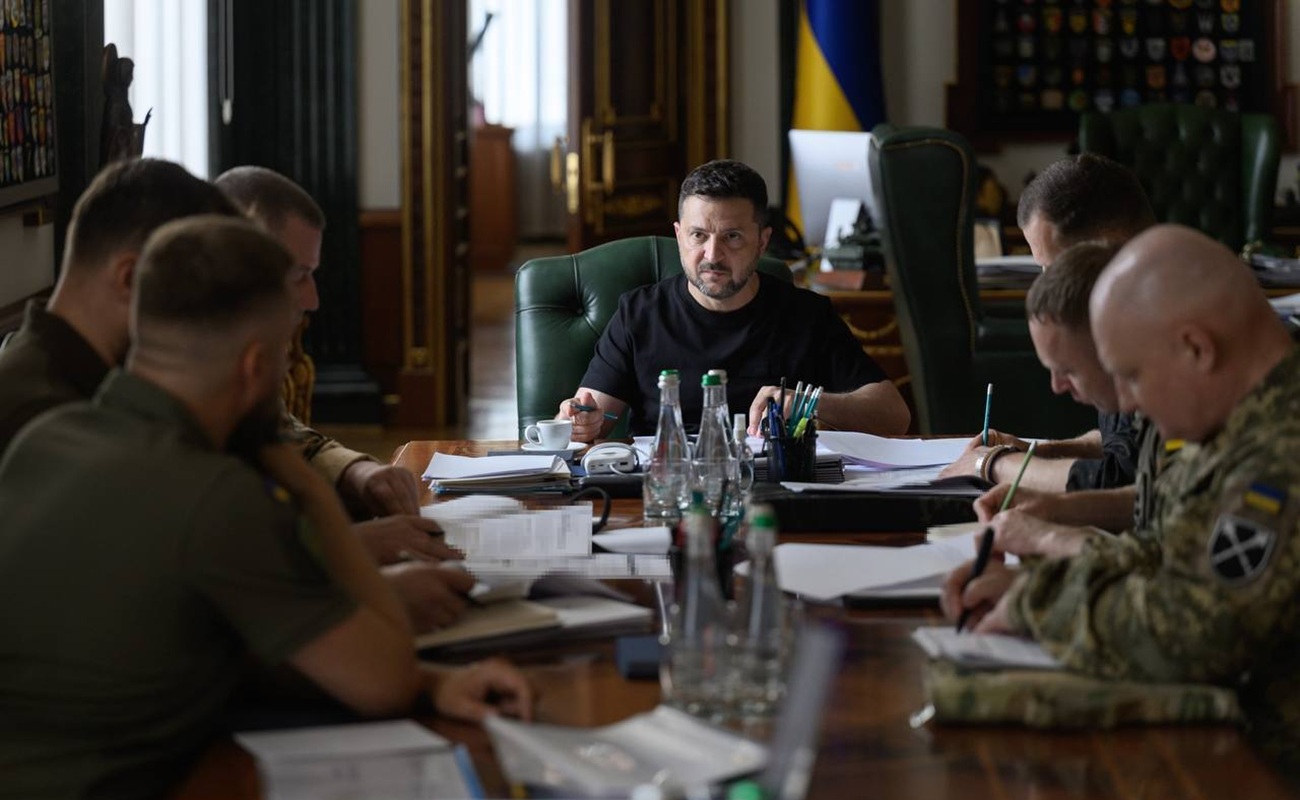
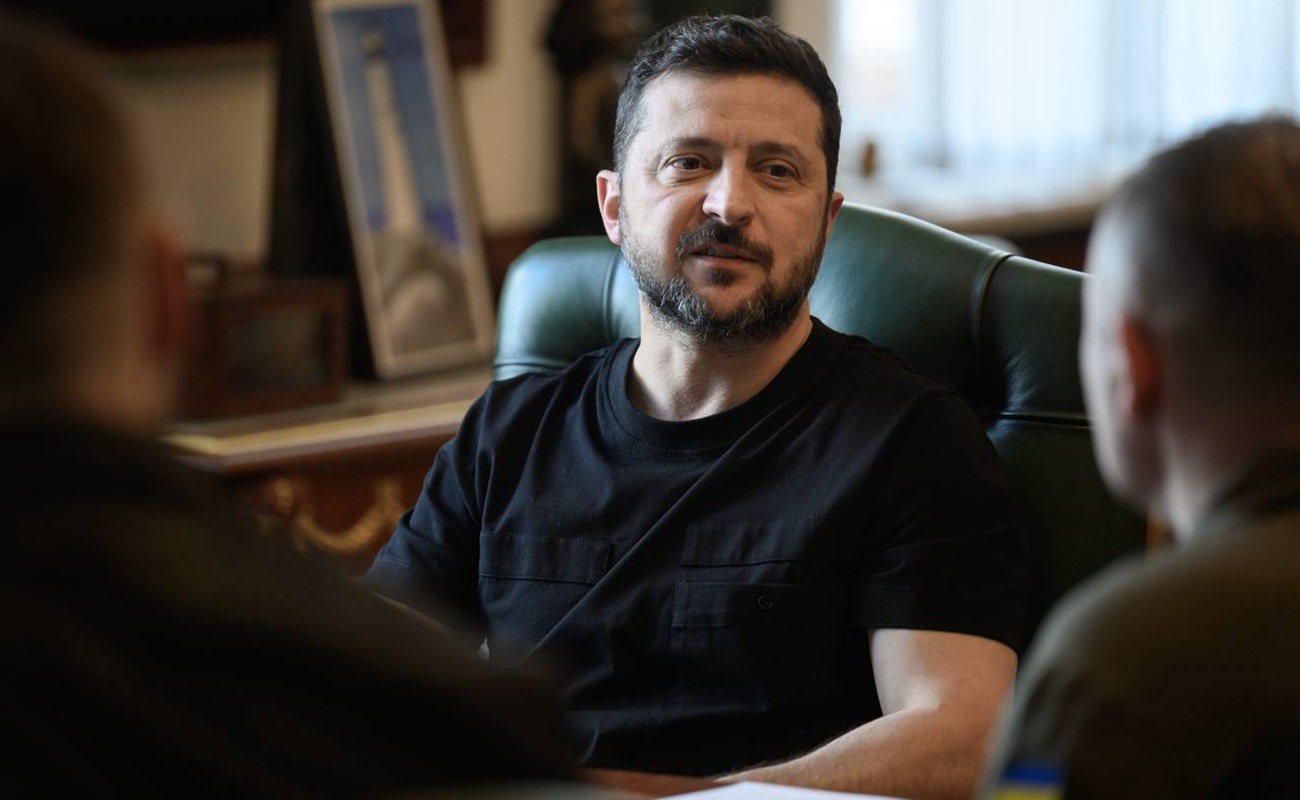
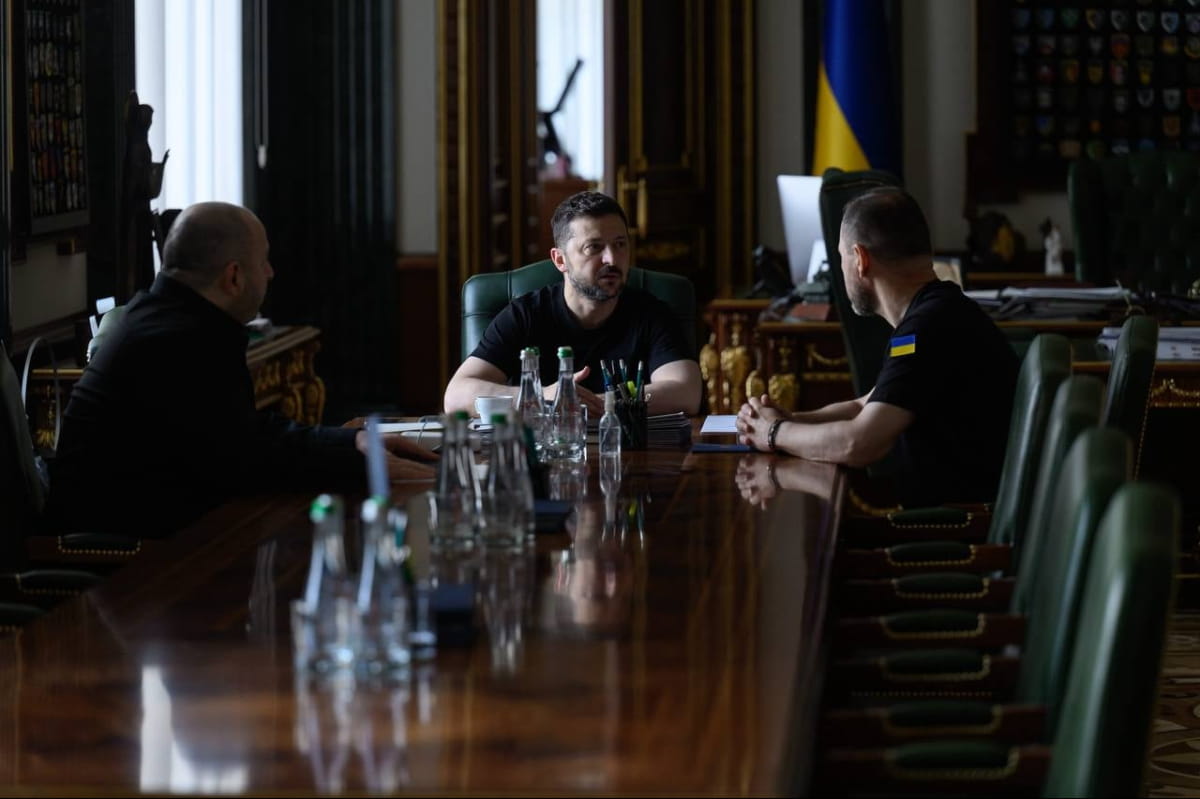
According to Espreso.tv: The European Parliament is currently reviewing an amendment that expresses regret over Ukrainian President Volodymyr Zelenskyy's decision to name an elite special operations unit after the Heroes of the Ukrainian Insurgent Army (UPA). A vote on this amendment is scheduled for July 8. This development comes amid ongoing tensions over how Ukraine commemorates historical figures and groups, particularly those with controversial legacies in neighboring countries.
The amendment was introduced by German MEP Michael Gahler and Polish MEP Andzej Halicki. Notably, the Socialists and Democrats group has submitted an identical version of the text, signaling broad support among European politicians. Polish MEP Piotr Müller has also called for separate debates to honor victims of genocide committed by the UPA, highlighting the sensitivity of the issue given the historical context of World War II-era atrocities.
Implications for International Relations
The plenary session's agenda may shift when it opens on July 6, potentially affecting the timing of this amendment's discussion. These events underscore the growing international scrutiny of Ukraine's historical and political decisions, as well as their ripple effects on foreign relations. The debate reflects how deeply historical narratives can shape modern diplomacy, especially with countries like Poland that carry their own historical traumas.
The European Parliament's discussion over naming a Ukrainian special operations unit after the UPA highlights the complexity of Ukraine's history and its impact on contemporary international relations. Addressing these historical contexts and sensitive topics shows that political choices can have far-reaching consequences, not only within Ukraine but also in its ties with other nations, particularly its neighbors. This debate also signals the increasing prominence of Ukrainian affairs in European politics, which could influence future support for Ukraine's fight for sovereignty and territorial integrity.
Read also
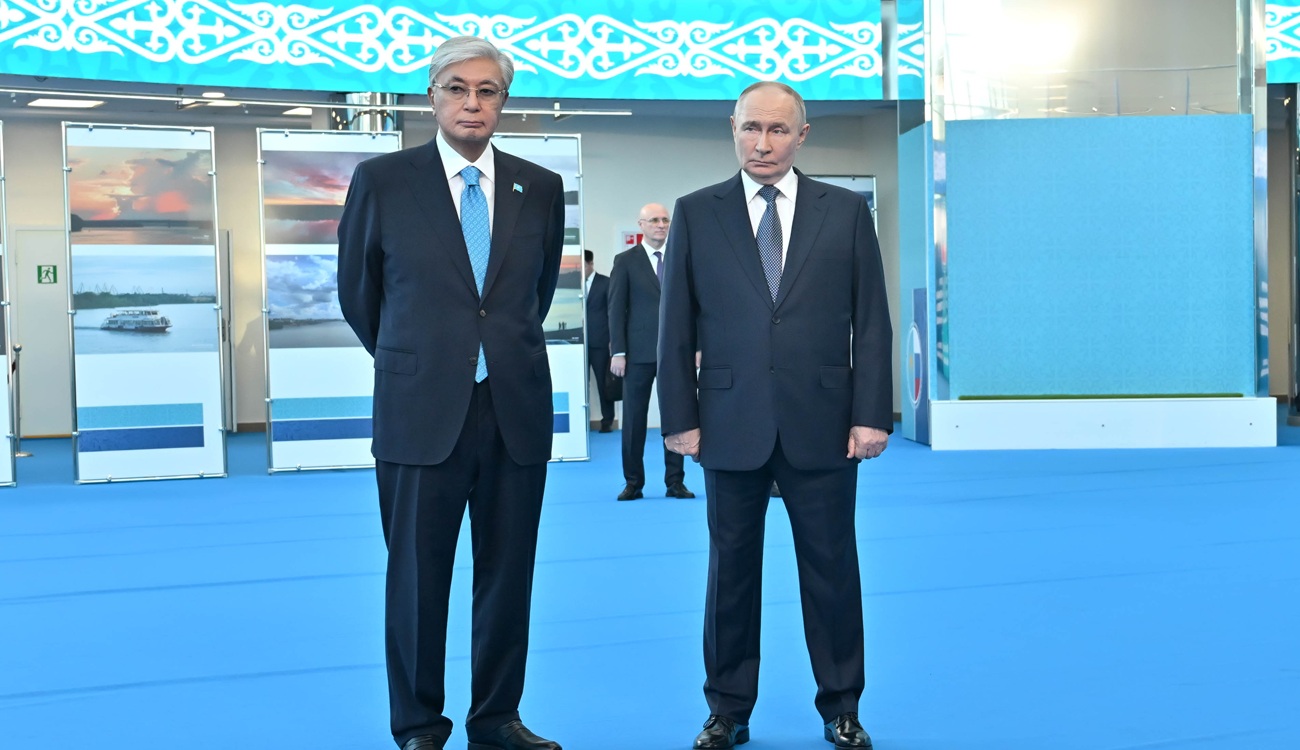
- Peace Appeal From Kazakh Leader During Putin Meeting
- Tokaev told Putin: the reasons for the war in Ukraine are unclear
- Over 1,000 Drone Strikes Carried Out as Zelenskyy Announces Completion of Long-Range Strike Plan
- Zelensky and Top Military Command Outline Response Plan to Russian Strikes
- EU's New Sanctions Package Targets Crypto Platforms Used to Bypass Restrictions
- New directives for Ukraine's National Security and Defense Council: Zelenskyy assigns tasks to Umerov and Klymenko