Finland Lifts 40-Year Nuclear Weapons Ban, Citing Russian Threat.

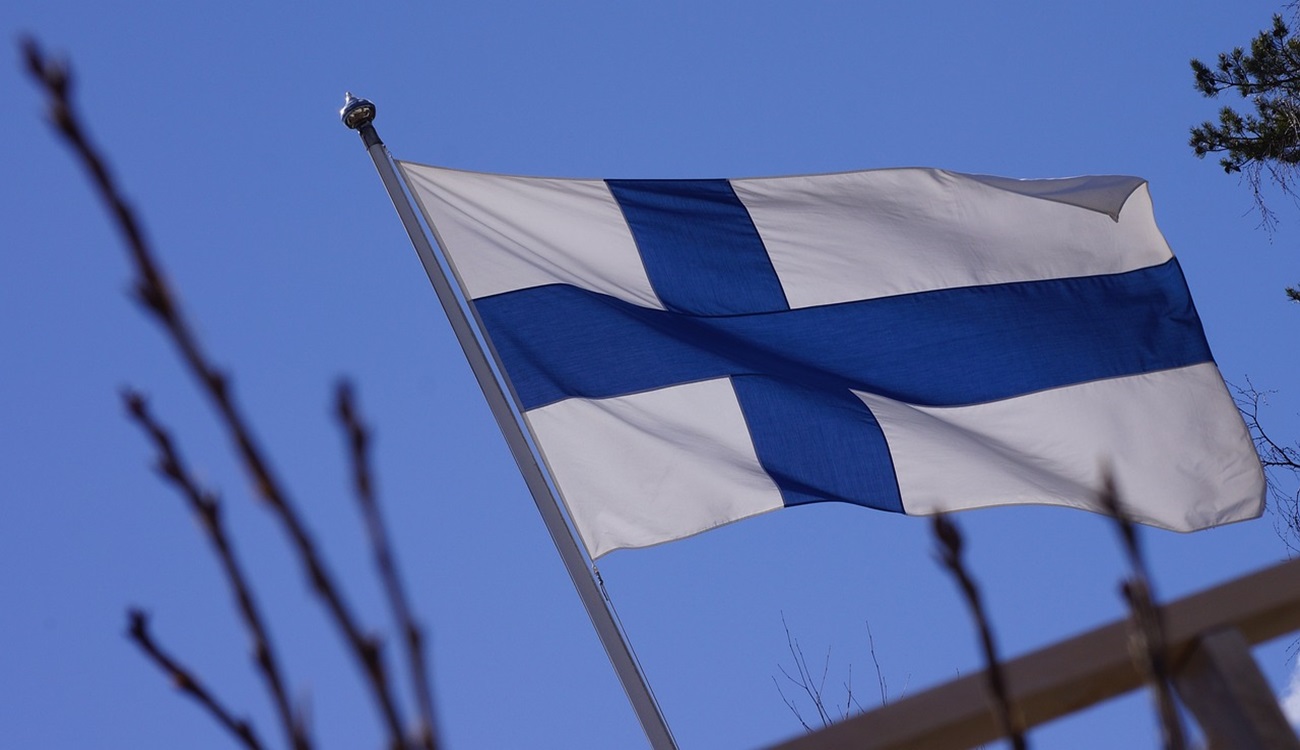
Finland Repeals Longstanding Nuclear Weapons Law
According to UATV: Finland has moved to repeal a 40-year-old law that prohibited the storage of nuclear weapons on its territory. This decision is a direct response to heightened security threats from Russia and the strategic requirements of integrating into NATO's nuclear deterrence framework. The law, which had been in effect since 1987, is now considered obsolete in the face of the nation's current security challenges.
A Strategic Shift in Response to Geopolitical Risks
Finland's accession to NATO in 2023 underscored its commitment to bolstering its defense capabilities amid growing regional instability. According to Antti Häkkänen, repealing this law is a crucial step, as
"such a move is necessary for the country to be able to defend itself as part of NATO, should the need arise."He also emphasized that
"legislative changes are critically important for the nation's security."
A key driver of this policy shift is the persistent threat posed by Russia, which Häkkänen described as
"representing the most serious long-term threat to our security."In response to similar pressures, other European nations are also reinforcing their defense postures. For instance, France plans to increase its stockpile of nuclear warheads, a move that Mark Rutte stated
"strengthens France's policy."
European leaders widely recognize that enhanced security cooperation is now imperative. Mette Frederiksen noted that
"deepening cooperation will strengthen European security against the backdrop of an expected escalation in the military threat from Russia."These developments signal a regional pivot toward more proactive measures in the face of new security challenges, affirming a readiness for collective defense.
Finland's repeal of its nuclear weapons ban is poised to significantly impact Europe's security architecture as the country integrates into NATO. This move reflects not only a shift in Finland's domestic policy but also broader regional trends, where states are adapting their military strategies to a new reality. In the context of escalating military threats from Russia, such steps may act as a catalyst for further strengthening European defense collaboration. This decision marks a historic reversal for a nation long associated with neutrality and non-alignment.
Read also
- Hungarian President Resigns After Signing Constitutional Amendment
- France Summons Russia’s Chargé d’Affaires Over Cyberattacks Linked to FSB’s 16th Center
- Trump Threatens Tariffs Against Canada Over Wildfires: Here’s What We Know
- U.S. lawmakers propose sanctions on Russia if it refuses peace talks with Ukraine
- Hungary Left Without a President as Parliament Passes Constitutional Amendment
- Ukraine’s Top Commander Warns of Imminent Russian Offensive as Defense Forces Brace for Reinforcement