Herculaneum: why the city destroyed by Vesuvius is better preserved than Pompeii.

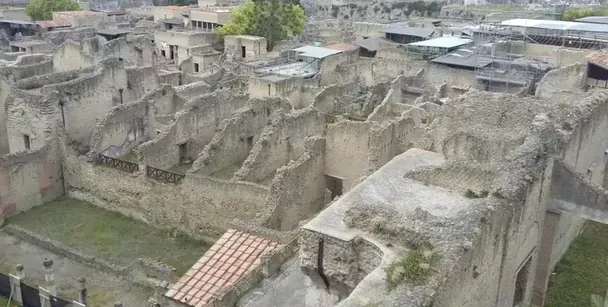
Herculaneum: why the city destroyed by Vesuvius is better preserved than Pompeii
According to TSN.ua: Herculaneum, a city in Italy, was destroyed by the eruption of Vesuvius in 79 AD. Unlike neighboring Pompeii, Herculaneum has been better preserved, allowing modern researchers and tourists to appreciate the original buildings and artifacts that have remained intact. The eruption covered the city in lava and ash, which led to the unparalleled preservation of its architecture and artifacts.
The historical significance of Herculaneum
Herculaneum was a wealthy city prior to the disaster, which contributed to the construction of numerous significant buildings on its territory. Today, tourists choose Herculaneum not only for its historical significance but also for its ease of access.
- The Ercolano Scavi station, located on the railway line between Sorrento and Naples, provides convenient transportation for visitors.
- Smaller crowds in Herculaneum allow visitors to enjoy the atmosphere of the ancient city without excessive noise and hustle.
The Vesuvius volcano last erupted in 1944, and although the city is no longer under threat, its history leaves a deep impression on visitors. Herculaneum, with its tragic history and 'presence effect', continues to attract the attention of researchers, archeologists, and tourists eager to experience the spirit of ancient Rome.
Herculaneum is an important part of historical heritage, as its preservation indicates the enormous cultural and archaeological potential that can be explored.
Modern research in Herculaneum not only contributes to understanding life in ancient Rome but also reveals new aspects of human interaction with natural disasters. This city, with its unique architectural heritage, continues to serve as an important source of knowledge about ancient civilization and its culture.
Read also
- Bus Service to Poland via Shehyni Checkpoint to Halt for 18 Months Starting June 15, 2026
- Over 10 Odesa Beach Zones Certified and Ready for Summer Season
- Anticipating Summer Ticket Surge, Ukrainian Railways Shares Booking Tips
- Europe's Airports Face Six-Hour Queues: IATA Warns of New Crisis
- Malmo to Narvik by Night Train: Snälltåget Launches New Service with Fares and Schedule
- Ukrainians Struggle to Buy Train Tickets as Ukrzaliznytsia Rolls Out New Summer Schedule