Hybrid Cars Are 15% More Reliable Than Gas Models: How to Check Battery Health.

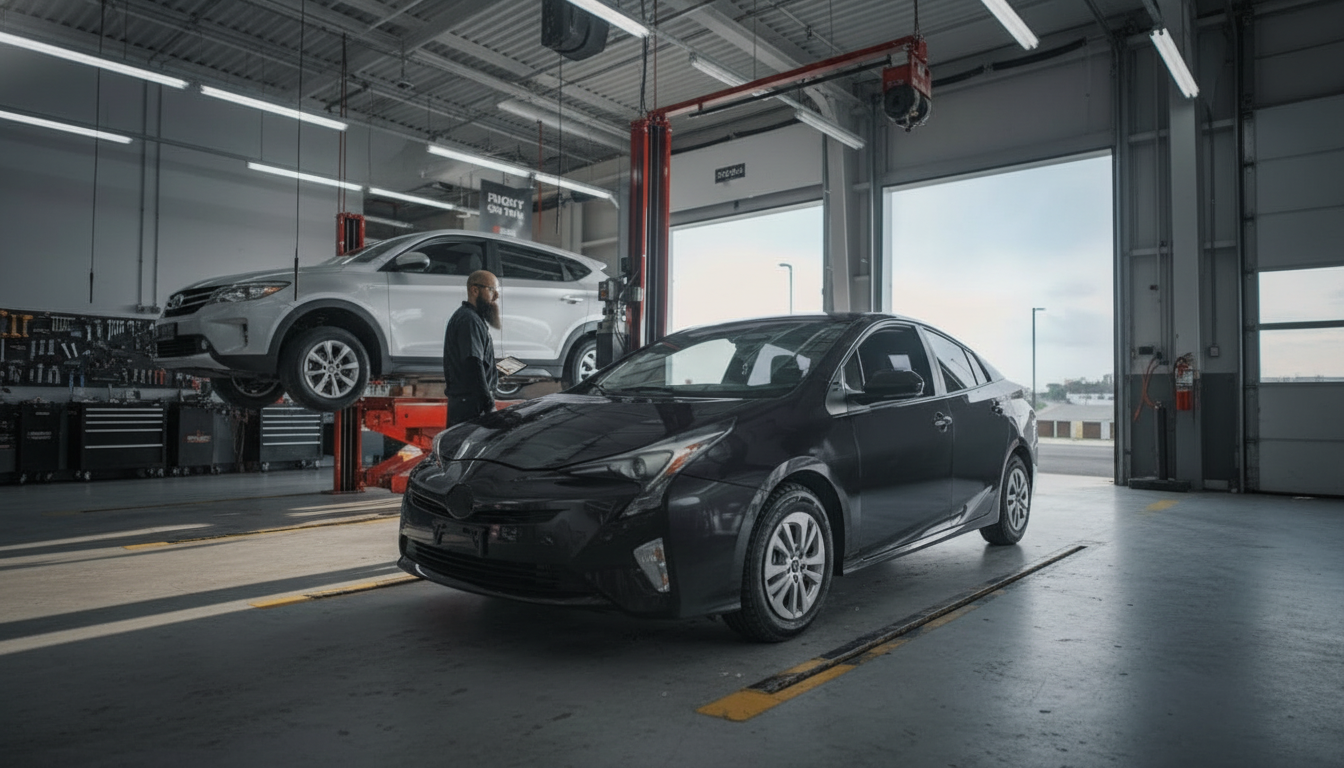
The Growing Appeal of Hybrid Vehicles
According to Novyny.live: More and more drivers are turning to hybrid cars, drawn by their strong build quality and fewer mechanical issues compared to conventional gasoline or diesel models. A critical factor when buying or owning one is assessing the battery's condition and capacity. Only qualified specialists should handle battery diagnostics, as this directly impacts the vehicle's dependability and lifespan.
According to available data, hybrids experience 15% fewer technical problems than cars with traditional fuel engines. This makes them an attractive option for buyers looking to cut down on repair and maintenance risks. The battery is the core component ensuring smooth operation in these vehicles. Batteries with a capacity rating of 85% or higher are considered fully healthy. At around 100,000 km (62,000 miles), battery capacity typically sits at 88%, dropping to 80% after 200,000 km (124,000 miles). These figures are essential when evaluating a car's technical condition.
Warranty and Maintenance Considerations
Factory warranties on hybrid cars usually last at least 8 years or 160,000 km (100,000 miles). This reflects manufacturers' confidence in their models' reliability and their commitment to long-term support. Purchasing a hybrid can be a smart investment, provided a thorough inspection of its technical state—especially the battery—is carried out.
When inspecting a hybrid vehicle, focus on these key areas:
- Battery condition, as it is critical to the entire system's functionality.
- Service history, including diagnostics and part replacements that affect performance.
- Potential 'red flags' like unusual noises, declining performance, or battery charging issues.
Hybrids continue to hold a significant share of the automotive market as consumers seek more efficient and eco-friendly transportation options. Growing emphasis on sustainability and reducing carbon emissions also pushes manufacturers to refine their technologies. In this context, proper diagnostics and maintenance of hybrid vehicles become even more vital to ensure their reliability and long-term usability.
Read also
- Windows That Generate Power Even at Night: A New Solar Innovation
- GE Aerospace’s Hybrid-Electric Aircraft Reaches 30,000 Feet in Key Test Flight
- Kyiv Officially Launches 5G: Coverage Areas and Speed Details Revealed
- World’s First Safety Certification Awarded to Swedish Wave Energy Converter Inspired by the Human Heart
- First U.S.-Ukraine Drone Agreement Signed: What It Means for Defense Cooperation
- OpenAI’s AI Agent Breaches Hugging Face in an Unprecedented Cybersecurity Incident