Civilian Casualties Reported as Russian Strikes Hit Kharkiv Region Again.

Ongoing Attacks in Kharkiv Oblast
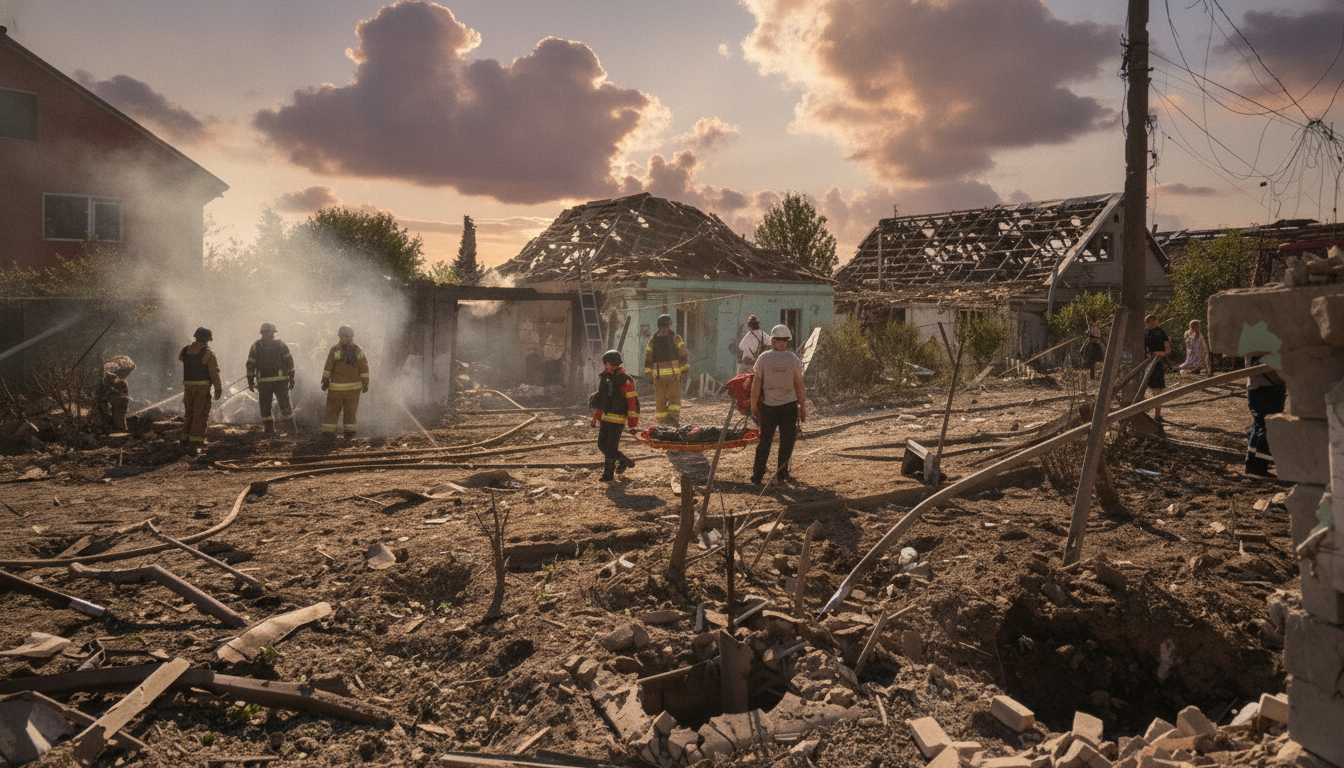
According to Novyny.live: Russian forces have once again shelled the Kharkiv region, resulting in deaths and injuries among the local population. Frontline assaults continue, endangering the lives of residents.
In the village of Shevchenkove Pershe, a 75-year-old man was killed by an FPV drone strike. Three people were injured in Pidlyman: two women aged 51 and 67, along with a 59-year-old man. Another 73-year-old man was wounded in Shevchenkove, and a 25-year-old woman suffered injuries in Pisochyn. In Bohodukhiv, two men aged 19 and 49 were hurt. Meanwhile, in Klynovo-Novoselivka, a man riding a bicycle was injured after stepping on an explosive device.
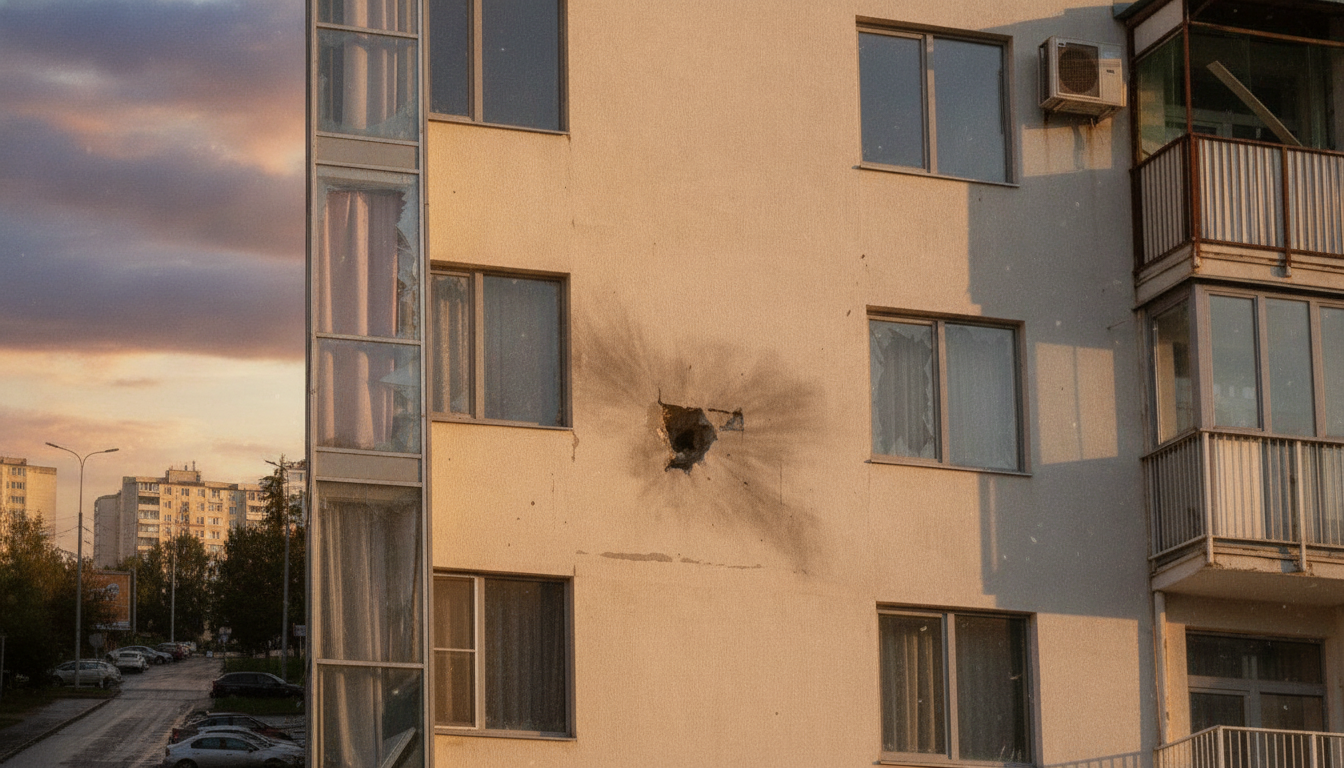
On June 21 and 22, FPV drones struck residential buildings in Kharkiv's Shevchenkivskyi district, though no injuries were reported in those incidents. Shelling was also recorded in the following locations:
- Zolochiv
- Tsapivka
- Novoselivka
- Prokopenkove
- Zavadskyi
- Velykyi Burluk
- Slatyno
- Podvirky
- Derhachi
- Tsyrkuny
- Berezhne
- Ukrainske
- Staryi Saltiv
Russian troops launched 10 guided aerial bombs, 13 Molniya drones, 18 FPV drones, and 36 other UAVs. Over the past day, 61 people passed through the transit evacuation point in Lozova, bringing the total number of evacuees to 41,483.
Heightened Tensions on the Frontline
On the Pivdenno-Slobozhanskyi axis, Russian forces attempted to breach Ukrainian defenses 13 times. Meanwhile, on the Kupiansk axis, occupiers launched eight assaults. The situation remains volatile, with local residents continuing to suffer the consequences of war.
This latest wave of violence in Kharkiv Oblast underscores the prolonged and intense nature of the conflict in the region. The rising number of attacks on civilian infrastructure and shelling incidents highlights the lack of progress in peace negotiations and the ongoing humanitarian crisis. Residents face constant danger, compelling them to take drastic measures—such as evacuation—to save their lives.
Read also
- Kyiv Under Night Attack: Warehouses Struck and School Damaged
- Oil Tanker Attack in the Strait of Hormuz: One Dead, Several Injured Including Ukrainian Nationals
- Drone Strikes Hit Oil Refineries in Bashkortostan and Krasnodar, Worsening Russia’s Fuel Shortage
- Massive Russian Strikes Hit Dnipropetrovsk Region: One Dead, Nine Wounded on July 13
- Three Injured in Russian Strike on Poltava Region’s Myrhorod District
- Seven wounded, including a child, in Russian strike on Zaporizhzhia