Ukrainian Drones Paralyzed Russia's Oil Industry: What Blow They Dealt to Putin.

Blow to the Russian Oil and Gas Empire: Ukraine's New Strategy
According to The Sun: The capabilities of the Russian oil sector are under threat, and this is aided by strikes from Ukrainian drones.
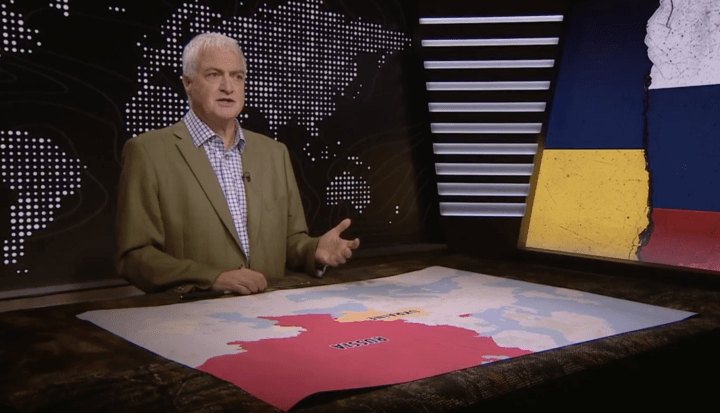
In the latest episode of the program 'Exposing Combat Plans', military intelligence expert Philip Ingram MBE discusses how Kyiv opened a new devastating front line in the war — at oil fields, refineries, and pipelines that finance Putin's invasion.
In the program 'Exposing Combat Plans', Philip Ingram analyzes the strike of Ukrainian drones on Russian refineries. East2West Smoke emerges from a Russian refinery after the strike by Ukrainian drones.
 Getty
Getty
'This is an oil war,' claims Ingram.
'It is a strategic campaign aimed at undermining the engine of Putin's war.'
For decades, Russia's vast energy reserves have financed everything from tanks and cruise missiles to soldiers' salaries and propaganda expenses.
Before the invasion, energy exports accounted for about 40 percent of the Kremlin's budget.
Even under sanctions, oil and gas bring in 30 percent of Russia's revenue.
The latest strikes by Ukraine are targeted at this 'river of oil and gas money', delivering precise blows hundreds of miles beyond their territory.
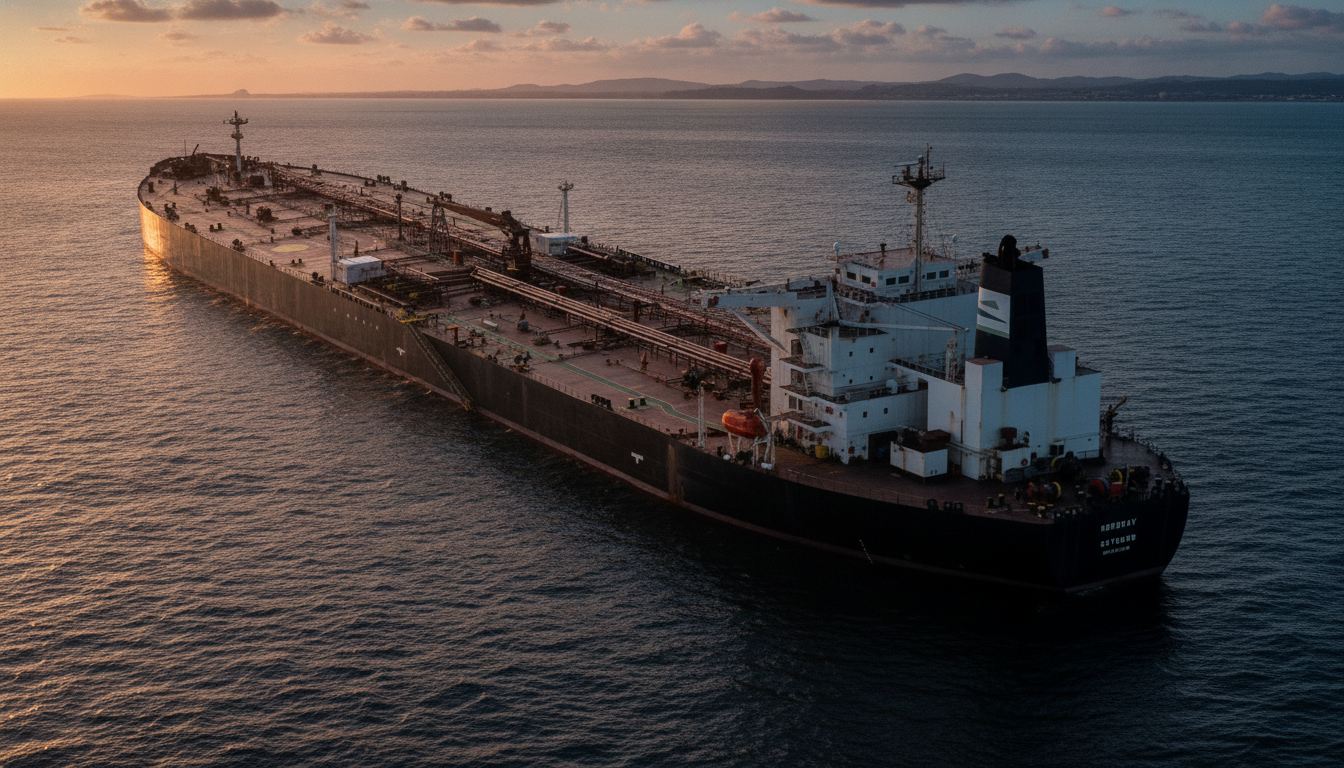
Long-range drones have set ablaze major refineries, destroyed pumping stations, and ignited oil storage warehouses, gradually dismantling Russia's refining capabilities.
Footage of the explosion at the Rosneft refinery in Ryazan demonstrated the scale of the destruction.
'This is not a military base on the border,' warns Ingram.
'This is a key part of Russia's national infrastructure — hundreds of miles away from Ukraine.'
Ukraine's successes in this area deal a double blow to the Russian army: without diesel fuel, tanks cannot move, and the absence of aviation fuel leads to grounding planes.
Getty
This also negatively impacts ordinary Russians — due to fuel shortages, rising prices, and challenges associated with the visible burning of their industrial infrastructure.
The Kremlin responds with denial, camouflage, and panic.
Russia has been forced to ban fuel exports for six months, sacrificing critical revenue to avoid chaos at home.
'Putin's biggest fear,' notes Ingram, 'is a coup by the Russian people.'
Now Ukrainian drones are inflicting billion-dollar losses on the Kremlin, highlighting its vulnerabilities.
This campaign has shown that in modern war, the most effective strategies are not always related to direct combat actions, but may involve identifying enemy weaknesses and ruthlessly striking them.
At the same time, Ukraine reports changes in the east thanks to a brutal counterattack.
General Oleksandr Syrskiy noted that his troops reclaimed about 60 square miles since August, while Russian units have retreated from 70 square miles north of the affected Pokrovsk.
He boasted that Russian forces sustained heavy losses — 1,500 killed and a thousand wounded, as well as 12 main battle tanks destroyed.
'Control has been restored in seven settlements, and another nine have been cleared of enemy groups,' said Syrskiy, emphasizing that nearly 165 square kilometers have been freed.
This comes after Russian 'saboteurs' broke through Ukrainian lines by six miles in the summer, threatening supply routes.
However, Ukraine has reorganized and is now actively pressing the enemy, stating: 'Over the last 24 hours, the enemy has lost 65 servicemen, of which 43 were killed,' along with 11 units of equipment.
Surviving fragments of destroyed weaponry from tanks to artillery, drones, and even ATVs used by Russian military.
Widespread fighting continues against the backdrop of Volodymyr Zelensky's arrival to meet Donald Trump at the UN General Assembly in New York.
Zelensky intends to push for tougher sanctions if Putin does not agree to negotiations.
 AP
AP
Trump, who previously called Putin a 'genius,' acknowledged that the dictator 'disappointed him.'
'I thought this war would be one of the easiest to resolve due to my connections with Putin. But he truly disappointed me,' he said during his visit to the UK.
However, head of British intelligence Sir Richard Moore is not confident in the possibility of a quick peace.
He warned the world not to trust Kremlin's public statements: 'We should not believe him or consider him strong when he is not.'
Moore praised Ukraine's resistance and expressed admiration for Zelensky, while criticizing Putin for plunging Russia into 'long-term decline.'
He also pointed out the impotence of Putin's peace plans amid increasing losses for the Russian army.
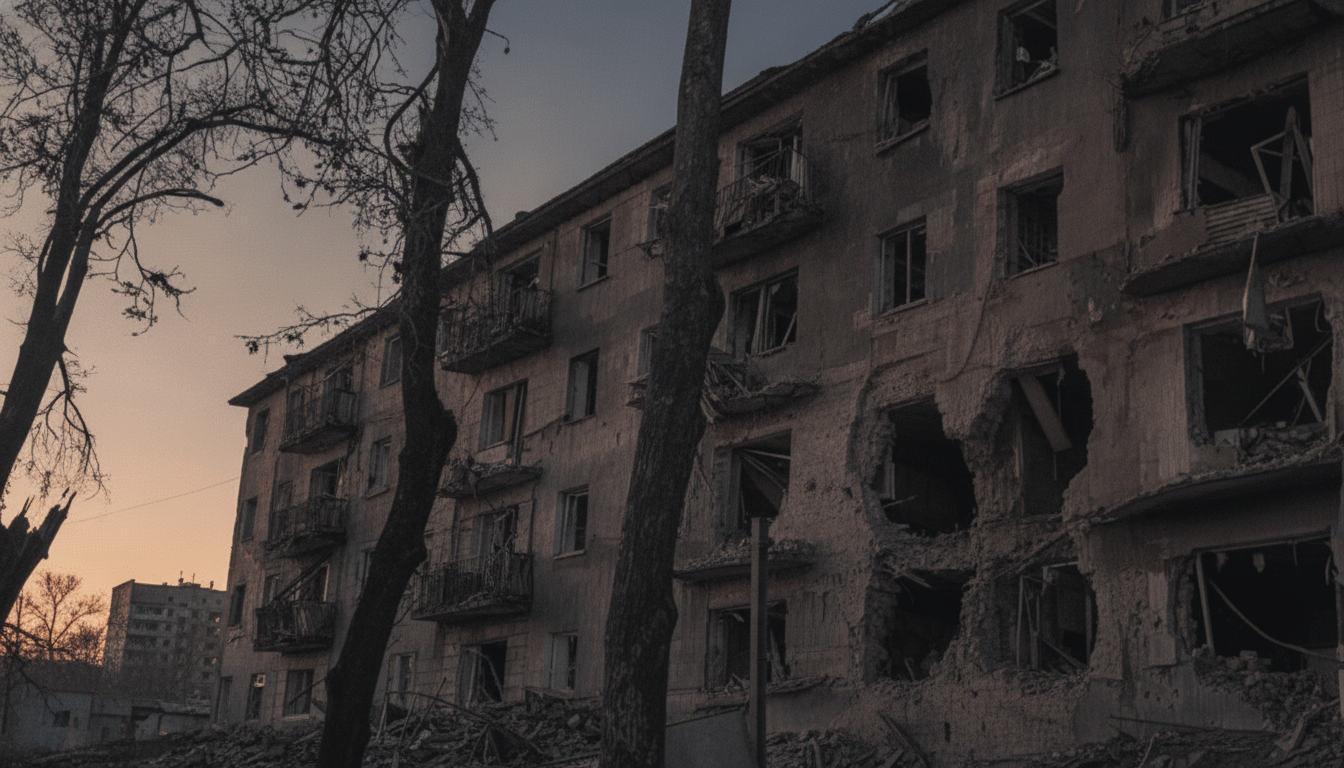
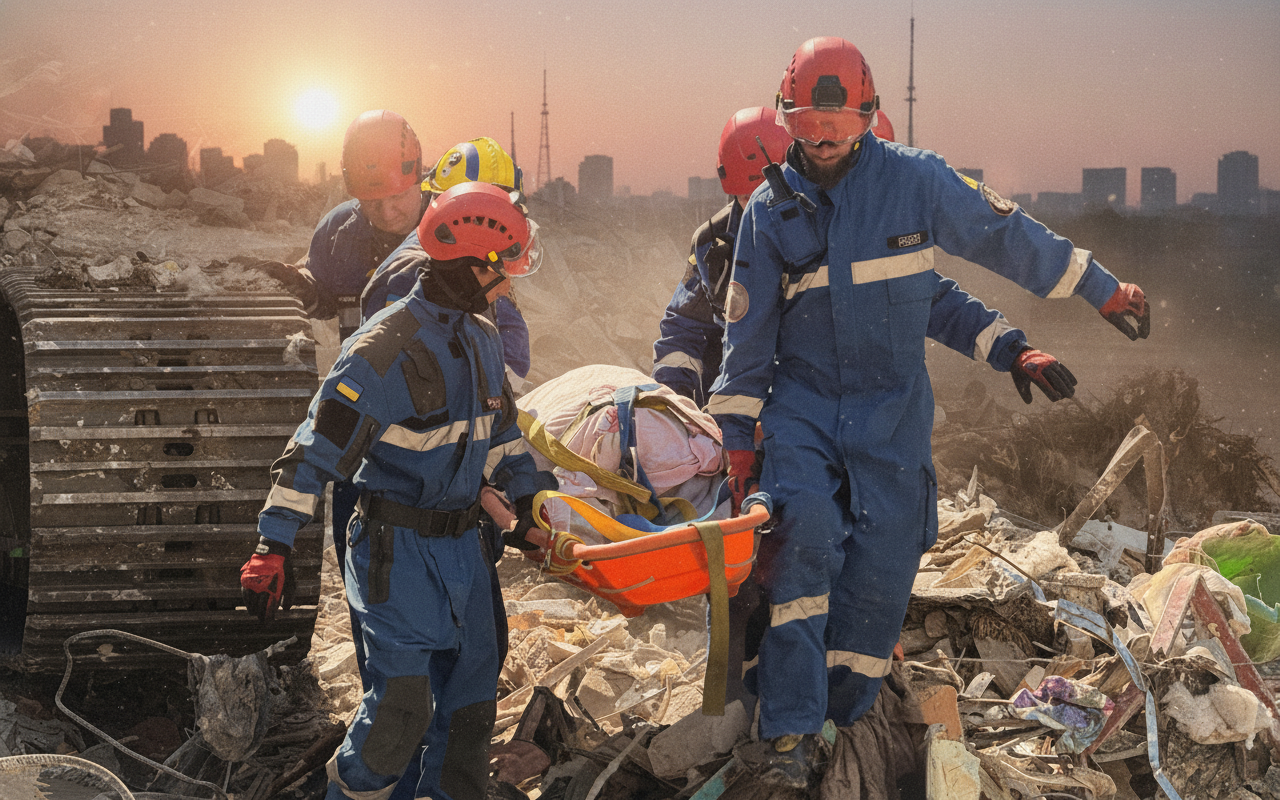
New strikes in response from Ukraine continue on the front, while in the last month, the Kremlin has harmed civilians in Zaporizhzhia, where three people were killed.
 AP
Getty
AP
Getty
This situation indicates that the war in Ukraine continues to remain active, with new strikes from both sides. Against this backdrop, there is a rise in tensions and discussions on the scale of sanctions against Russia, which may further escalate the conflict. Deciphering the political and military strategies of both sides will be key to predicting the further development of events on the front.
At the same time, the international community is closely monitoring the consequences of the armed conflict, which has the potential to influence global politics and the economy, including through energy issues arising from Ukrainian attacks on Russian energy facilities.
Read also
- Russia Deploys Shadow Fleet to Launch Drones Over Europe, Targeting NATO Sites for Reconnaissance
- July 3rd Strike on Sumy: Four Dead Including a Child, 20 Wounded
- Sharp Rise in Civilian Casualties in Ukraine Documented by UN: A Closer Look at the Numbers
- Russia’s Black Sea Fleet Loses the Upper Hand: What Ukraine’s Strikes Have Changed
- Satellite Imagery Reveals Anti-Drone Cages Installed on Russian Submarines in Novorossiysk
- Seven Aircraft Destroyed in Strike on Saky Airfield, Ukraine Intensifies Crimea Campaign