Real Estate Investors Shift Focus to Kyiv’s Suburbs as Market Strategy Evolves.

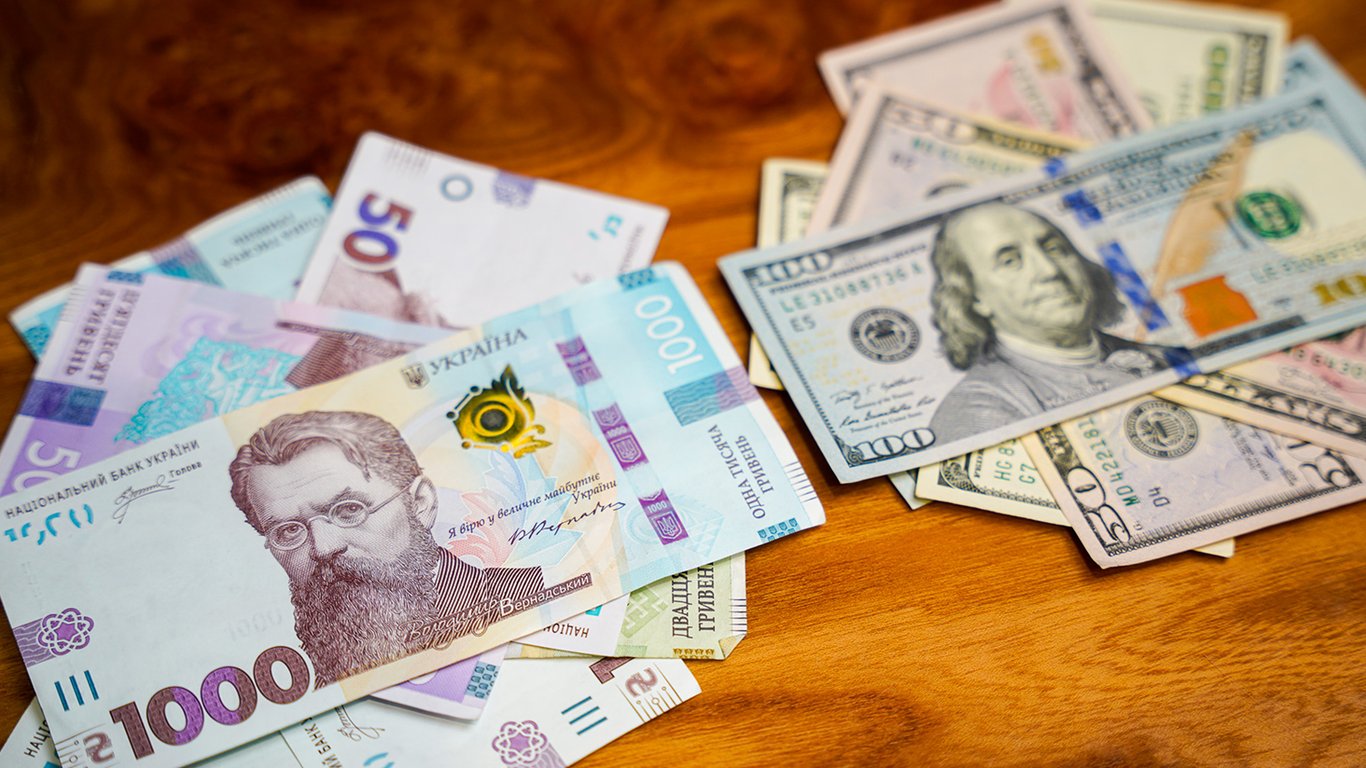
Ukraine’s Rental Market Under the Microscope
According to Novyny.live: Investors in Ukraine’s real estate market are adjusting their approach, with a growing emphasis on the outskirts of Kyiv. According to expert Victoria Bereshchak, success in 2026 will favor those who can accurately assess liquidity. This means that investors must look beyond just square footage and focus on the efficiency of their capital deployment.
Currently, $50,000 is not enough to purchase a property that is 15 to 20 years old. However, Bereshchak points out that there are still viable opportunities for investing in liquid assets in Kyiv’s suburbs, particularly in new developments. She notes that these are likely to be small-scale complexes consisting of just a few buildings, equipped with solid infrastructure but without excessive density. As she puts it,
“These won’t be cities within cities.”
Investment Models and Tax Implications
Given the shifting market landscape, it is also important to consider different investment formats. Bereshchak recommends a rental strategy that includes daily or medium-term leasing. This approach could offer a profitable alternative for investors looking to maximize returns.
It is worth noting that when purchasing a newly built home, investors must pay 1% of the property’s value into the Pension Fund. Additionally, total tax charges can reach 23% of the property’s appraised value—a critical factor in investment planning. The administrative fee for registering ownership is 330 UAH, while expedited processing (within 2 hours) costs 16,640 UAH. Notary fees start between 8,000 and 12,000 UAH.
As a result, anyone planning to invest in real estate near Kyiv must take all these factors into account to make informed decisions and build a successful investment strategy in a changing market.
The ongoing shifts in Ukraine’s rental market highlight the need for investors to adapt to new conditions and trends. Investing in Kyiv’s suburbs—especially in new developments—could be a promising direction, but it is essential to weigh the financial costs and tax obligations. Doing so will help investors not only preserve but also grow their capital in a dynamic real estate environment.
Read also
- Economist identifies Russia's point of no return: why it can never reclaim its place among global economic leaders
- Deadly Fuel Lines in Russia as Authorities Divert Gasoline to Moscow Amid Shortage
- Fuel Crisis Hits Russia: Military Gets Only 30% of Needed Supply After Ukrainian Strikes
- Russia Sets Record in Gold Sell-Off: What It Signals for the Economy
- Putin’s Economic Claims Exposed as Manipulation by Ukraine’s Disinformation Center
- Rheinmetall to Double Gunpowder Output: What This Means for Ukraine