Iran Braces for Protracted Standoff with the U.S., Raising Stakes for Regional War.

U.S.-Iran Tensions Escalate
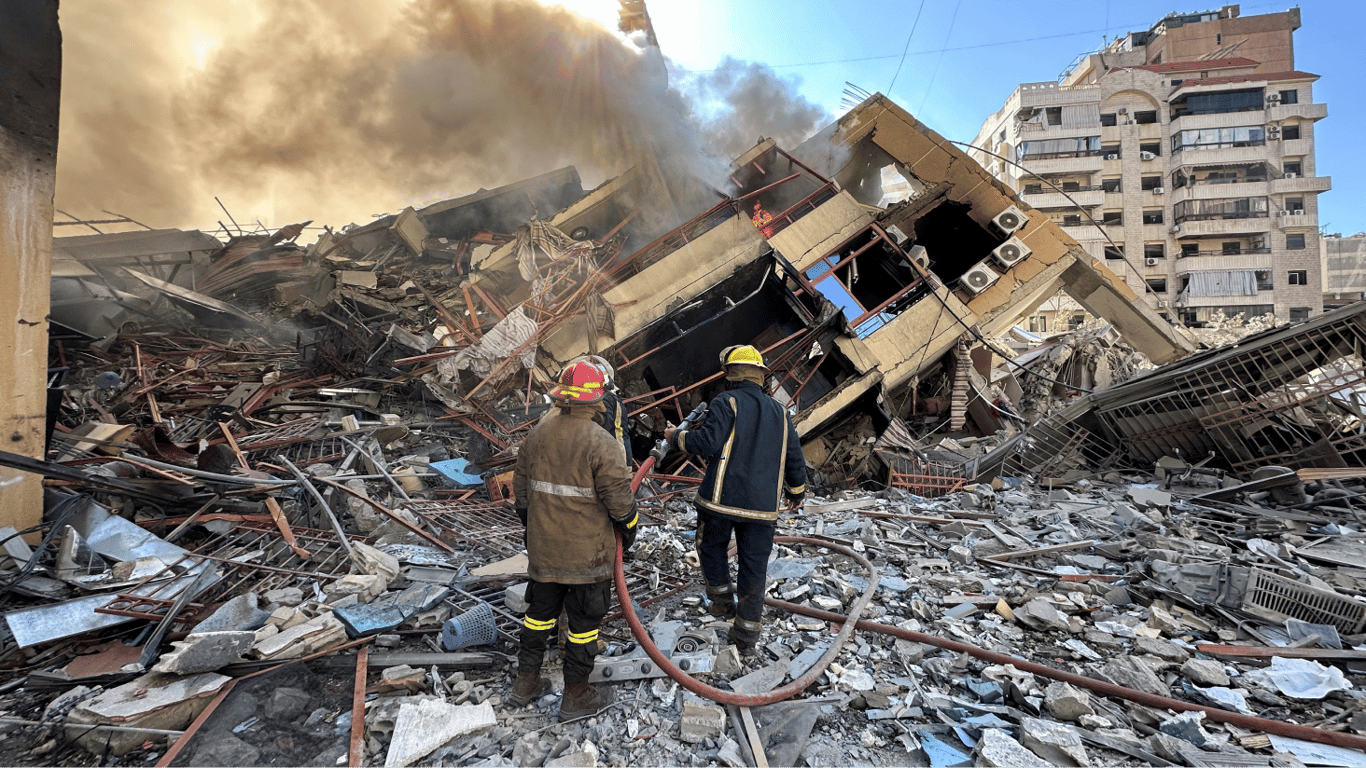
According to Novyny.live: Iran is preparing for a prolonged confrontation with the United States and has not ruled out launching further strikes against nations in the Persian Gulf. Kamal Kharrazi, a foreign policy advisor to Iran's Supreme Leader's office, stated that ending the war would only be possible through the application of severe economic pressure on his country. He further emphasized that Iran is currently not considering any diplomatic avenues to resolve the conflict.
"I no longer see a place for diplomacy," Kharrazi noted, underscoring that the situation demands alternative approaches.
International Response and Consequences
The international situation remains tense. Donald Trump has demanded Iran's complete capitulation, signaling a lack of compromise from the U.S. side. Concurrently, Emmanuel Macron announced that France is initiating an operation in the Middle East, which could influence the course of events in the region.
Iran's position appears unyielding. Judging by statements from Iranian officials, the country intends to persist with its current course. Commenting on U.S. demands, Masoud Pezeshkian remarked:
"That is a dream they should take with them to the grave."This comment highlights Iran's determination to defend its interests despite mounting international pressure.
Thus, the conflict between Iran and the U.S. continues to intensify, and the subsequent actions of both sides could significantly impact the regional situation. Iran is evidently ready for a long-term standoff, leaving no room for diplomatic solutions.
An escalation of the U.S.-Iran conflict could have serious repercussions not only for regional nations but also for global security. The absence of diplomatic dialogue and rising tensions may lead to new military escalations, affecting energy markets and international relations. This standoff occurs against a backdrop of shifting alliances in the Middle East, where major powers are increasingly asserting their influence. As key states like France activate their regional presence, it is crucial to monitor the statements and actions of the conflict's participants, which could alter the balance of power in the Middle East.
Read also
- Why Russia Sees Turkey as a Viable Negotiation Hub: Three Key Reasons
- Trump Alleges Leak of 220 Million U.S. Voter Records, Demands Investigation
- Trump Declares Victory Over Iran as New Strikes Hit the Strait of Hormuz, Resuming War
- Over 60 U.S. Senators Back New Russia Sanctions: What's at Stake
- Turkey Emerges as Potential Venue for Zelenskyy-Putin Talks as Ukraine Signals Readiness for Ceasefire
- Trump to Receive Late Senator Graham’s Bill on Russian Oil Tariffs