Who Bears Responsibility for the Consequences of Historical Crimes in Ukraine, Poland, and Germany?.


The Moral and Political Dimensions of Historical Atrocities
According to Espreso.tv: This piece delves into the ethical and political implications of past atrocities committed in Ukraine, Poland, and Germany, stressing the critical need to acknowledge accountability for their lasting effects. Serhiy Herasymchuk, director of the Regional Initiatives and Neighborhood Program at the Ukrainian Prism Center, highlights the importance of examining the deep-seated traumas that continue to linger in the collective memory of these nations.
Enduring Historical Wounds and Their Legacy
Events such as the Volyn tragedy and the Jedwabne massacre are cited as stark examples of historical trauma. These incidents inflicted profound scars on the shared consciousness of Ukrainians and Poles, demanding careful reflection and comprehension. Grasping these historical contexts is essential for understanding the current dynamics between these countries and their national communities.
Auschwitz is also referenced as a symbol of German crimes. This emblem of the Holocaust and mass murder underscores the immense scale of human suffering that occurred in the past. Recognizing these facts is crucial, as they shape not only historical memory but also ongoing political debates.
Amid the modern challenges confronting Ukraine, Poland, and Germany, a clear understanding of responsibility for past wrongs is vital for fostering peaceful coexistence. It is imperative that societies in this part of Europe not only acknowledge historical mistakes but also actively pursue reconciliation, thereby helping to prevent the recurrence of such tragedies.
Comprehending historical crimes and their aftermath is key to building healthy interethnic relations in Central and Eastern Europe. Acknowledging shared wounds and a willingness to engage in dialogue can form the foundation for deeper cooperation among Ukraine, Poland, and Germany. This, in turn, may bolster regional stability, as confronting the past is a cornerstone for a peaceful future.
Read also
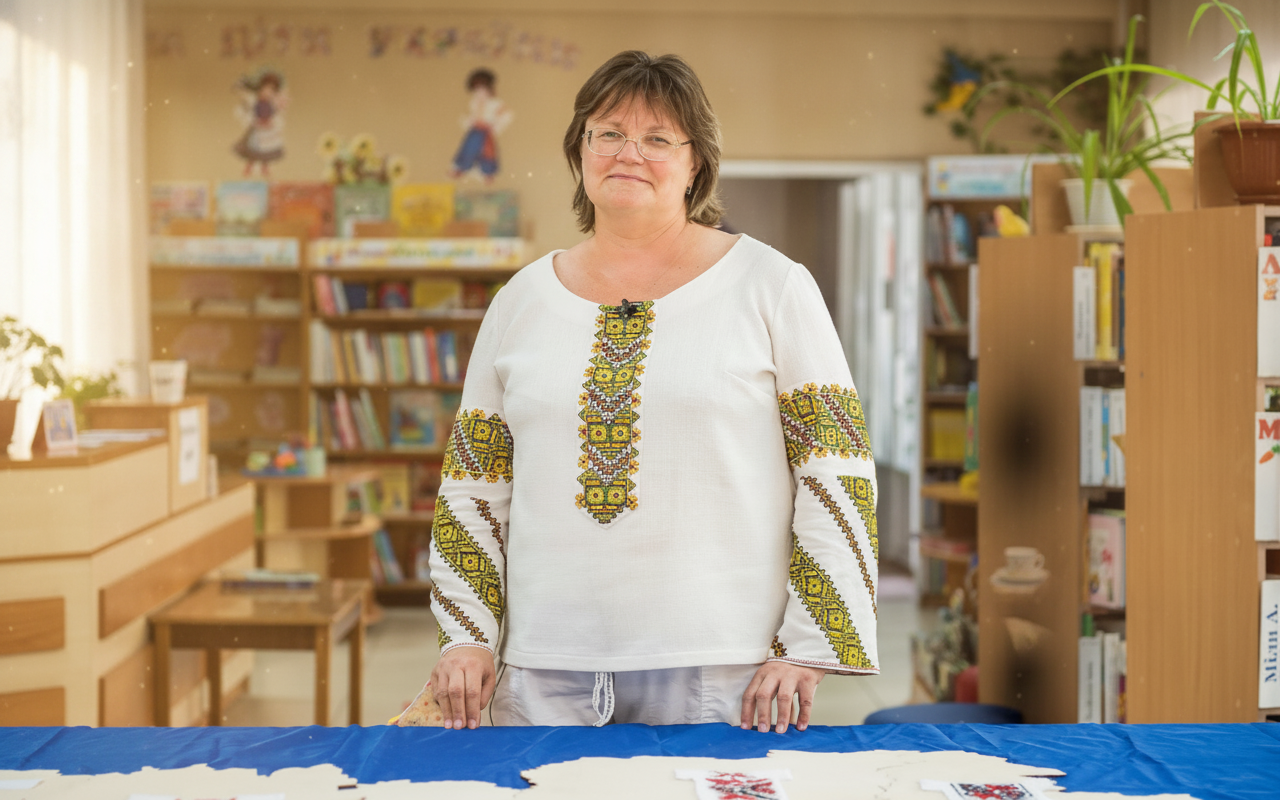
- War Transformed Her Life: Donetsk Teacher Creates Ukraine’s Largest Embroidered Shirt
- Kids Pick a Backpack in Seconds: What School Bags Must Offer in 2026
- Why Displaced Residents of Mariupol Face Barriers to Housing Compensation
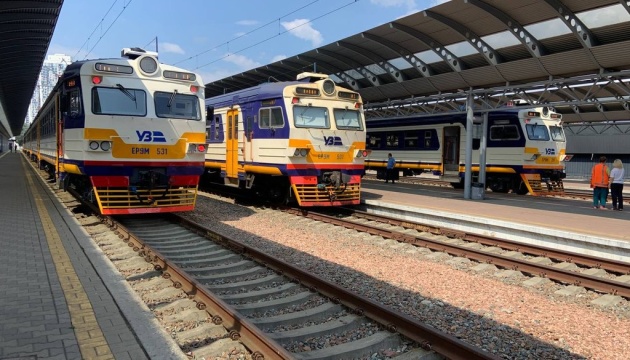
- Kyiv Electric Train Prices Increase from July 22: Fare Will Rise to 37 Hryvnias
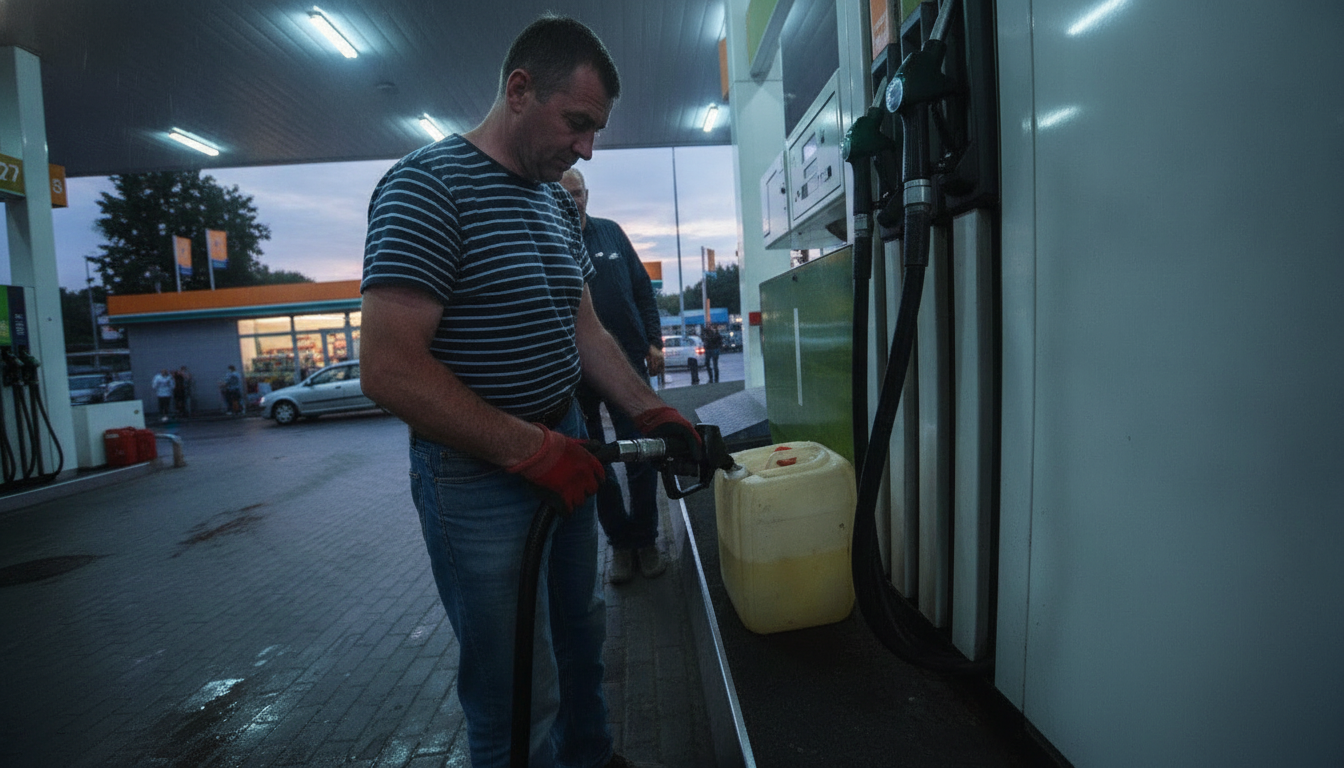
- Russia Fines Residents for Storing Gasoline in Garages Amid Fuel Shortages
- Why Internally Displaced People in Ukraine Can't Get Mortgages: A Key Obstacle Identified