EU's Kaja Kallas: Pressure for Negotiations Must Target Russia, Not Ukraine.

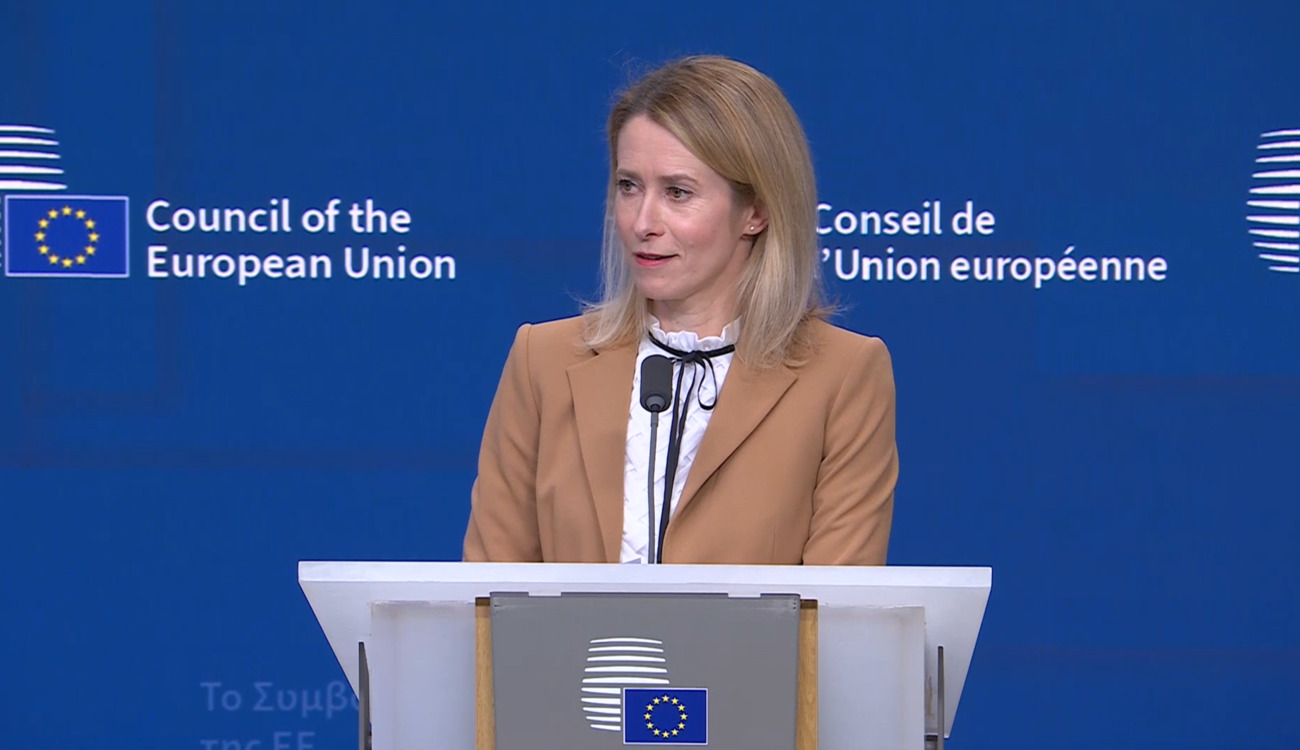
Kaja Kallas's Remarks on Russia
According to UATV: Kaja Kallas, the European Union's High Representative for Foreign Affairs, has stated that pressure must be applied to Russia to secure concessions in negotiations, stressing that such pressure should not be directed at Ukraine. She emphasized the need for intensified action to push Russia from merely pretending to negotiate to engaging in genuine talks. This stance reflects the EU's firm position that Russia bears sole responsibility for the war of aggression it launched.
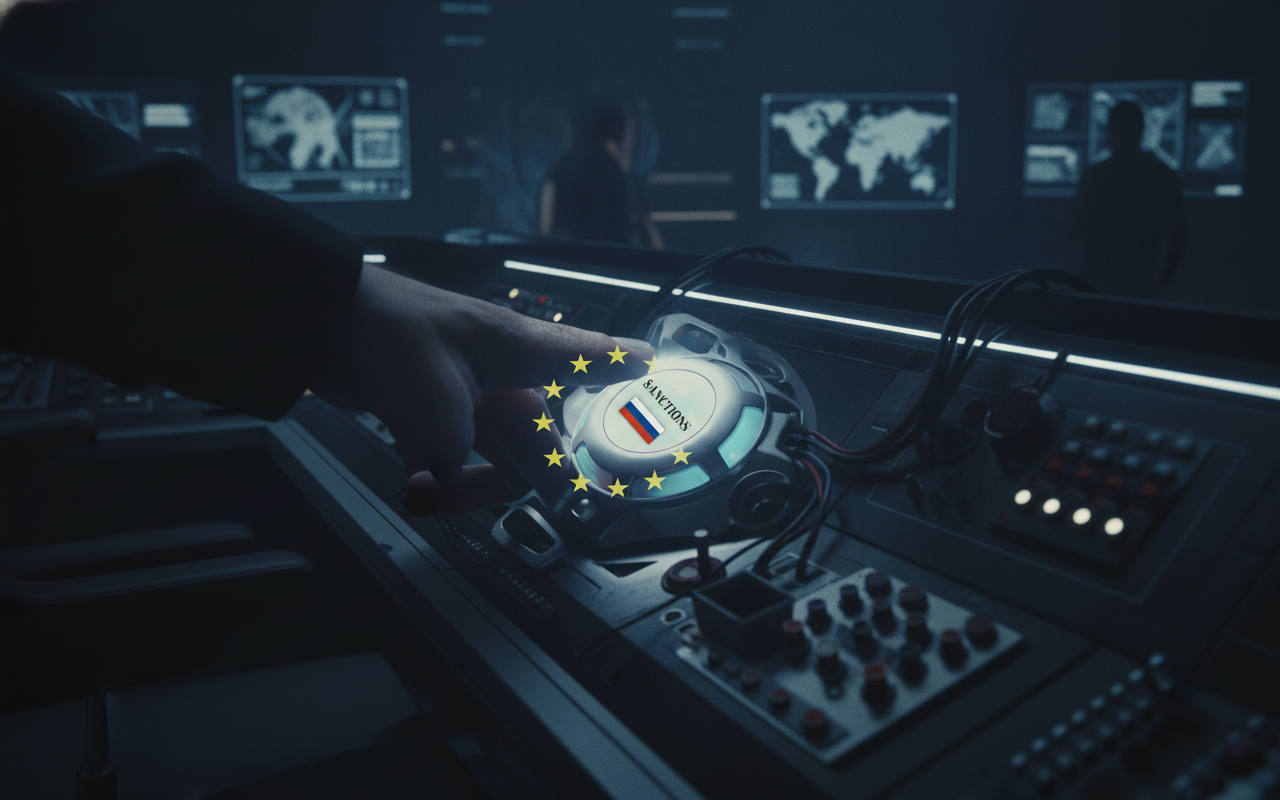
During a meeting of EU foreign ministers on February 23, 2023, while discussing the 20th sanctions package against Russia, Kallas noted:
“Russia started this war, Russia is the problem. Therefore, we need to put pressure on Russia to make concessions.” - Kaja Kallas
This comment underscores her position on Russia's accountability for the war and the necessity for proactive measures from the European Union.
Kallas also shared her personal experience, stating:
“I have sat at the same table with Lavrov at various international forums.” - Kaja Kallas
This indicates her high-level negotiation experience and understanding of the situation's complexity. She stressed that the EU has clearly communicated its intent to increase pressure on Russia with the goal of 'moving from them pretending to negotiate to real negotiations.'
The EU's Strategy Towards Russia
Consequently, Kaja Kallas's position reflects the EU's strategic approach to relations with Russia, which focuses on pressuring the aggressor to achieve progress in peace talks, while shielding Ukraine from such pressure. This approach aims to counter Moscow's narrative and prevent the burden of concessions from falling on the victim.
Kallas's statements demonstrate the EU's clear stance on the Ukraine-Russia situation, centered on the necessity of active measures to reach a peaceful resolution. Continued pressure on Moscow could influence future negotiations, but it is also crucial to consider how these actions will be perceived in Ukraine and on the international stage. Given the complexity of the situation, the EU's position may prove pivotal in shaping further steps toward regional stabilization.
Read also
- Zelensky and Top Military Command Outline Response Plan to Russian Strikes
- EU's New Sanctions Package Targets Crypto Platforms Used to Bypass Restrictions
- New directives for Ukraine's National Security and Defense Council: Zelenskyy assigns tasks to Umerov and Klymenko
- Ukraine Extradites Former Lawmaker Demchak in Major Push to Bring Back Suspects
- EU Adopts 21st Sanctions Package Against Russia: What the New Restrictions Target
- Lithuania Accuses EU Nations of Undermining Sanctions for Their Own Economic Gain