Main News










Advertising



Advertising




Ukraine’s 2,000-Hryvnia Note Featuring Poet Vasyl Stus Delayed Over Font Ethics—New Launch Date Set
New Banknote Launch Ukraine’s central bank will introduce a 2,000-hryvnia banknote honoring poet, human rights activist, and Soviet-era dissident Vasyl Stus starting September 4, 2026. The decision followed a professional debate over the denomination’s calligraphy. National Bank of Ukraine Governor ...
yesterday, 17:12
430

Kyiv Greenlit to Use EU Loan Funds for Chinese Drone Parts Despite Restrictions
yesterday, 13:18
458
Horoscope
LIFESTYLE
Tourism







Tech




Activist Serhiy Sternenko Steps Down as Advisor to Ukraine’s Defense Minister
yesterday, 23:42
409
Turning Steam Games Into Retro Cartridges: One Gamer’s DIY System Explained
yesterday, 20:48
442
Society




How Adaptive CrossFit Helps a 3rd Brigade Veteran Master His Prosthetic
yesterday, 19:12
410
Showbiz




Sports




Gibraltar Lifts Border with Spain: What Changes on July 15
yesterday, 13:54
406

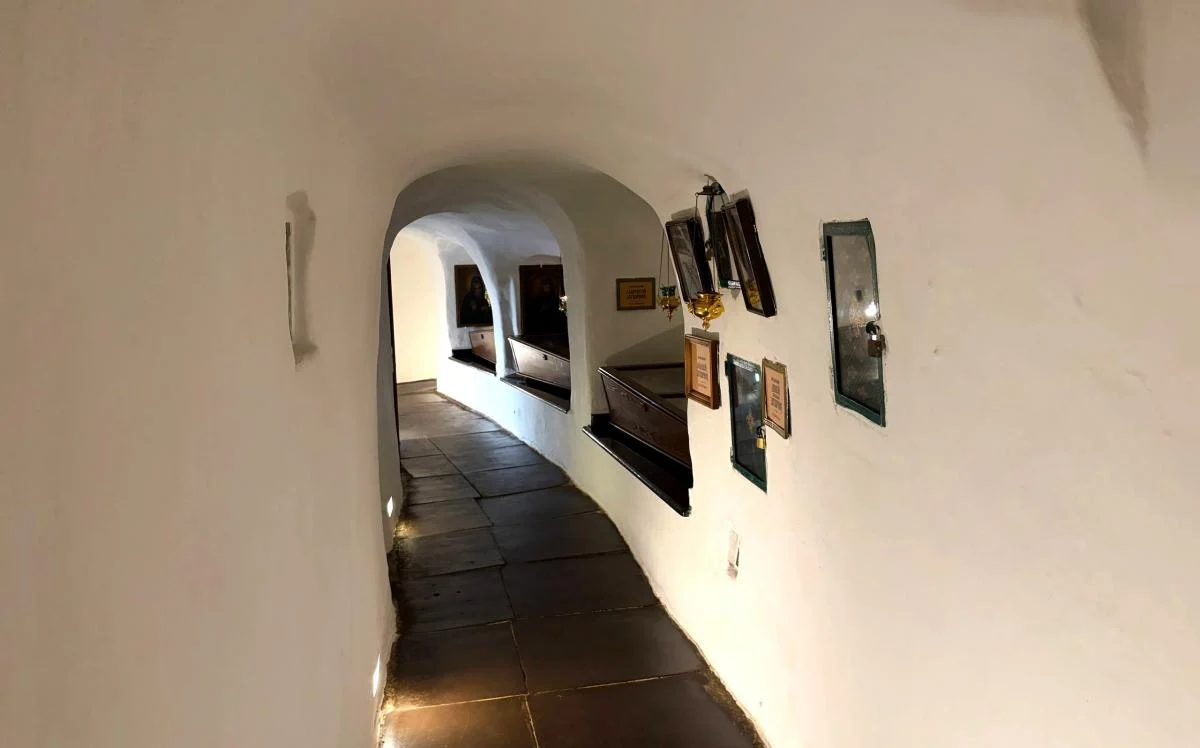
Kyiv Pechersk Lavra Unveils Far Caves and Consecrates a Marker Honoring Mazepa
yesterday, 02:06
452