









Advertising

Advertising
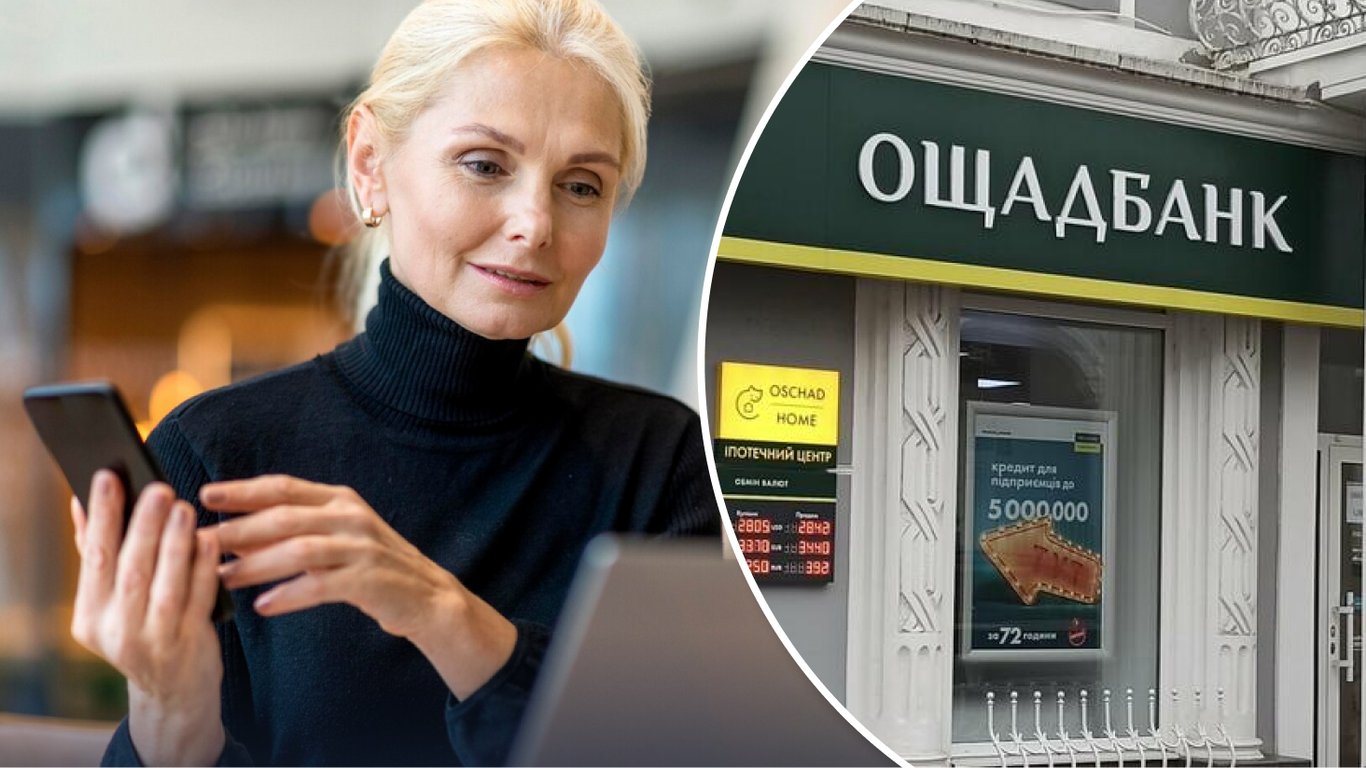
Three New Features Added to Oschadbank's Mobile App Update
today, 07:24
192


Financial Monitoring in Ukraine: Which Transactions Will Trigger a Card Freeze and Mandatory Review
Understanding Ukraine’s Financial Monitoring Rules Banks in Ukraine are legally required to monitor client transactions under current financial monitoring regulations. This means certain money transfers and operations can lead to frozen cards or accounts, as well as additional scrutiny. These rules ...
today, 06:12
268

Gasoline Hits 100 Rubles Per Liter in Russia After Refinery Strikes
today, 03:24
334
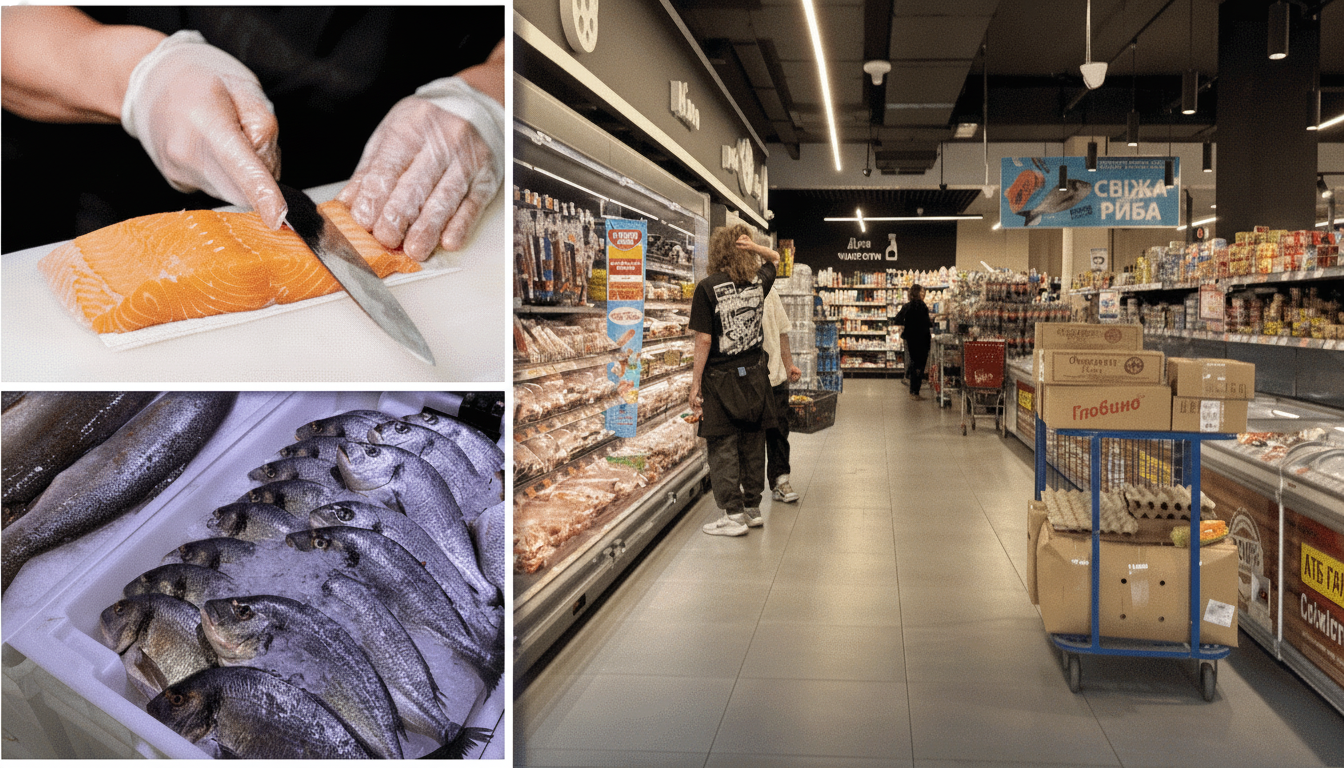
Fish Prices in Ukraine Set to Surge as Anchovy Supply Drops Sharply
today, 02:42
352
Horoscope
LIFESTYLE


Tourism




Easy Zucchini Pancakes: The Perfect Meal for Breakfast or Dinner
today, 06:24
243
Why You Should Avoid Washing Your Car During the Day in Summer Heat
today, 06:06
266

Tech



5 Best TVs for GTA 6: Top Models for the Ultimate Gaming Experience
today, 05:36
283

Best Budget Wi-Fi Routers Under $60: Top Picks for 2025
yesterday, 17:54
374
Society


Showbiz



The ’90s Are Back: The Biggest Hairstyle Trend Set to Dominate 2026
today, 05:00
293

Eurovision 2027 Will Mark Canada’s Historic Debut in the Song Contest
yesterday, 20:12
398
Village People Lead Singer and Co-Writer of 'Y.M.C.A.' Dies at 74
yesterday, 19:24
393
Sports



England Squad Declares Its Penalty Takers the Best Ever
today, 04:48
292



Scenic Railway from Skagway to Yukon Launches Its Summer Season
yesterday, 16:48
349