A Record Set by Kyiv Metro During a Bombardment: How the Underground Operates in Wartime.


The Metro as a Bomb Shelter in Wartime
According to Espreso.tv: When the full-scale invasion began, Kyiv's subway system served as a refuge for residents of the capital. According to Oksana Nykyforuk, a spokesperson for the metro, people lived on station platforms for up to six weeks, making the network a critical part of civilian safety during active hostilities.
To keep the metro running smoothly under wartime conditions, around 700 specialists work overnight on infrastructure maintenance. These nightly repairs are essential for ensuring safe train operations. Nykyforuk explained:
“That is why it is absolutely vital for us to carry out the work at night that determines the safety of train traffic.” - Oksana Nykyforuk
Critical Moments and the Metro's Importance
One of the most critical moments occurred on June 2, when Kyiv's metro stations took in a record number of people during a massive Russian attack. This event underscores the subway's dual role—not just as a means of transport, but also as a place to seek shelter from danger. As a result, the capital's metro continues to play a key role in keeping Kyiv residents safe and mobile during the war.
This case highlights not only the functionality of the metro as a transit system but also its vital function in emergencies, when finding cover becomes a matter of life and death. With the conflict ongoing, the importance of infrastructure like the metro is growing, and its wartime operations are becoming even more crucial for sustaining the city's daily life.
Read also
- Activist Warns of Risks to National Military Cemetery Project
- Andriy Melnyk and His Wife Reinterred at Military Cemetery: Key Details of the Ceremony
- Colonial Myth or Historical Reality: Why We Should Rethink the Idea That We Were a Colony
- Postpone Monuments Until War Ends, Focus on Saving Ukrainian Lives, Urges Journalist Portnikov
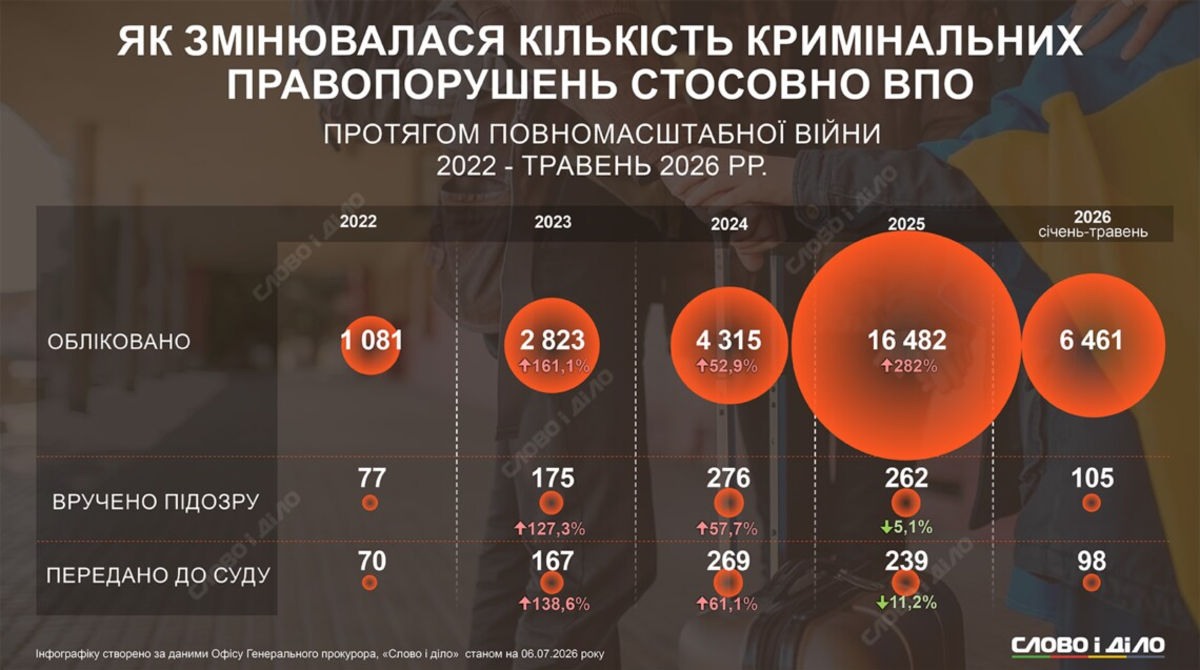
- Crimes Against Displaced People Surge 282%: 2025 Offenses Reach 16,482
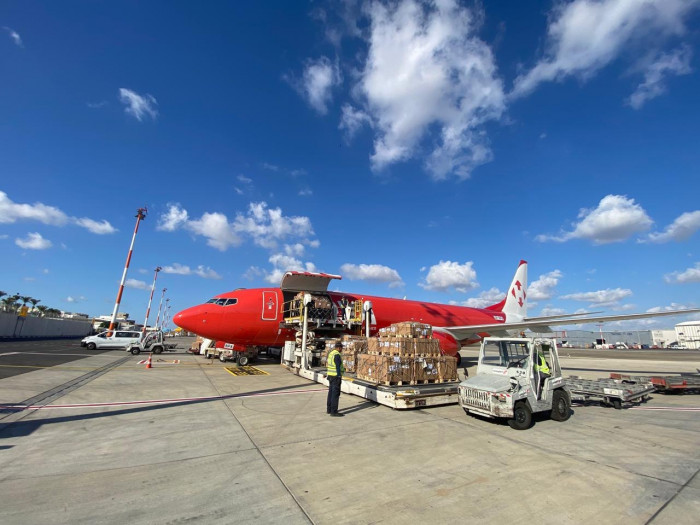
- Ukraine Aims to Become a Logistics Hub: What This Means for Air Freight