Extreme Heat Wave Cripples European Transport: Damaged Highways and Halted Trains Hit Multiple Cities.

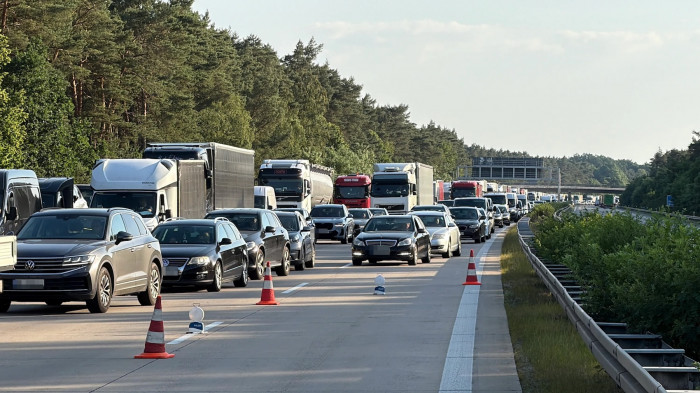
Record-Breaking Heat Wave Sweeps Across Europe
According to ЦТС — Транспорт: Europe is grappling with an intense heat wave now in its second consecutive week, severely disrupting transportation networks. Tram systems in Leipzig, Nuremberg, Lviv, and Vinnytsia have been plagued by overheating issues, while numerous railway services in Poland, the United Kingdom, and the Netherlands have been canceled. In Germany, highway surfaces have buckled under the extreme temperatures, creating hazardous driving conditions. This heat wave, with daytime highs reaching 41°C and nighttime lows of 26–29°C, has exposed the vulnerability of modern infrastructure to climate extremes.
On June 27, trams in Leipzig ground to a halt as the bitumen on tracks softened in the heat. The city's tram network, which spans 140 kilometers and operates 300 active vehicles, experienced what operators at LVB described as trams 'kneading bitumen'—a clear sign of severe technical distress. This incident highlights how even well-maintained systems can fail under prolonged thermal stress.
Rail Chaos and Road Disruptions
Rail services have also been thrown into disarray. On June 29, Polish operator PKP Intercity canceled 21 passenger trains, while the UK had already reduced its rail schedules by June 22. Germany's Deutsche Bahn allowed ticket refunds for journeys up to June 30, signaling widespread passenger inconvenience. Across Germany, 11 autobahns have reported damage or traffic restrictions, further compounding travel woes.
These disruptions have led to additional measures: from June 29 to 30, between 12:00 and 20:00, heavy goods vehicles were barred from entering Romania. In Kyiv, restrictions on heavy truck traffic during heat waves have been in place since 2012, serving as a precedent for climate-adaptive policies. The ongoing heat wave underscores the fragility of transport infrastructure and its ripple effects on mobility and logistics.
As temperatures remain stubbornly high, the situation continues to evolve, with authorities monitoring conditions closely. The extreme weather has dealt a significant blow to transport systems, causing widespread cancellations, delays, and restrictions that hamper both passenger and freight movement.
This crisis highlights how vulnerable transport infrastructure is to climatic conditions, with potential long-term consequences for regional mobility.
With global warming making such extreme temperatures more frequent, governments and transport companies must urgently adapt systems to these new climate realities.
Read also
- Three Ukrainians Without Documents Rescued from Occupied Territories Under Bring Kids Back UA Initiative
- Ukraine’s first underground kindergarten opens in Kharkiv, accommodating 260 children
- Ukraine's ports crippled by Russian strikes: 28 vessels hit, 21 killed
- 24 Children Rescued from Occupied Territories by Save Ukraine, Including Injured 13-Year-Old Anhelina
- Woman Faces Up to 7.5 Years in Prison After Attacking Children for Speaking Ukrainian in Poland
- One of the Most Recognizable Voices on Ukrainian Radio, Journalist Oleksandr, Has Passed Away