How Russian and Belarusian Companies Evade EU Sanctions via Poland: Emerging Schemes.

Sanctions Evasion Landscape
According to ЦТС — Транспорт: Since April 2022, the European Union has barred transport firms from Belarus and Russia from operating within its borders. Despite these restrictions, logistics companies tied to both countries have found ways to continue their activities through alternative structures and routes, with Poland emerging as a key hub. This ongoing circumvention has raised alarms among European regulators striving to enforce compliance.
One entity suspected of involvement in these evasion tactics is DSPL, a company founded by Anastasia Bulavina. Headquartered in Warsaw, the firm has been in operation for five years. Polish authorities have conducted audits on over 11,000 transport companies nationwide and have initiated the revocation of licenses for 453 businesses, intensifying scrutiny on Russian and Belarusian carriers.
Legal Loopholes and Associated Risks
A critical factor enabling this situation is that, despite EU sanctions, Belarusian and Russian-linked firms have managed to secure road transport enterprise status in Poland. This has been achieved by exploiting legal loopholes, as noted in the report:
“even though EU sanctions prohibit Belarusian and Russian transport companies from operating within the European Union, these Polish firms—owned or controlled by Belarusian and Russian interests—obtained road transport enterprise status through the use of legal loopholes.”
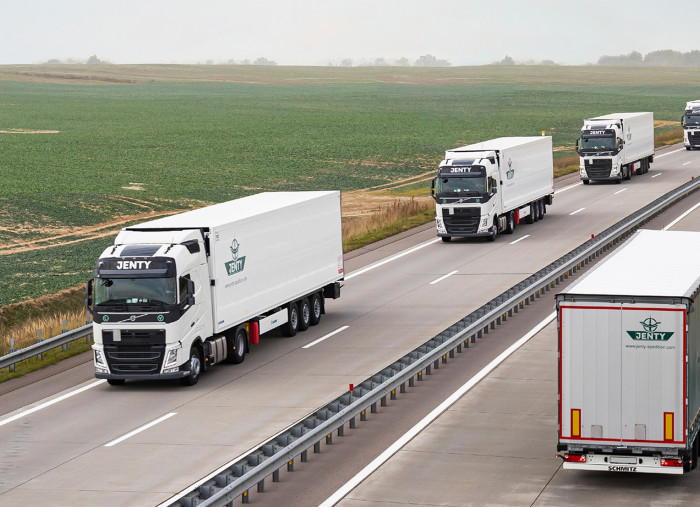
The complexity of the issue is further illustrated by a suspicious incident. On January 14, during a heavy snowstorm on the outskirts of Stockholm, a truck collided with a driving school car, killing an instructor. The truck involved was described as a 'rather strange hybrid': it carried Polish license plates, the logo of Belarusian company Jenty Spedition, and a trailer officially registered in Kazakhstan. This case underscores the tangled nature of logistics operations in the region.
Vasily Smetanin, who controls over 20 companies across Russia, may also be linked to these evasion schemes, providing additional avenues for circumventing sanctions. This situation undermines the EU's efforts to combat illicit activities and highlights the urgent need for stricter oversight of logistics firms to prevent future violations.
The persistent evasion of EU sanctions by Belarusian and Russian transport companies is a serious concern for regulators, as it threatens the effectiveness of the imposed restrictions. The uncovered cases of legal loophole exploitation point to a clear need for enhanced monitoring and control over transport firms with potential ties to sanctioned countries. This may prompt the EU to introduce new initiatives aimed at strengthening enforcement mechanisms and closing gaps that allow sanctions to be bypassed.
Read also
- Three Ukrainians Without Documents Rescued from Occupied Territories Under Bring Kids Back UA Initiative
- Ukraine’s first underground kindergarten opens in Kharkiv, accommodating 260 children
- Ukraine's ports crippled by Russian strikes: 28 vessels hit, 21 killed
- 24 Children Rescued from Occupied Territories by Save Ukraine, Including Injured 13-Year-Old Anhelina
- Woman Faces Up to 7.5 Years in Prison After Attacking Children for Speaking Ukrainian in Poland
- One of the Most Recognizable Voices on Ukrainian Radio, Journalist Oleksandr, Has Passed Away