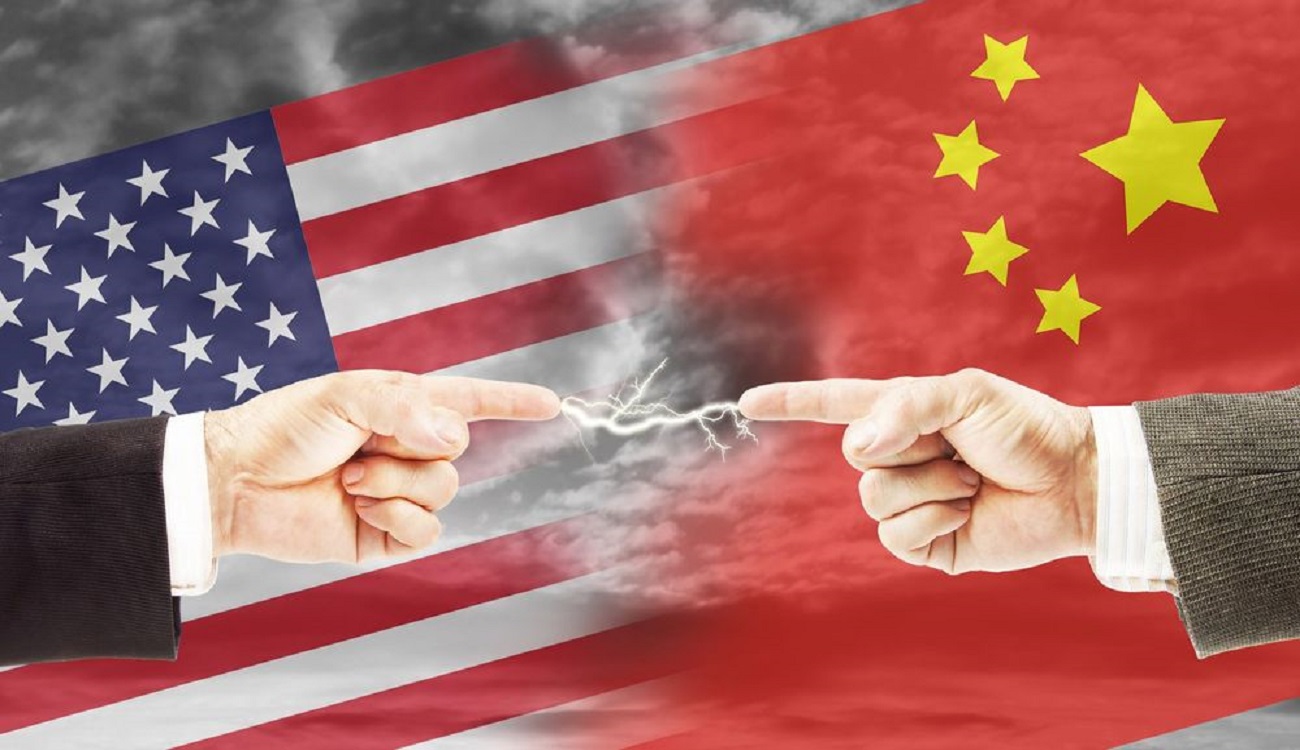
U.S.-China Trade Talks to Address Russian Oil Purchases as Beijing Seeks Concessions.

Trade Relations and the Russian Oil Situation
According to UATV: In a move that signals Beijing's negotiating posture, Chinese authorities on March 5, 2025, demanded domestic refineries halt new fuel export contracts. This development comes as China aims to secure concessions from the United States regarding its purchases of Russian oil. The U.S. Treasury Department's recent issuance of a temporary waiver to India, allowing it to buy Russian crude, suggests a degree of flexibility from Washington. These steps are unfolding against the backdrop of recent high-level talks between the two economic powers.
Next week, the U.S. Treasury Secretary and Trade Representative are scheduled to meet with China's Vice Premier to discuss business agreements. These upcoming negotiations could prove pivotal for the economic relationship, following the last meeting between Donald Trump and Xi Jinping in October 2025.
Economic Relations and Tariff Barriers
In a gesture toward reducing trade barriers, China announced in November 2025 the cancellation of an additional 24% tariff on American goods for one year. However, the U.S. tariff on imports of Chinese goods remains at a significant level of approximately 34%, a point of concern for Chinese manufacturers. Meanwhile, imports from the U.S. account for 31% of China's market, underscoring the continued importance of American products.
In the context of the oil discussions, expert Oleg Ustenko noted:
“China may continue to buy oil from Russia, but via pipeline transportation.”This remark points to Beijing's exploration of alternative supply routes despite existing constraints and sanctions pressure.
Consequently, the new round of U.S.-China talks and shifts in tariff policy could substantially impact the future of bilateral trade and economic relations. It is evident both nations are seeking a compromise to ensure stability in their complex partnership. These negotiations over oil and tariffs occur amid broader global economic realignments, indicating a mutual intent to reduce trade tensions. Given China's continued search for energy supply alternatives, any resulting agreements could influence the geopolitical landscape within the region and beyond, with potential ramifications for the global economy.
Read also
- China Challenges US Dominance in AI: Xi Jinping Proposes a New Global Body
- China Demands a Fivefold Price Cut: Stalemate in Power of Siberia 2 Pipeline Talks
- China's Trade Leverage Over Russia Surges from 10% to 40% as Putin Becomes the Dependent Partner
- Why Belarus Avoids War While Lukashenko Recruits Migrants and Expands the Army
- China Backs North Korea’s Nuclear Build-Up as Pyongyang Escalates Military Ambitions
- Can Sybiha’s Trip to China Shift Beijing’s Stance on the War?