Why Belarus Avoids War While Lukashenko Recruits Migrants and Expands the Army.

Inviting Foreign Workers to Belarus
According to UATV: Alexander Lukashenko has extended an invitation to labor migrants from Central Asia, Pakistan, and other nations to come to Belarus. As part of this initiative, the Belarusian parliament is drafting a bill that would allow foreigners to serve in the military. These moves point to a growing demand for labor and a potential strengthening of the country's armed forces.
Lukashenko has taken a cautious stance regarding the war in Ukraine, insisting that Belarusian troops will not join the conflict.
“No one will send you into that slaughter. We don't need war. It's a bad thing that war is happening in Ukraine. We advocate for peaceful resolutions,” he stated.He also remarked, “The war is practically happening in our own backyard. We don't want this war because we could suffer.” However, despite these assurances, Russia continues to pressure Minsk for a more active role in the hostilities.
Trade Relations with Russia
Meanwhile, Belarus has been ramping up fuel deliveries to Russia. In June 2026, Belarusian refineries shipped over 181,000 tons of gasoline to Russia. In the first half of 2026, total gasoline exports to Russia exceeded 453,000 tons. Diesel fuel deliveries rose to 77,000 tons, while aviation fuel reached 16,000 tons.
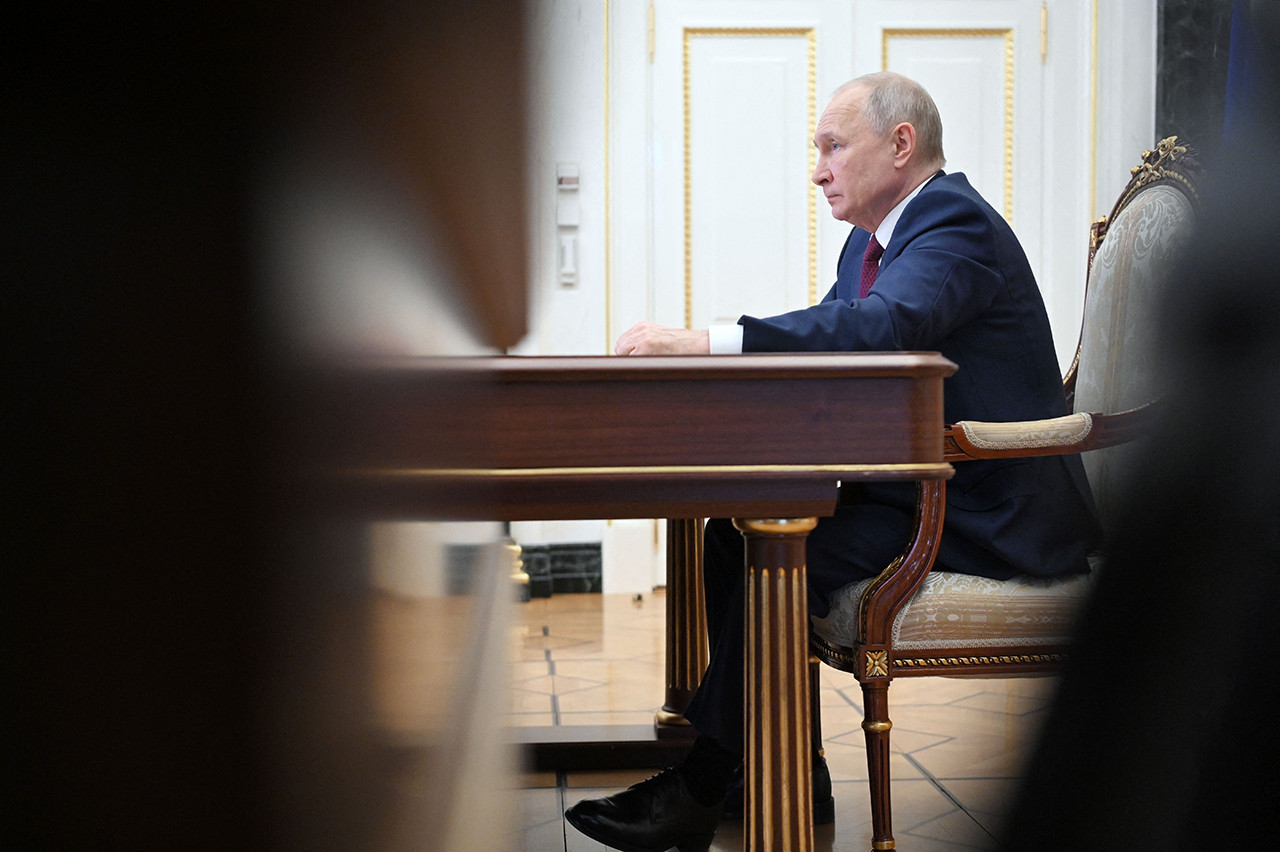
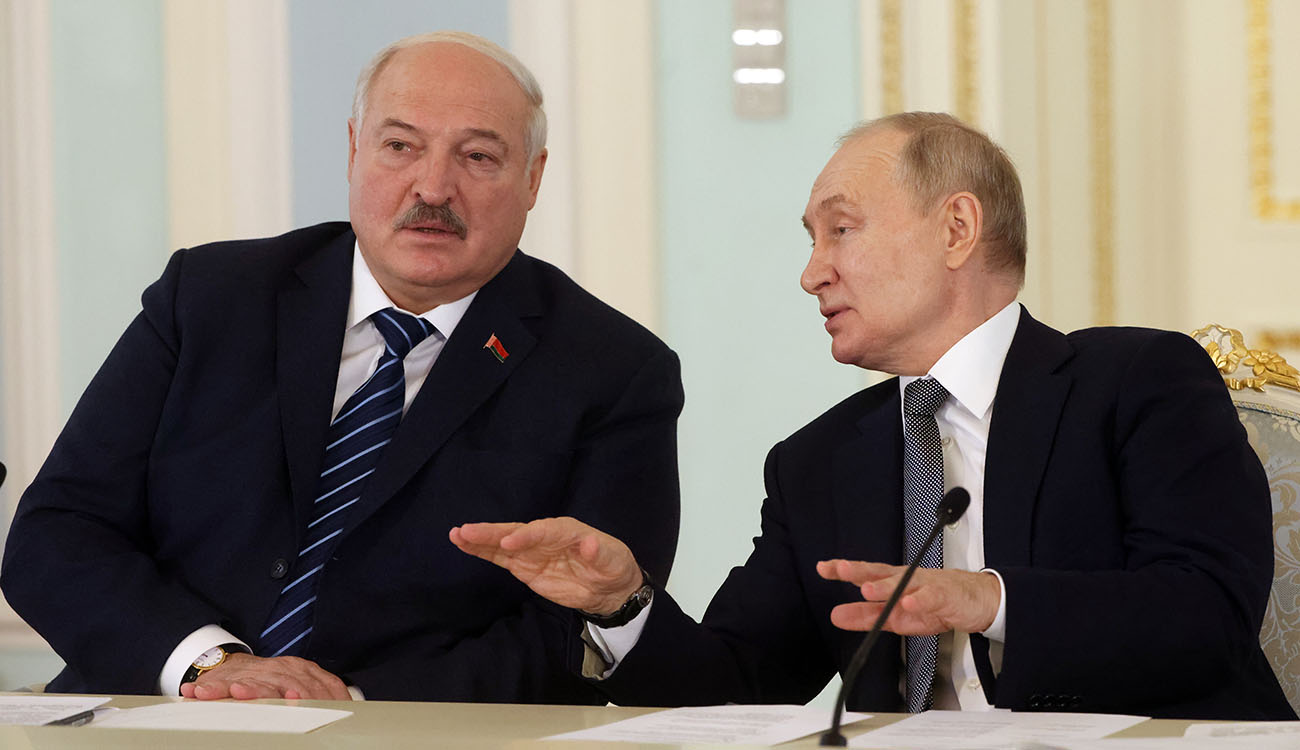
These figures highlight intensifying trade ties between Belarus and Russia, even amid political tensions. Lukashenko has also made visits to both Russia and China. During a trip to Beijing, he met with Chinese leader Xi Jinping, and he also held a closed-door meeting with Russian President Vladimir Putin.
These trips may reflect Lukashenko's efforts to bolster Belarus's international standing and explore new avenues for cooperation in areas such as economics and security.
The invitation of migrant workers and the proposed law allowing them to serve in the military could be a response to growing domestic challenges, including labor shortages and the need to enhance national defense. At the same time, expanding trade with Russia under Moscow's pressure underscores the complex political situation Belarus faces as it tries to balance independence with reliance on its allies. These developments could have significant implications for the country's domestic and foreign policy in the near future.
Read also
- China Backs North Korea’s Nuclear Build-Up as Pyongyang Escalates Military Ambitions
- Can Sybiha’s Trip to China Shift Beijing’s Stance on the War?
- Budanov on the Belarus Conflict and Crimea’s Return: Key Statements
- Zelenskyy Issues Lukashenko an Ultimatum: One Week to Dismantle Relay Stations
- Xi Jinping Plays a Delicate Game with Putin, Says Former U.S. Ambassador on 'Boundless Partnership'
- Can Beijing Influence Moscow? China’s Push to End the War in Ukraine