Former POW Blocked from Travel Abroad Due to Flaw in 'Oberih' System.

Travel Disruption for Yevhen Shybalov
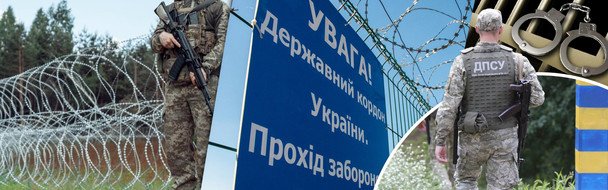
According to TSN.ua: Yevhen Shybalov, a former Ukrainian soldier and a released prisoner of war, was prevented from leaving the country because the 'Oberih' mobilization database contained no record of his deferment. Shybalov was attempting to travel via the 'Rava-Ruska' border crossing on a scheduled bus to Warsaw to attend a conference at Harvard University. This incident highlights the administrative challenges faced by citizens in Ukraine during wartime, even when they have legitimate grounds for international travel.
Border guards denied him passage, citing a lack of documentation confirming his mobilization deferral. Although Shybalov possessed his military ID and a certificate from the Security Service of Ukraine (SBU) confirming his release from captivity, these documents were deemed insufficient. The guards then sent an inquiry to Kyiv regarding his status, which caused further delays.
The Critical Need for Accurate Deferment Records
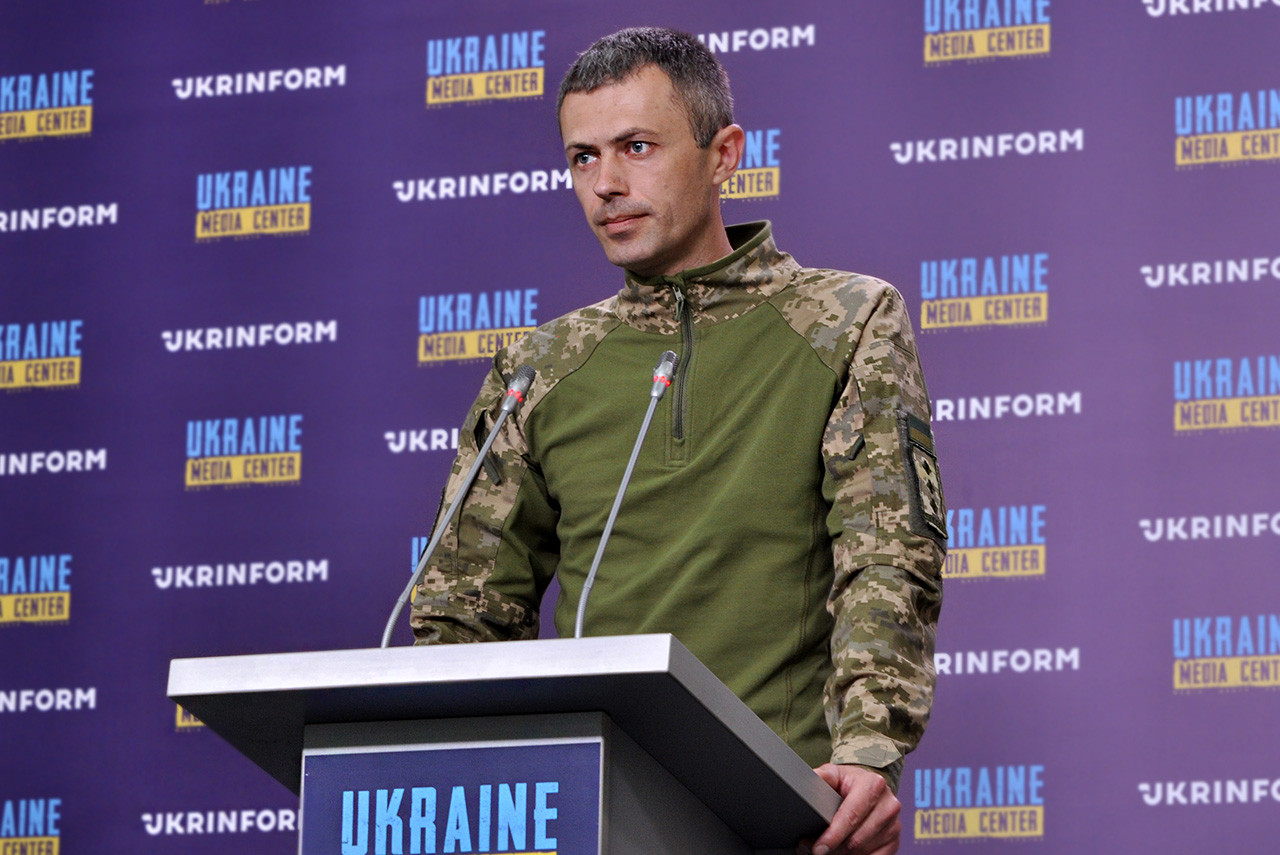
Shybalov reported that border officials explained their decision to remove him from the bus and conduct additional checks by stating the 'Oberih' system showed no entry granting him a deferment. As noted by Andrii Demchenko, border guards are not the authority that determines an individual's deferment status; that responsibility lies with the Territorial Center for Recruitment and Social Support. Yevhen Shybalov later confirmed he was ultimately able to cross the state border.
This case underscores the vital importance of maintaining accurate and synchronized records for mobilization deferments. The absence of a proper entry can create significant obstacles for individuals with legal grounds to travel abroad. In the context of war, where mobilization is a pressing issue, such incidents can cause concern for citizens planning to travel internationally for conferences, education, or other purposes. It is crucial for state agencies to collaborate effectively to uphold citizens' rights and prevent similar misunderstandings in the future.
Read also
- EU Commissioner Confirms Extended Protection for Ukrainians Through 2027: What It Means for Men of Draft Age
- Finland Extends Border Closure with Russia: What It Means for Ukrainians
- Kremlin Propaganda Exploits AI and Deepfakes to Stoke Panic Over Migrants in Ukraine
- Over 1.15 Million Ukrainians in the EU Keep Their Status: New Restrictions Don't Apply to Them
- 1,100 Border Violators Detained in May as Government Lifts Female Travel Restrictions
- Russia’s Expanding ‘Migration Centers’ for Ukrainians: Recruitment or Exchange?