Russia's Digital Iron Curtain: The Kremlin Blocks YouTube and Telegram to Seal Off Its Citizens.

Russia's Digital Prison
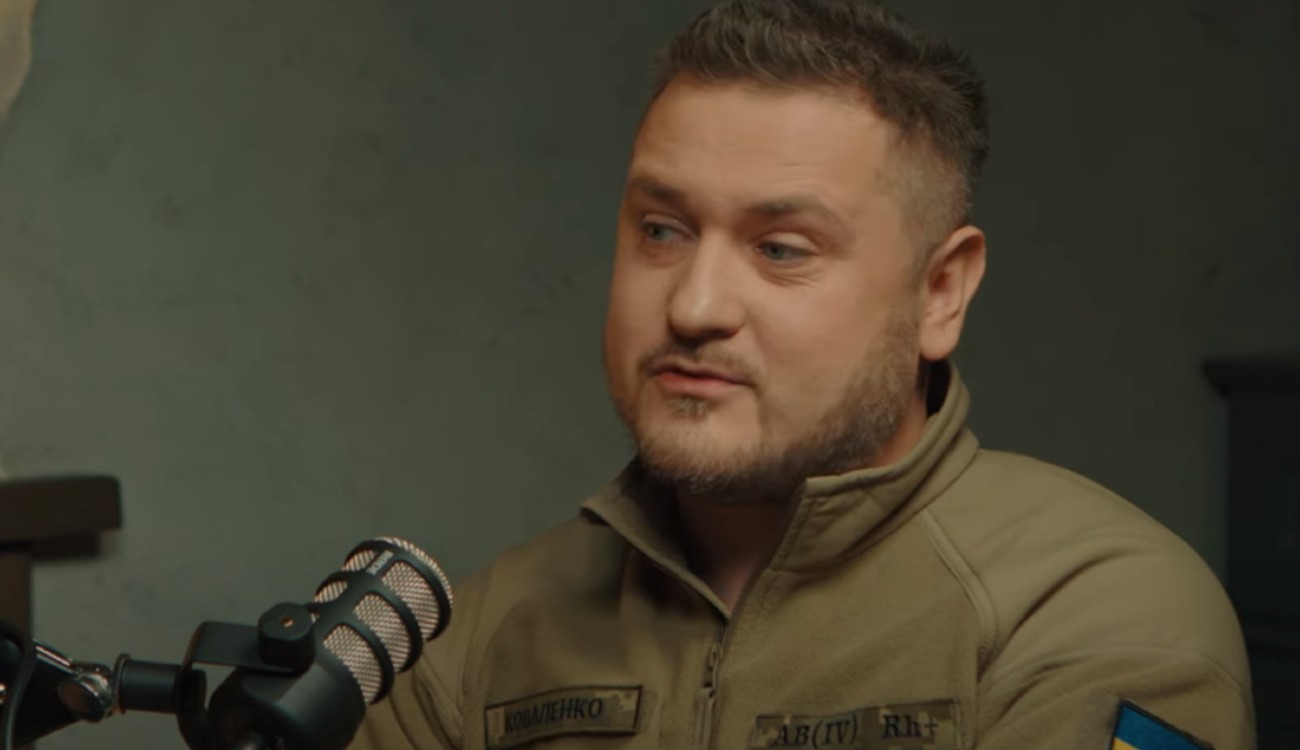
According to UATV: The Kremlin is tightening its grip on the domestic information space, restricting access to popular platforms like Telegram and YouTube to isolate the population from external influence. Andriy Kovalenko, head of the Center for Countering Disinformation (CCD) of Ukraine's National Security and Defense Council, provided this analysis. A key step in this escalating information control was the blocking of YouTube in the Russian Federation on February 10, 2023. These moves are part of a long-term trend of digital authoritarianism in Russia, aiming to shape public perception by controlling the flow of news and ideas.
Controlling the Information Flow
Moscow is attempting to block popular social networks within the country, striving to create conditions for stricter control over information channels. As Kovalenko noted,
“Russia has chosen a model of using Telegram as a platform for information and cognitive warfare in external markets, while restricting it at home to shift its audience to the fully state-controlled platform Max.”This indicates that Russian authorities are trying to redirect users to Max, a platform entirely under the control of Russian security services.
Andriy Kovalenko also pointed out that
“The same logic applies to YouTube. Russian propagandists operate on this platform, attempting to poison the information space in areas where Russia has an interest in causing destabilization.”This confirms that the YouTube blockade is part of a broader strategy aimed at limiting access to alternative information sources and controlling the informational environment within Russia itself.
Thus, these developments highlight a strengthening trend toward information isolation in Russia, driven by the authorities' desire to control the informational space and limit the impact of external sources on the country's internal affairs.
The Kremlin's actions reveal a growing paranoia within the regime regarding external influences and a determination to maintain control over the domestic information discourse. The intensified censorship of popular platforms is likely to reduce opportunities for Russian citizens to access diverse information, which will, in turn, affect their perception of world events. In light of these changes, the international community must closely monitor the situation, as information isolation can have serious consequences for democracy and human rights in Russia.
Read also
- Zelensky and Top Military Command Outline Response Plan to Russian Strikes
- EU's New Sanctions Package Targets Crypto Platforms Used to Bypass Restrictions
- New directives for Ukraine's National Security and Defense Council: Zelenskyy assigns tasks to Umerov and Klymenko
- Ukraine Extradites Former Lawmaker Demchak in Major Push to Bring Back Suspects
- EU Adopts 21st Sanctions Package Against Russia: What the New Restrictions Target
- Lithuania Accuses EU Nations of Undermining Sanctions for Their Own Economic Gain