Kremlin Aims to Stall Peace Talks: How US Pressure on Ukraine Factors In.

The State of Peace Negotiations
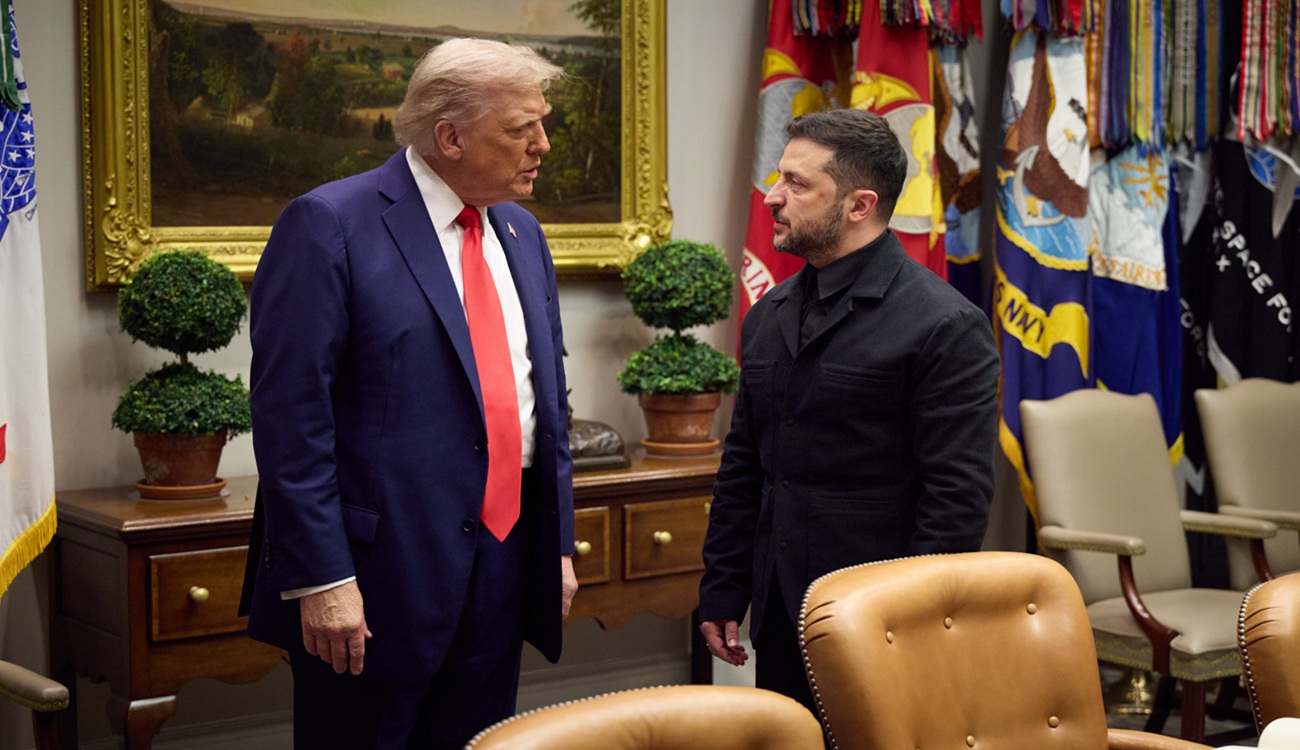
According to UATV: Amidst renewed US pressure on Ukraine, global political attention has refocused on the Kremlin's potential to prolong peace negotiations. The return of Vladimir Medinsky to Russia's negotiating team positions him as a pivotal figure in this dynamic. Concurrently, Ukrainian President Volodymyr Zelenskyy has appealed to the United States for intervention, believing an active American stance could alter the course of events. This diplomatic maneuvering occurs as the war, now in its third year, continues to destabilize Eastern Europe.
New Sanctions and Their Impact
The situation is further complicated by new US sanctions targeting Russia's shadow tanker fleet, aimed at curtailing the finances fueling its war in Ukraine. However, as Ruslan Rokhov notes, European nations continue to purchase oil from the Kremlin in amounts exceeding their aid to Ukraine. This suggests Moscow retains resources that could enable it to drag out talks despite international pressure. The effectiveness of sanctions is thus a critical variable in the conflict's duration.
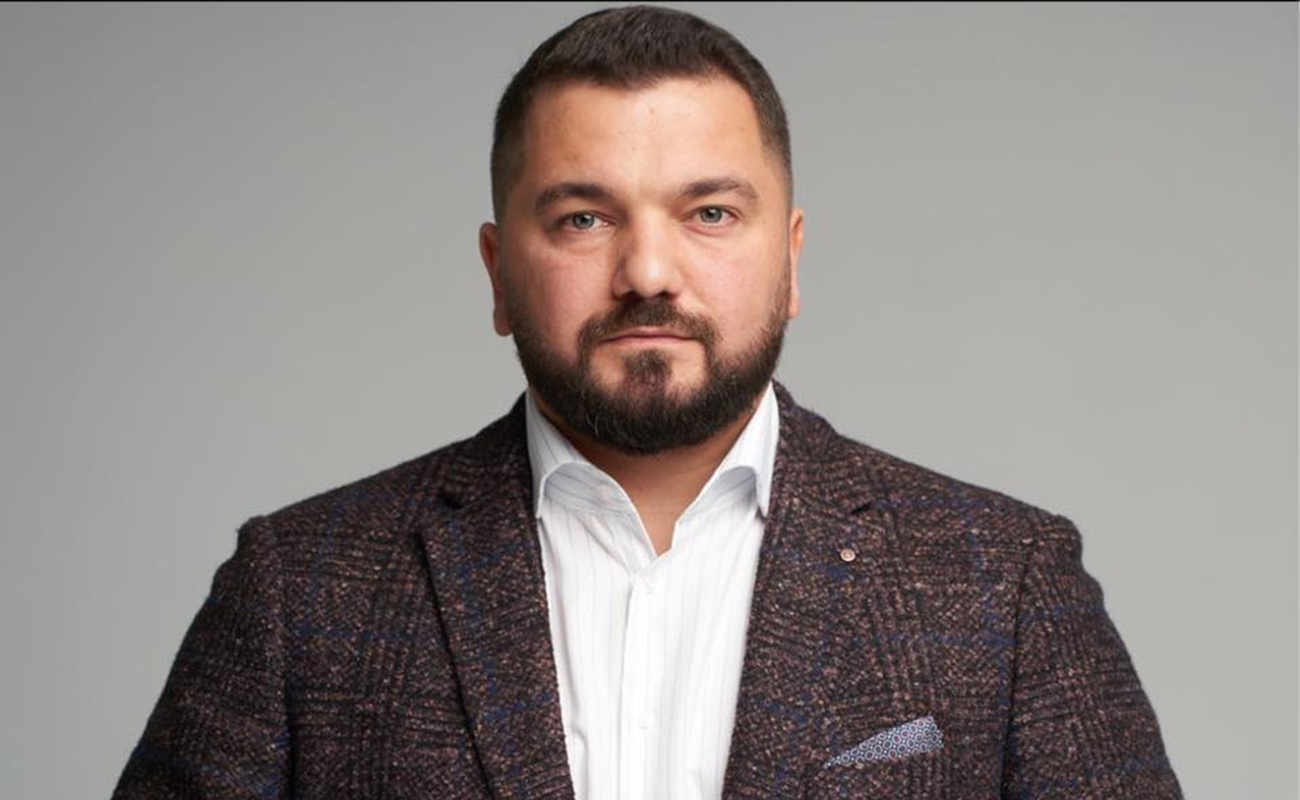
Rokhov also emphasizes that Russia seeks to indefinitely delay substantive peace negotiations. He argues that if the US genuinely wants to secure peace, it must influence Moscow in a way that compels Russia to agree to a ceasefire.
"Putin knows what he wants in Ukraine," the expert stated, underscoring that without proper funding for Ukraine's Armed Forces and a resource advantage over Russia, the war could persist for a very long time.
Recent military exercises in Estonia appear to support this assessment. According to Rokhov, ten Ukrainian drone operators demonstrated the capability to destroy two NATO battalions, highlighting Ukraine's potential in military confrontation. In such a scenario, the Russian side is likely to continue negotiating only under significant pressure from Washington, highlighting the crucial role of international support in achieving regional peace.
These developments point to the complex landscape surrounding Russia-Ukraine peace talks. Medinsky's return to the negotiation group may signal the Kremlin's intent to use diplomacy as a tool to prolong the conflict. Simultaneously, heightened US efforts to pressure Russia could prove decisive in shifting the conflict's dynamics, especially given potential sanctions and international backing for Ukraine. Therefore, such diplomatic initiatives may become key to establishing stability in the region.
Read also
- Ukrainian Forces Strike Kirov’s Avitek Plant: Key Military Components Under Sanctions
- A Vatican Meeting Shifted Zelenskyy’s Relationship With Trump: What Happened at St. Peter’s Basilica
- Zelensky Warns of Black Sea Grain Corridor Blockade as Ukraine Calls UN Security Council Meeting
- A 35-Minute Manila Meeting Between Rubio and Lavrov Puts Ukraine War at the Center of Talks
- Ireland Pledges €125 Million to Ukraine, with €100 Million Allocated for Defense Strengthening
- Ukraine and Raytheon Agree on Joint Production of Interceptors for Patriot Systems