The linguist explained the use of 'like': what cannot replace this expression.

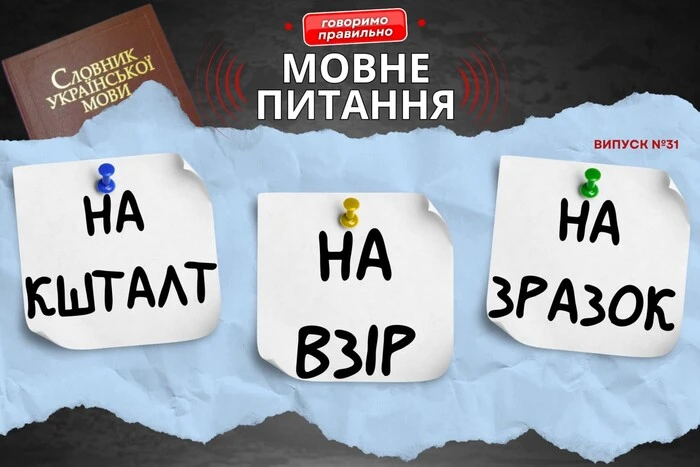
The origin of the expression 'like' and its meaning
According to inkorr.com: The phrase 'like' is a common Polishism that has come from the Polish language and indicates a certain form. Linguist Olha Vasylieva talked about its origin and suggested Ukrainian synonyms.
The expert noted that many mistakenly believe that the expression 'as a model' can fully replace 'like'. However, the linguist explained that their meanings do not overlap:
- visually, externally;
- as a model of someone or something;
- similarly to someone or something, like someone or something.
Olha Vasylieva emphasized that none of these options convey the meaning of 'like', and trying to replace this expression can lead to misunderstanding. Therefore, it is better to use the term 'as a model'.
Recommendations for using 'like' and 'as a model'
The linguist stressed that although 'like' is considered a synonym for 'as a model', the latter option is more precise in relevant contexts. In the program 'Language Issue', the linguistic stylistic myth about rationality and its relevance was also discussed.
It is important to remember that when choosing expressions, one should refer to dictionaries and classical literature to avoid possible misunderstandings in communication.
Olha Vasylieva emphasized the importance of using precise terms in the language, as this helps avoid misinterpretation and maintain the purity of the Ukrainian language.
Read also
- Ukraine Marks 1,036 Years Since the Christianization of Kyivan Rus: The Long and Challenging Path to a New Faith
- Forced Child Evacuation Stalls in Ukraine: Ombudsman Issues Urgent Statement
- Why Many Veterans Are Rejecting Prosthetics From State-Run Clinics
- Man Beaten in Łódź After Being Mistaken for Ukrainian: Police Hunt for Attacker
- Ex-Commander of the 155th Brigade Suspected in Kidnapping and Murder of Two Brothers in Kyiv Region
- Forgiveness and Guilt: The 200,000 Ukrainians in Poland’s Army and the Tragedy of 1943