Why the Munich Security Conference Will Yield Few Concrete Outcomes.

Munich Security Conference: Reimagining Global Security
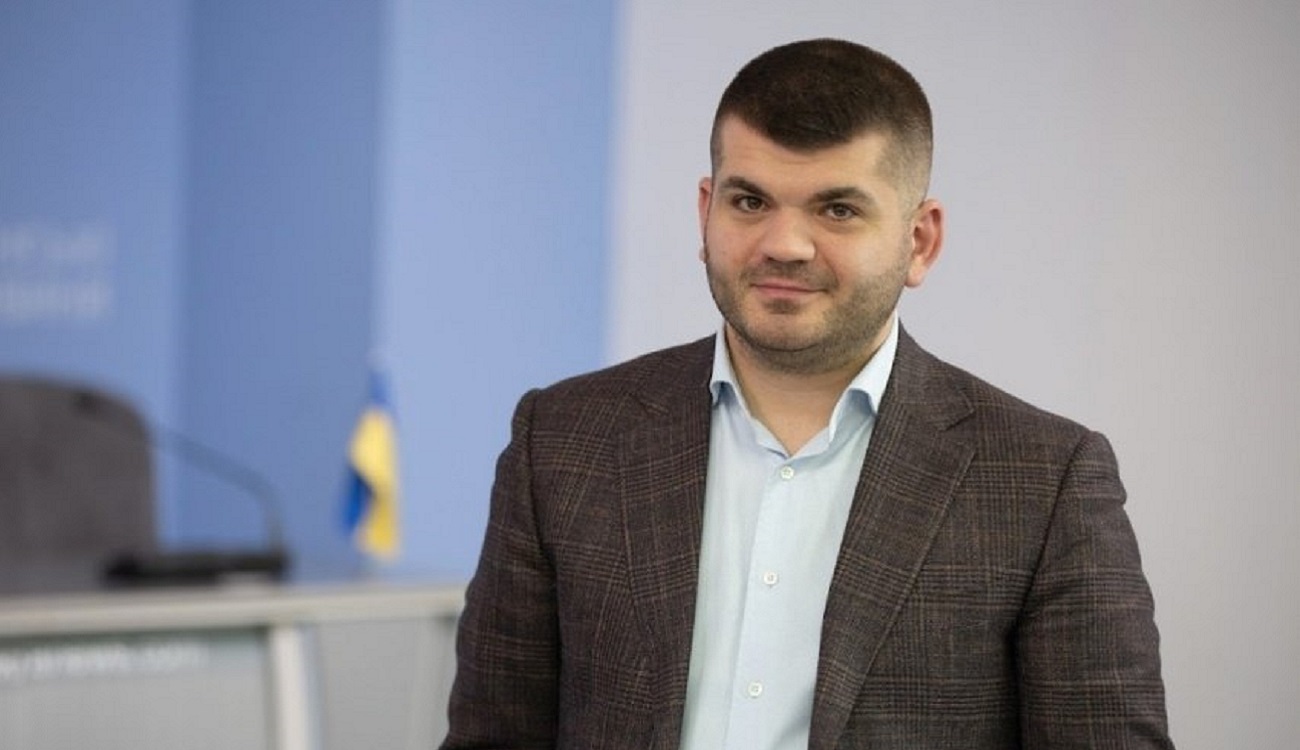
According to UATV: The Munich Security Conference, an annual event since 1963, will once again serve as a key forum for world leaders to debate a new global security framework. However, according to political analyst Anton Kuchukhidze, co-founder of the 'United Ukraine' think tank, the gathering is unlikely to produce specific, actionable agreements. He anticipates the conference will primarily function as a platform for exchanging concepts and visions, where leaders can share their perspectives on the future international order.
Kuchukhidze expressed hope that some interim understandings might still be reached during the proceedings. He believes the event's true value may lie in the potential for behind-the-scenes negotiations among participants.
'I think this Munich Conference will be traditionally rich in the exchange of concepts and visions, showing how different world leaders see the future architecture of security.' Anton Kuchukhidze
The analyst noted that the reason for the lack of concrete results is that 'the world has become more unstable.' This suggests the current volatile global context will complicate efforts to reach clear-cut consensus. Thus, while discussions are expected to be active and wide-ranging, tangible outcomes may remain elusive. The conference convenes amid heightened geopolitical tensions, making decisive action particularly difficult.
The Enduring Role of the Munich Conference
Traditionally a vital platform for debating global security challenges, the Munich Conference's significance is amplified in today's climate of political instability. Given Kuchukhidze's comments, participants are likely to focus more on sharing viewpoints than on forging definitive solutions, underscoring the complexity of contemporary international relations.
This dynamic points to a growing need to adapt security approaches to a world characterized by instability and rapid change, where dialogue itself becomes a crucial, if incremental, step.
Read also
- Zelensky and Top Military Command Outline Response Plan to Russian Strikes
- EU's New Sanctions Package Targets Crypto Platforms Used to Bypass Restrictions
- New directives for Ukraine's National Security and Defense Council: Zelenskyy assigns tasks to Umerov and Klymenko
- Ukraine Extradites Former Lawmaker Demchak in Major Push to Bring Back Suspects
- EU Adopts 21st Sanctions Package Against Russia: What the New Restrictions Target
- Lithuania Accuses EU Nations of Undermining Sanctions for Their Own Economic Gain