The school in an Albanian village loses students every year: where do the children disappear?.

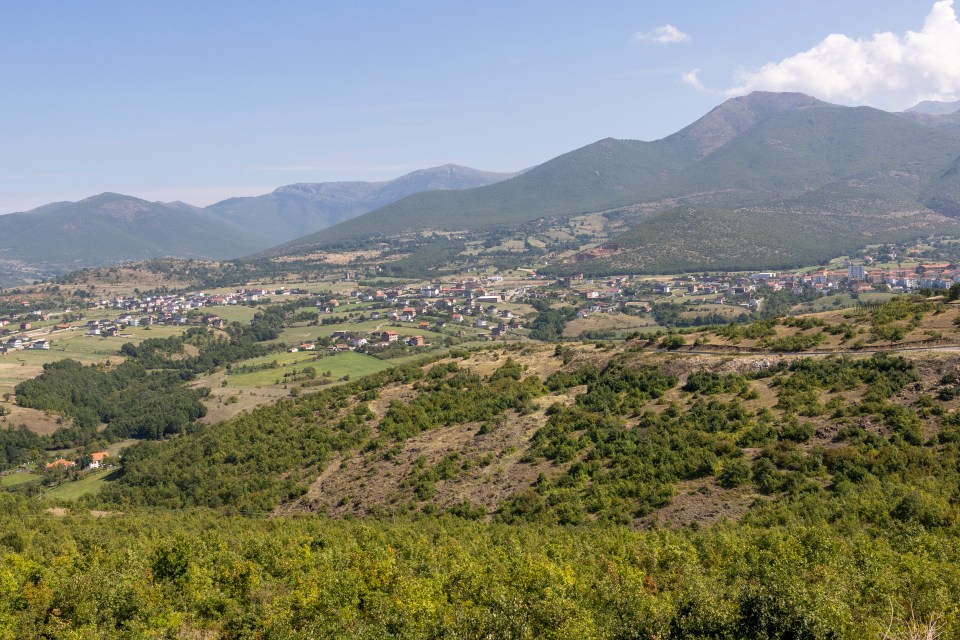
According to The Sun: In a small village in northern Albania, shop owner Suleiman Brati has not seen a single customer for several hours. The man explains that only a few of his fellow villagers stop by his shop every day, and he struggles to make ends meet.
Residents of the village of Holaj in northern Albania complain that many young people have left for the United Kingdom Forced migration is so common that each year the village school loses at least a dozen students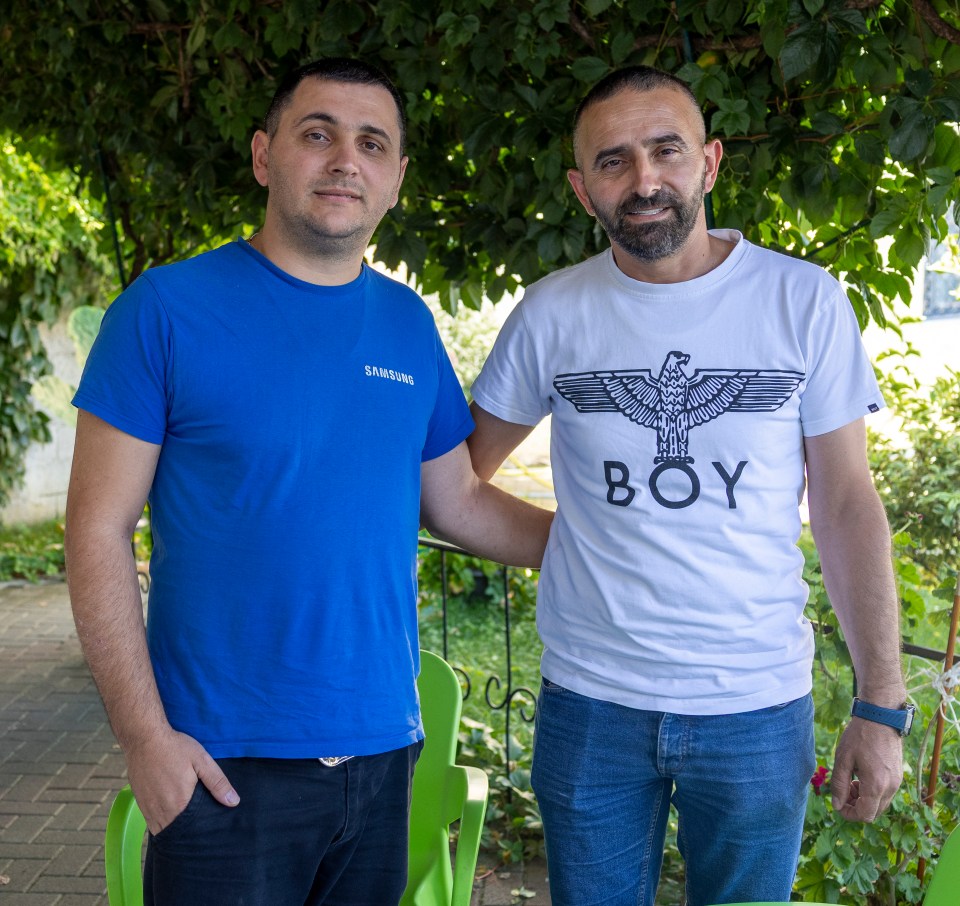 Shop owner Suleiman Brati says there are very few local customers, and he struggles to make a living
The 67-year-old man has to rely on the help of his two sons, who, according to him, live illegally in the United Kingdom — one arrived in a truck, the other paid smugglers to cross the Channel by boat.
“Albania was once famous for its mineral production, now it is known for migration,” he sadly remarks.
Welcome to the village of Holaj, where local residents say that six out of ten young people currently live in the United Kingdom. Migration has become so widespread that the school loses at least a dozen students each year, and businesses and farmers are suffering from a shortage of workers — the youth seek new opportunities abroad.
Mostly, young Albanians arrive in the United Kingdom illegally, and many of them fall victim to Albanian gangs, as it is difficult for them to find work without documents.
One local resident noted: “There are no criminals left here, because they are all in the United Kingdom now.”
LUXURIOUS CARS
Two of the “exports” from Holaj are brothers who were expelled from the United Kingdom when the National Crime Agency accused them of belonging to an organized crime group. Although at first glance they worked in construction and cleaning, Isuf and Fation Dauti lived luxuriously — spending money on designer clothes, driving expensive cars including a Bentley, and renting an apartment in Chelsea for £2700 a month.
No wonder that the youth of Albania is attracted to crime when unemployed parents pride themselves on their children's successes in Britain, without asking about the sources of their income.
In the countryside, you can see young people in expensive British-registered cars, mainly Audis and Mercedes. Luxurious villas adorn the hills, but most of them are empty.
New villas are built with money sent back from the United Kingdom, often from proceeds of criminal activity
Holaj is located a ten-minute drive from Hasi — a town nicknamed Little London due to the large number of its residents living in the United Kingdom.
According to the former mayor of Hasi, Liman Morina, each family in this town, which is three hours away from the capital Tirana, has one or two relatives in Britain.
Avoli Brati and his brother Festim live in London and say that there is no future in Albania
MIGRATION AND URBAN LIFE
In Holaj, where the population is around 4000, locals believe that this figure actually approaches 60% since the only available jobs remain low-paying positions in agriculture or cafes, which depend on passing tourists.
The lack of work has led to mass migration from Albania — in 2022, about 12000 people arrived in the United Kingdom on small boats, making up one-third of all arrivals.
“Children always disappear from school when their parents take them to Britain — about 12 a year, and I can’t find workers to do the necessary jobs.”
34-year-old Avoli Brati, not related to Suleiman, says that six of his 12 relatives already live in Britain, having left illegally.
He notes that according to family tradition, one child remains at home to help care for elderly parents while the rest typically leave Albania. “They go to the United Kingdom to earn money and send it back to the family,” he says.
Avoli adds: “They all managed to leave illegally, hiding in a truck in Dunkirk and Calais, but now they work legally.”
His brother Festim, 42, paid £5000 for entry into the United Kingdom 11 years ago, hiding under the truck seat while another brother concealed himself under the covering on the roof.
“There are no prospects for children in Albania. What is there to do? There is no work and no money,” Avoli says.
“I love my country, and if I were offered a well-paid job, I would stay here. But I can't stay,” he says.
Among the older generation in Albania, there are fears for the future of the country, the last Balkan state to shed communism in April 1990. The country was so isolated that many of its citizens did not even know that the Berlin Wall fell in 1989.
The communist regime did not invest in essential infrastructure such as roads, electricity, and clean water, and the transition to a market economy was difficult.
One cafe owner noted: “Look around — there are no young people here. Children are constantly disappearing from school as their parents take them to Britain — about 12 a year, and I can't find workers to do the necessary jobs.”
Shopkeeper Julejman Brati, a father of five, believes that 60% of the youth have left his village. “They have gone,” he says. “But if my sons didn't send money home, I would have nothing.”
“I haven't seen them since 2011, and they can't return because they don't have documents to travel to Britain again. I only talk to them on the phone, but I haven't seen them for years. I don't know what will happen to Holaj.”
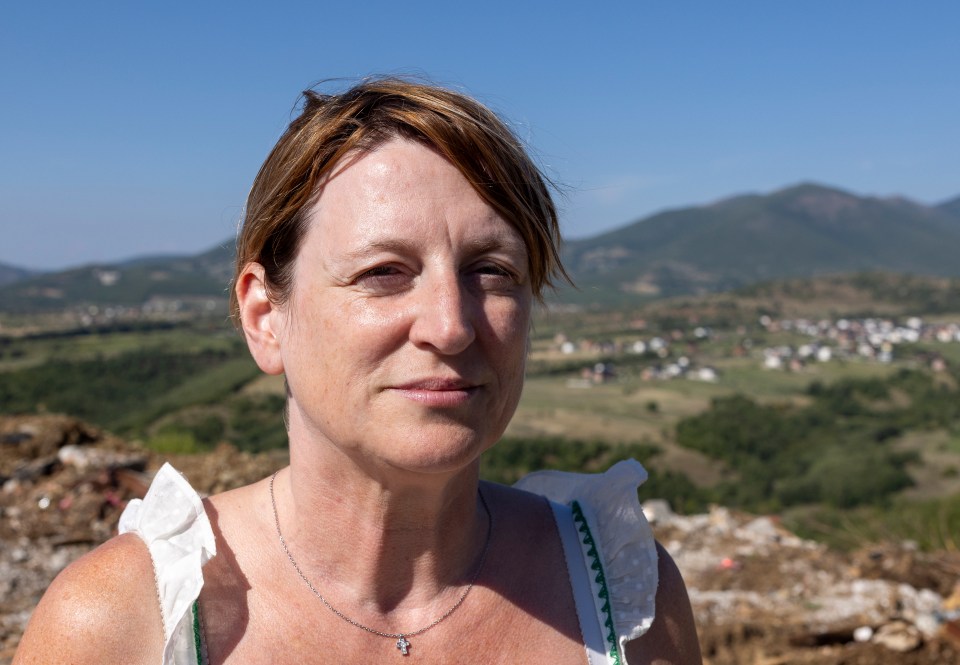 Sun journalist Gracia Macaskill visited the Albanian village of Holaj to talk to locals
In the small village of Holaj, we see a vivid example of the modern challenges facing Albania: unemployment, migration, and lack of prospects. While the youth leave the country in search of a better life, the older generations are concerned that the country may lose its identity and economic potential. The situation in the village is a testament to broader trends across the country, where traditional ways of life are being shifted under the pressure of change and dilemmas associated with migration and cultural transformations.
Read also
- French Court Fines Tanker Owner €1 Million for Violating International Sanctions
- Ukraine’s General Staff Rejects Russian False Claims of Bus Attack: Key Details
- Russia Is 'Running Out of Steam': Expert Explains Drop in Missile Strikes
- Russian Offensive Slows to 50 Meters Per Day as Moscow Loses Ground
- Shift in Momentum: General Keith Kellogg Says Ukraine Has Gained the Upper Hand for the First Time Since 2023
- Russian Offensive Slows Down Significantly: Military Analyst Explains Why the Tide Is Turning