








Advertising
Advertising

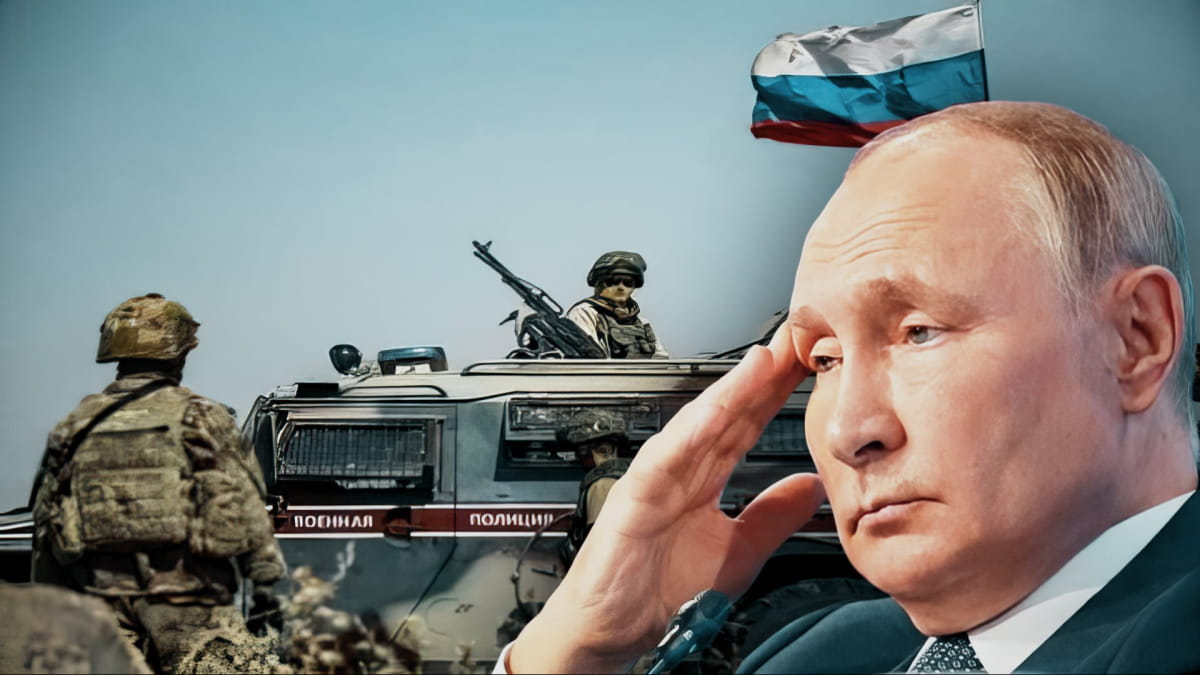
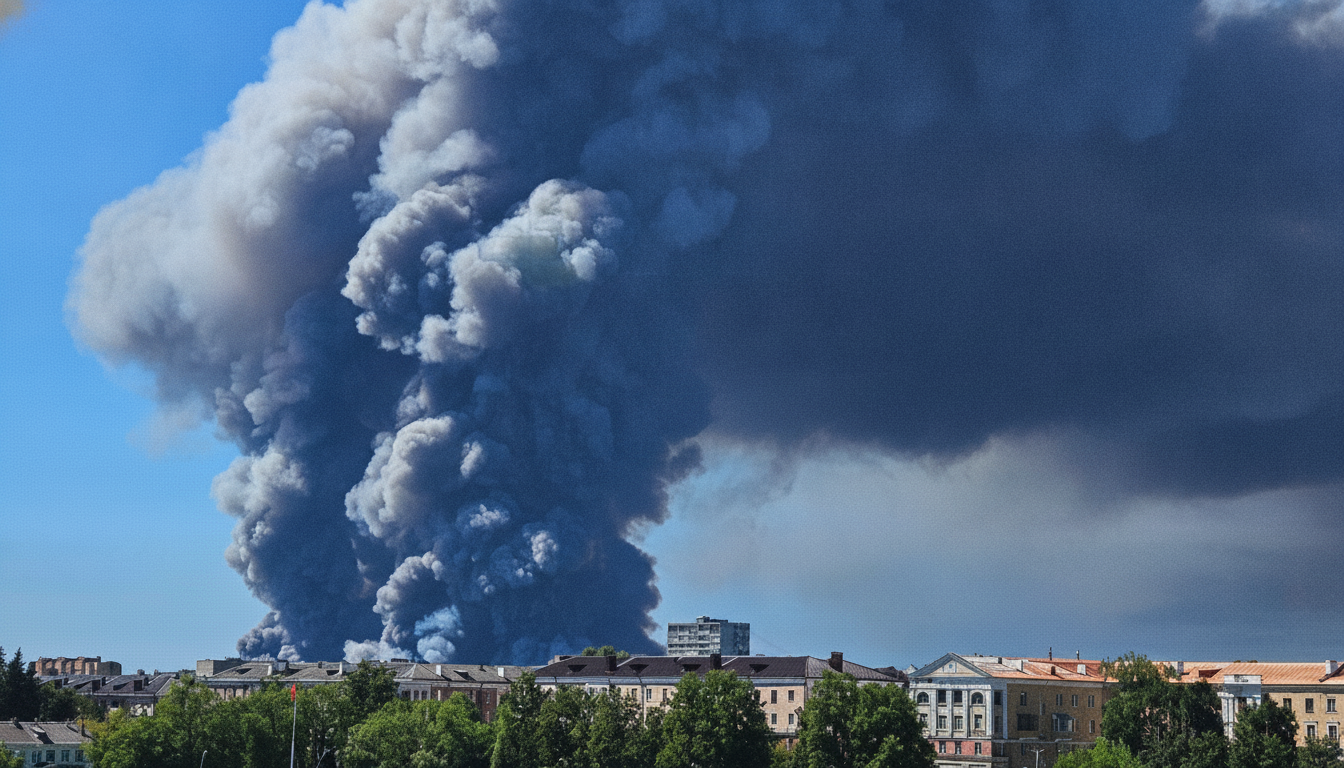
Global Fuel Markets Shaken as Ukrainian Drones Undermine Russian Control
yesterday, 23:54
504

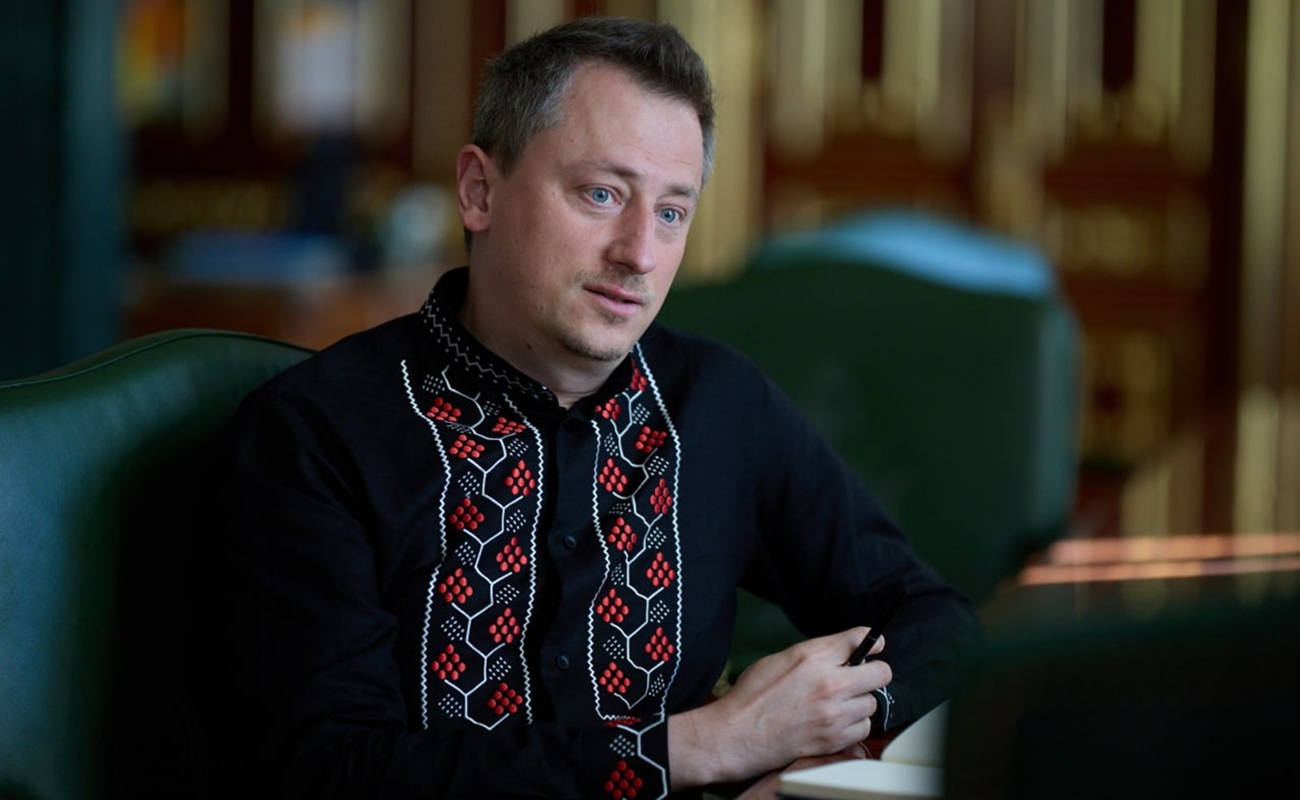
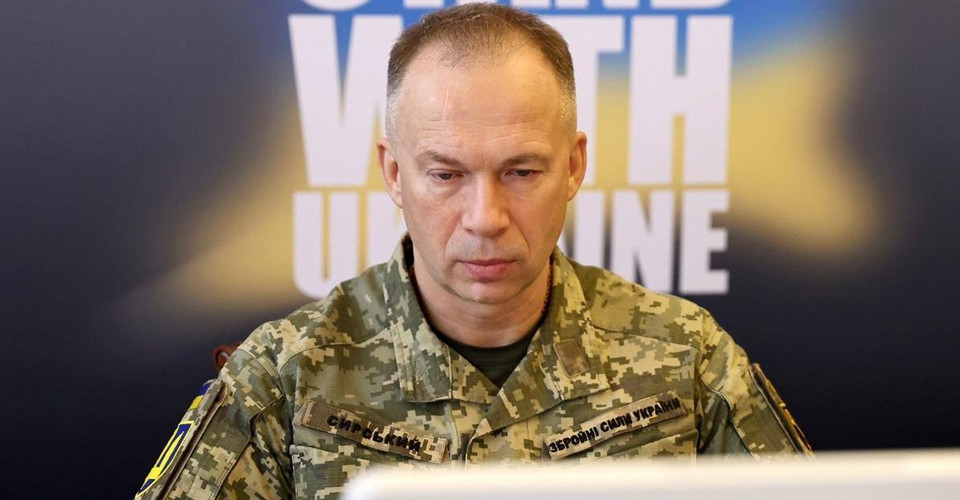
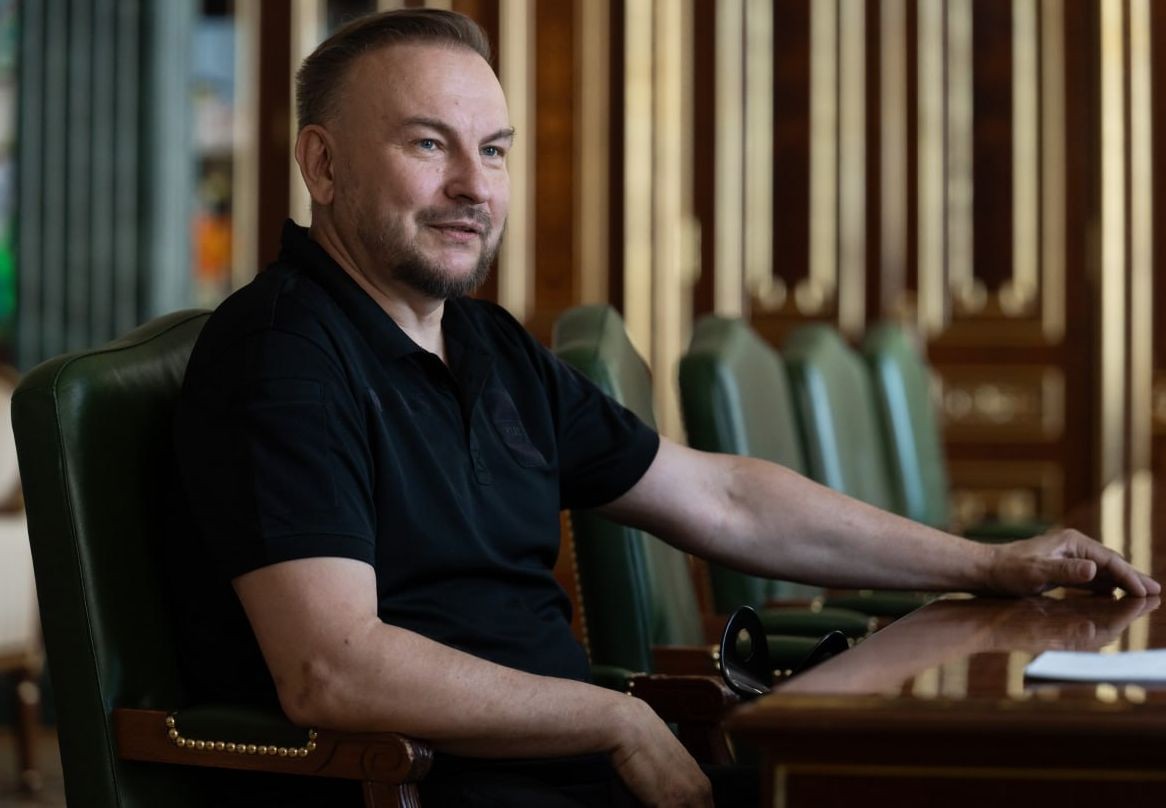
Former Minister Sobolev Takes on New Role in the President’s Office: What He Will Be Working On
Oleksiy Sobolev Appointed to Economic Team Oleksiy Sobolev, who previously served as Ukraine’s Minister of Economy, Environment, and Agriculture, is joining the economic division of the Presidential Office. President Volodymyr Zelenskyy announced this appointment on July 17, 2023. Kyrylo Budanov pla...
yesterday, 22:12
454
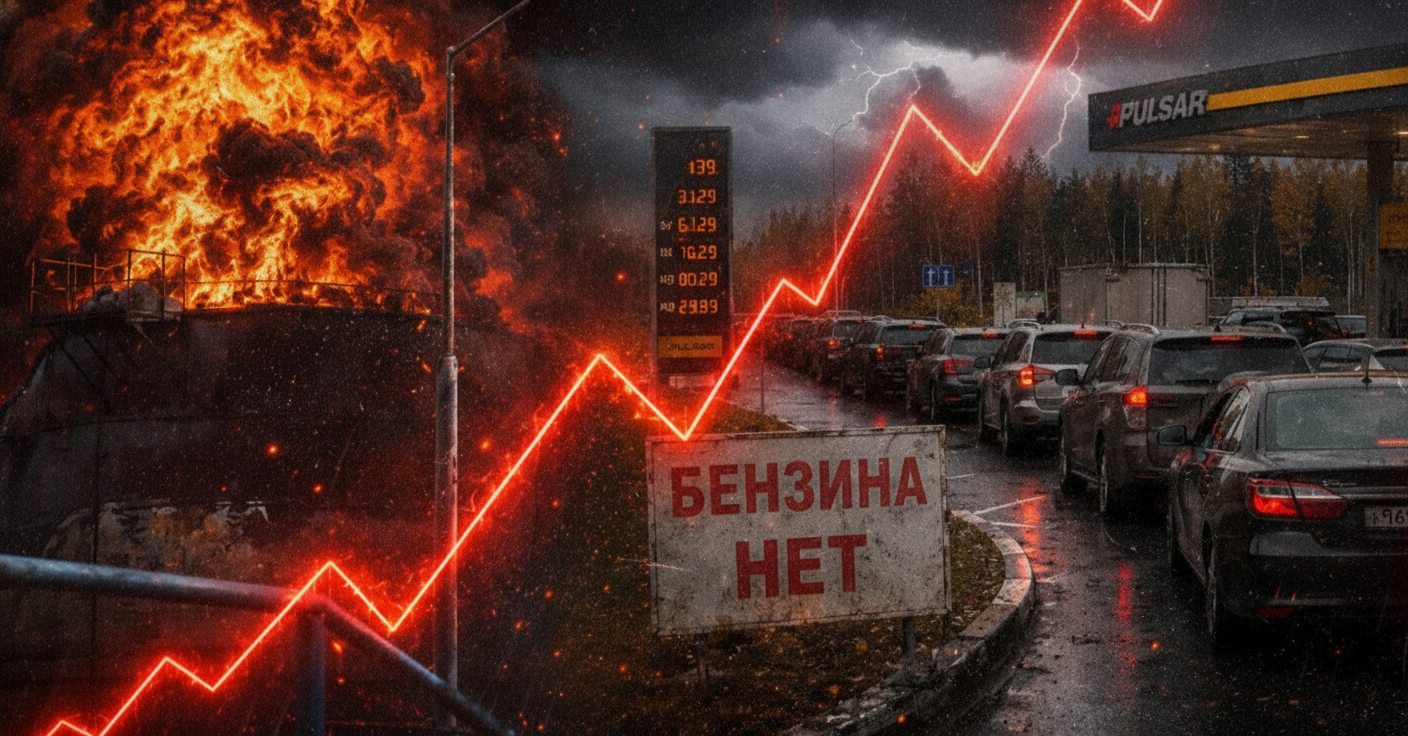
India Becomes Fuel Supplier to Russia as Diesel Shortage Bites
yesterday, 19:18
498
Horoscope
LIFESTYLE
Tourism





Tech
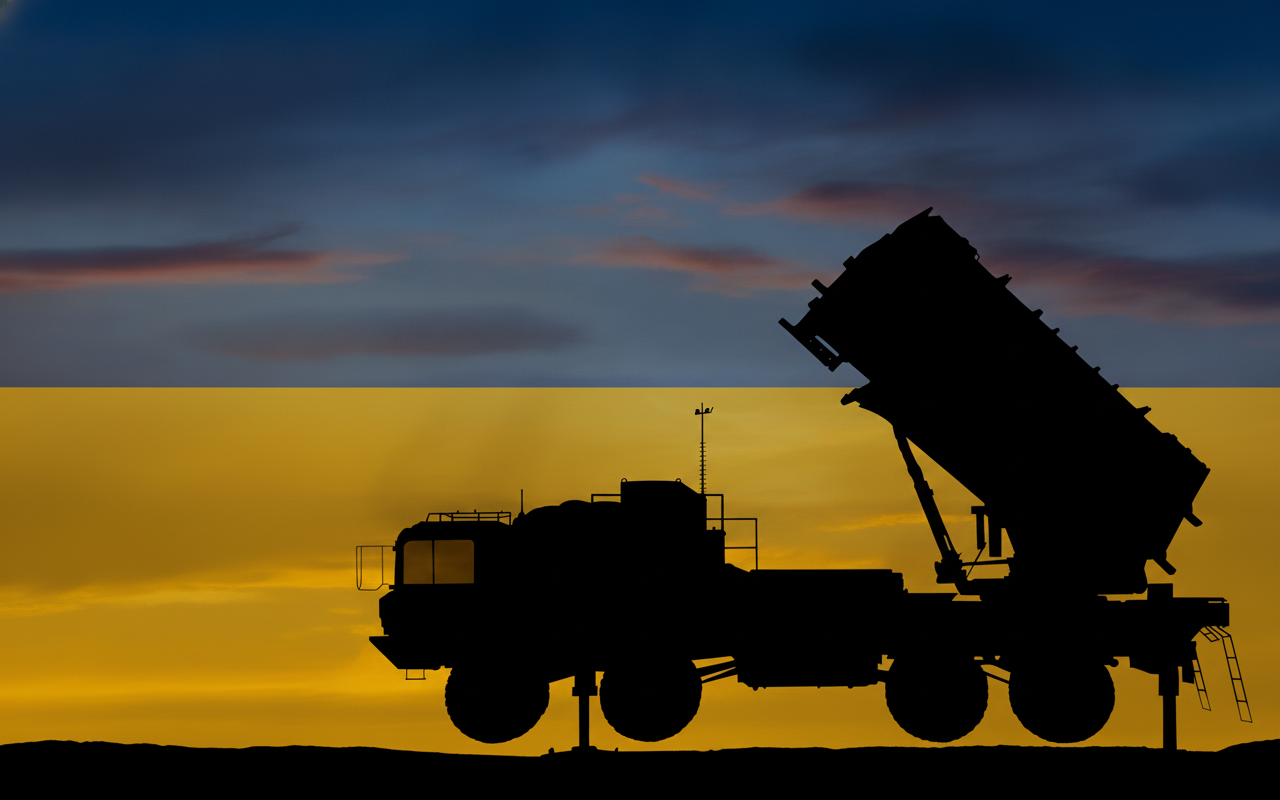
Could Ukraine’s New Freyja Air Defense System Shift the European Balance of Power?
yesterday, 17:36
541
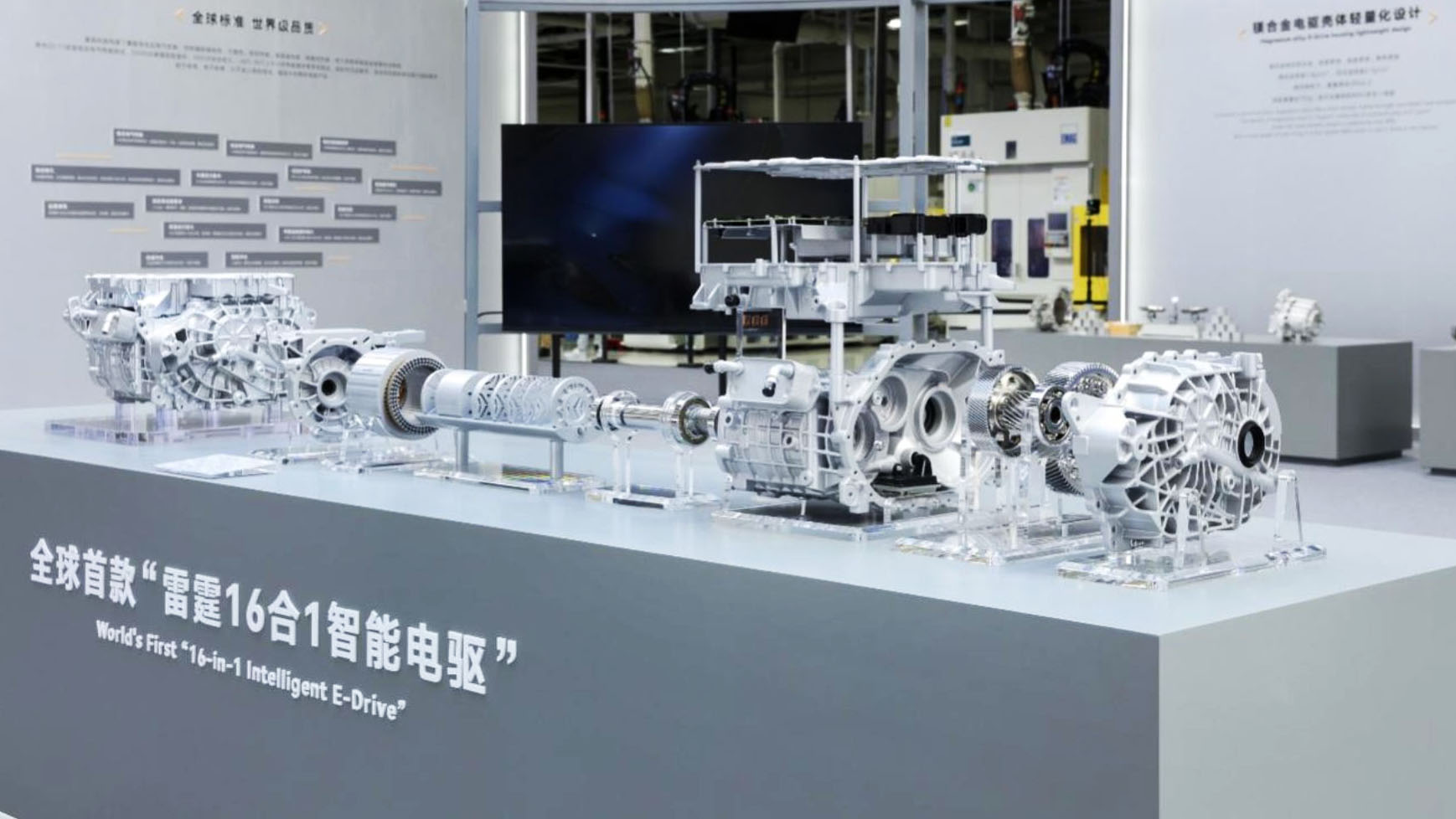
Geely Unveils 16-in-1 Electric Drive Unit: 75 kg, 93.8% Efficiency, and 570 HP
yesterday, 16:42
474
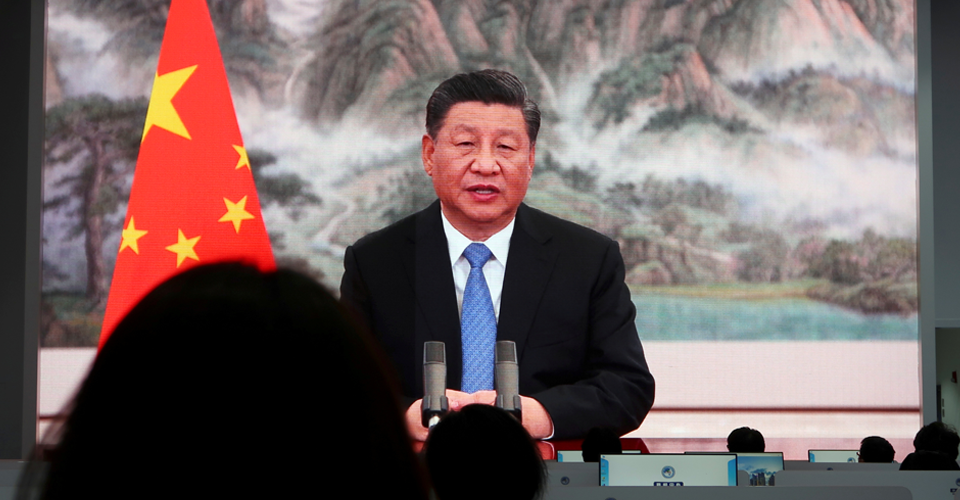
China Challenges US Dominance in AI: Xi Jinping Proposes a New Global Body
yesterday, 14:18
448
Society
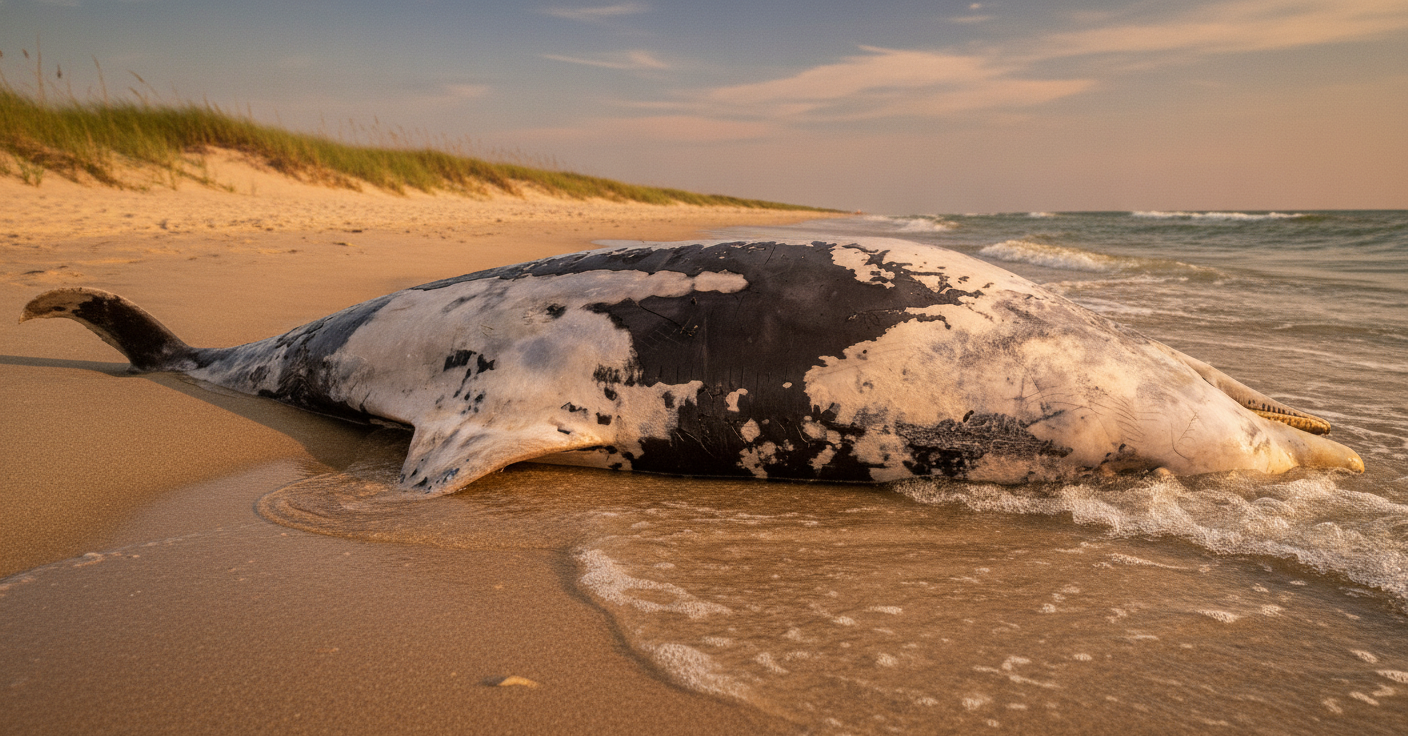

100,000 Dolphins Killed in the Black Sea – War Is the Main Cause
today, 13:24
283
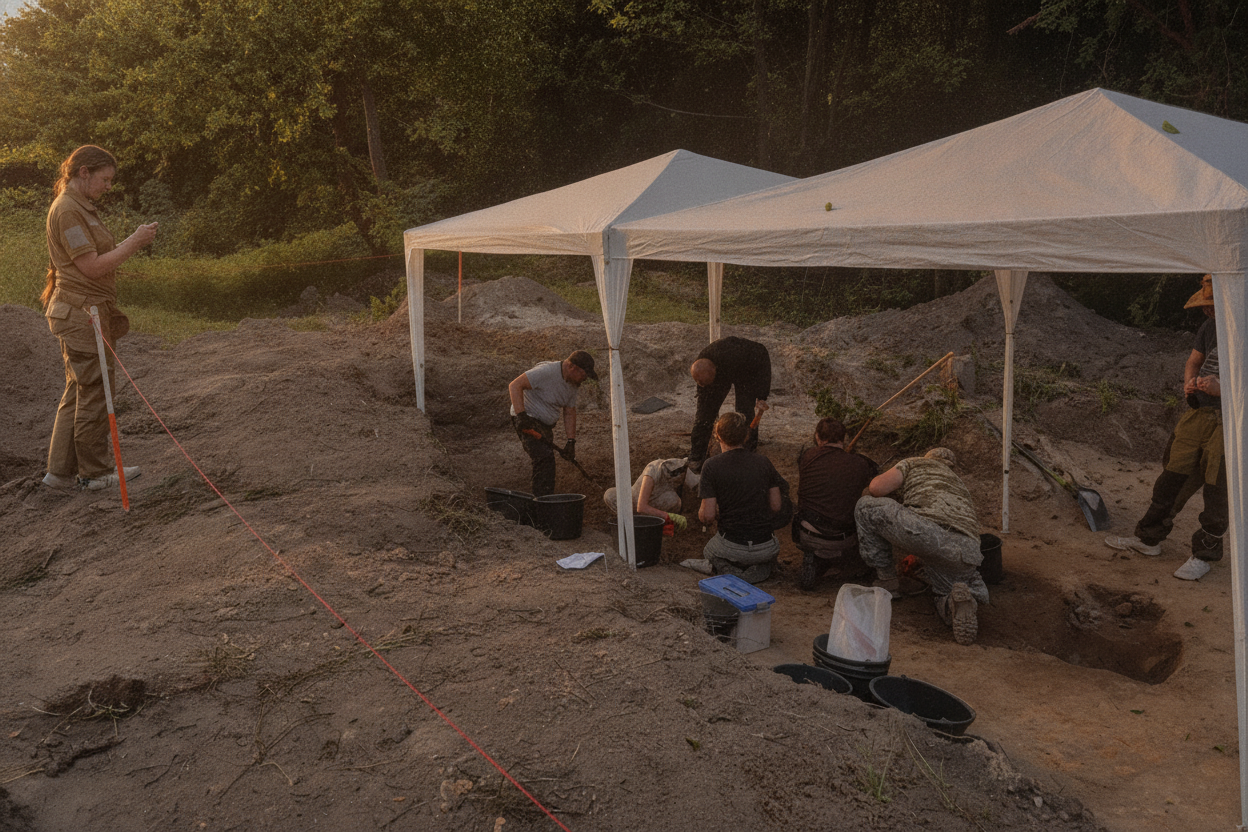
Crimes Against Ukrainians in Poland Surge to Shocking Levels
yesterday, 17:24
465
Why Historian Valeriy Vozgrin's Untold Story of the Crimean Tatars Matters Now
yesterday, 16:36
445