Sark Island: Home to the World's Smallest Prison and a Car-Free, Light-Pollution-Free Life.

The Unique Island of Sark
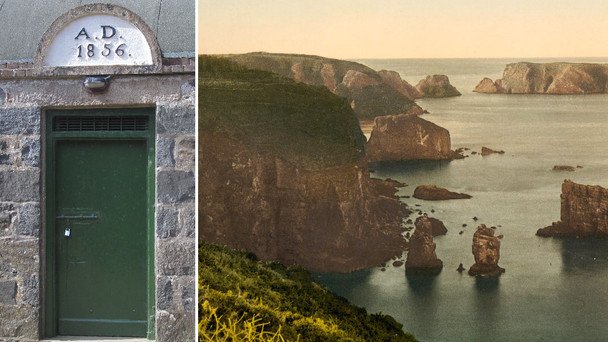
According to TSN.ua: With a population of around 600, the tiny island of Sark in the Channel Islands archipelago is a unique place to live, distinguished by its ban on cars and streetlights. This autonomous community, which has its own parliament and constitution, is also home to the world's smallest prison, constructed in 1856. The Channel Islands are British Crown Dependencies, located off the coast of Normandy, France, giving them a distinct historical and cultural blend.
History and Features of the Prison
The current functioning prison was built in 1856, though an earlier one dates back to 1588. Its cells are notably small, measuring 1.8 by 2.4 meters and 1.8 by 1.8 meters, and it is primarily used for overnight detentions. This reflects the island's specific approach to law and order within its compact community.
In 2011, Sark gained recognition as Europe's first 'Dark Sky Community,' highlighting its commitment to preserving the natural environment and combating light pollution. An observatory was officially opened in 2015, further enhancing the island's appeal to scientists and tourists. Sark is governed by a Constable and the Seigneur, ensuring its independent administration. It stands as a compelling example of how a small community can maintain its identity and traditions in the modern world.
Sark Island demonstrates a unique approach to preserving its culture and environment, serving as an important example for other regions seeking to maintain their authenticity in the face of globalization.
Despite the challenges related to governance and law enforcement, Sark remains not only a tourist attraction but also a place where traditions and natural values are preserved, making it a significant part of the cultural heritage of the Channel Islands.
Read also
- Bus Service to Poland via Shehyni Checkpoint to Halt for 18 Months Starting June 15, 2026
- Over 10 Odesa Beach Zones Certified and Ready for Summer Season
- Anticipating Summer Ticket Surge, Ukrainian Railways Shares Booking Tips
- Europe's Airports Face Six-Hour Queues: IATA Warns of New Crisis
- Malmo to Narvik by Night Train: Snälltåget Launches New Service with Fares and Schedule
- Ukrainians Struggle to Buy Train Tickets as Ukrzaliznytsia Rolls Out New Summer Schedule