Ukrainian Armed Forces Offensive in the Kursk Region: ISW Identifies Successful Directions.

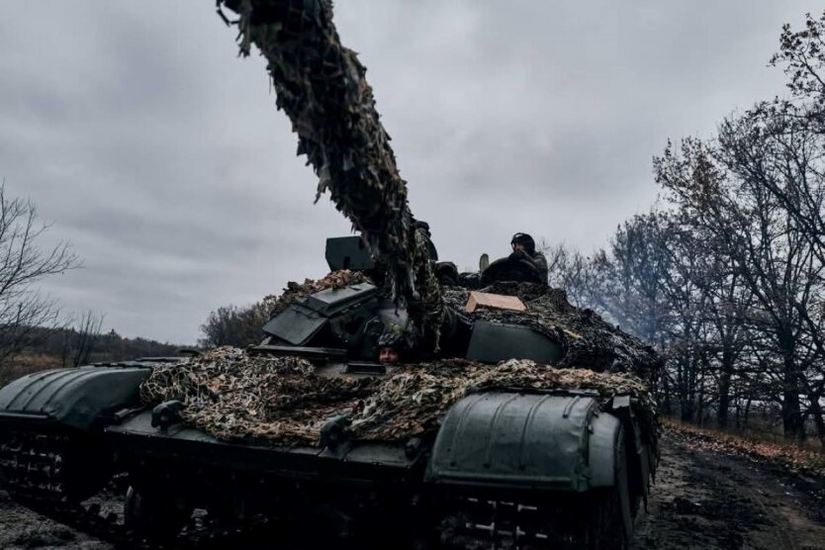
The Ukrainian Armed Forces are resuming offensive operations in the Kursk region
On January 5, the Armed Forces of Ukraine began offensive operations in the Kursk region. According to the Institute for the Study of War, there are successes, but Russian forces continue to advance.
According to Russian sources, the Ukrainian Armed Forces launched an attack with about a company of forces in the Berdyn-Novosotnytsky direction. A position near Pushkarny was also attacked.
The Ukrainian Armed Forces have seized the southern part of Berdyn and advanced into the fields south of it according to geolocation data.
Russian military correspondents published updated maps of the combat area, which show that the Ukrainian Armed Forces control some positions in the area, such as Cherkaskoye Porichne, Martynivka, Mykhailivka, Novosotnytske, Yamskyi Step, and Nova Sorochyny.
The Ukrainian Armed Forces are also conducting offensive operations in the Nikopol, Oleksandrivka, and Ruska Konopli areas. There is no information on extensive operations in these areas.
Russian military correspondents expressed concern that the actions of the Ukrainian Armed Forces may be a distraction and reported that this could be a warning of a future offensive in the region.
At the same time, Russian troops continue to advance to the southeast of Sudzha and counterattack against Ukrainian positions to the south of Korenevo and north of Sudzha.
Read also
- A Vatican Meeting Shifted Zelenskyy’s Relationship With Trump: What Happened at St. Peter’s Basilica
- Russian Missiles Minutes from Berlin: Germany's Foreign Minister Issues Stark Warning
- EU Approves 21st Russia Sanctions Package: Key Restrictions and Why It Falls Short of Expectations
- EU Adopts 21st Sanctions Package Against Russia: What It Means for Oil and Banking
- Zelensky Warns of Black Sea Grain Corridor Blockade as Ukraine Calls UN Security Council Meeting
- EU sanctions on Russia slow down as member states prioritize economic interests