NATO and Turkey Could Physically Block Russian Oil Exports, Cutting Off War Funds.

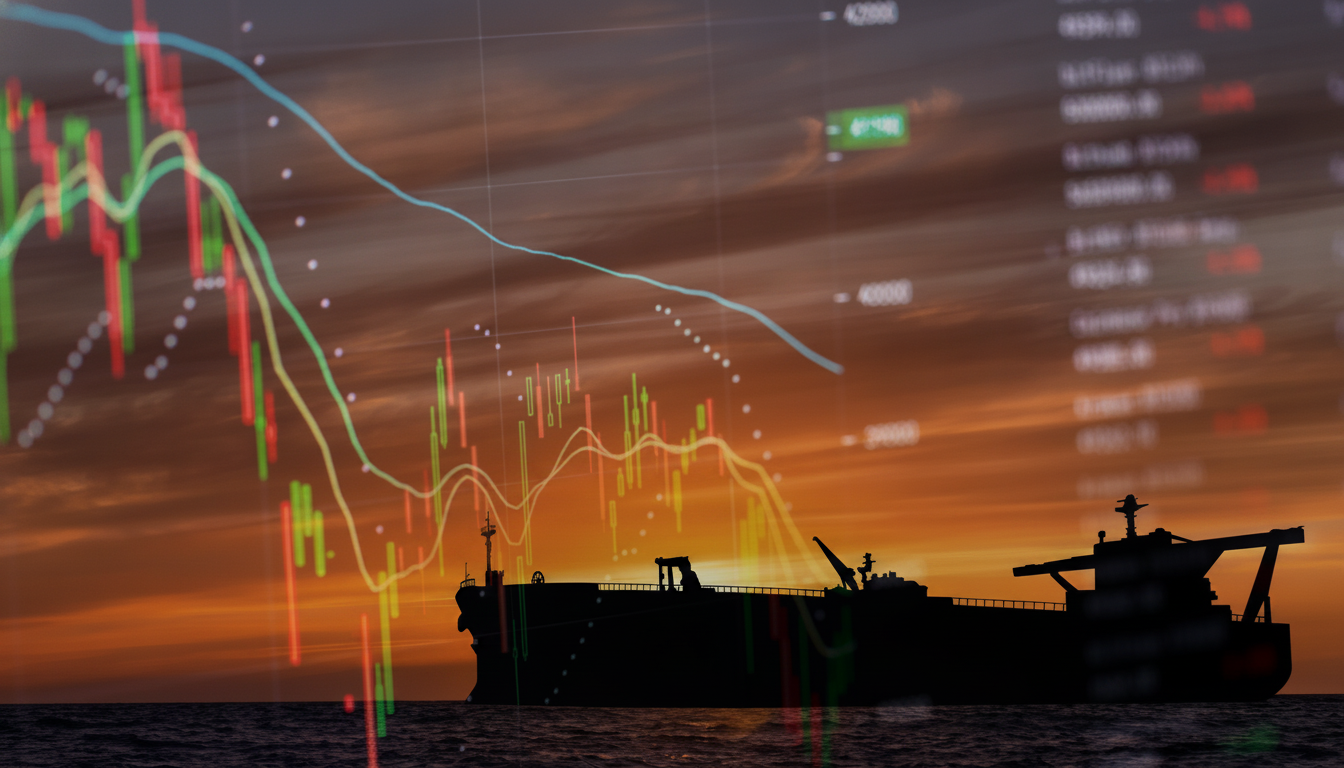
How Physical Blockade of Russian Oil Might Work
According to UATV: According to expert Vyacheslav Potapenko, a physical blockade of Russian oil exports could drastically reduce the Kremlin's ability to finance its war against Ukraine. He argues that this strategy requires coordinated action by NATO countries and Turkey. Potapenko emphasized that if the two key maritime routes were physically shut down—not through sanctions but by halting the actual flow of Russian oil—the funding for the war would vanish, as fighting without money is impossible.
Vyacheslav Potapenko, deputy director of the National Institute for Strategic Studies, noted that the necessary tools already exist. NATO members, particularly the United Kingdom and France, have stepped up efforts to intercept Russia's shadow fleet operating in the Baltic Sea. He stated that if Turkey joins these efforts, a unified allied stance could, within a few months, nearly cut off Russia's revenue from oil exports.
Turkey's Strategic Role and Potential Talks
Turkey controls tanker passage through the Bosphorus and Dardanelles straits, making it a pivotal player in this scenario. Currently, uninsured tankers not registered with Lloyd's International Register remain vulnerable to NATO actions. Potapenko stressed that combined efforts could lead to major changes in how Russia funds its aggression.
Beyond this, Turkey is ready to host negotiations between Ukraine and Russia, which could be a key step toward a peaceful resolution of the conflict. As the economic underpinnings of the war become increasingly critical, the issue of controlling energy exports takes on special significance.
Efforts to physically block Russian oil exports could mark a major milestone in the international community's push to reduce funding for Russian aggression. Given Turkey's strategic control over maritime routes, its involvement in these measures could dramatically shift the situation. Recognizing the economic dimensions of the conflict underscores the need for a comprehensive approach to the crisis, where diplomacy and economic sanctions work in close tandem.
Read also
- Zelensky and Top Military Command Outline Response Plan to Russian Strikes
- EU's New Sanctions Package Targets Crypto Platforms Used to Bypass Restrictions
- New directives for Ukraine's National Security and Defense Council: Zelenskyy assigns tasks to Umerov and Klymenko
- Ukraine Extradites Former Lawmaker Demchak in Major Push to Bring Back Suspects
- EU Adopts 21st Sanctions Package Against Russia: What the New Restrictions Target
- Lithuania Accuses EU Nations of Undermining Sanctions for Their Own Economic Gain