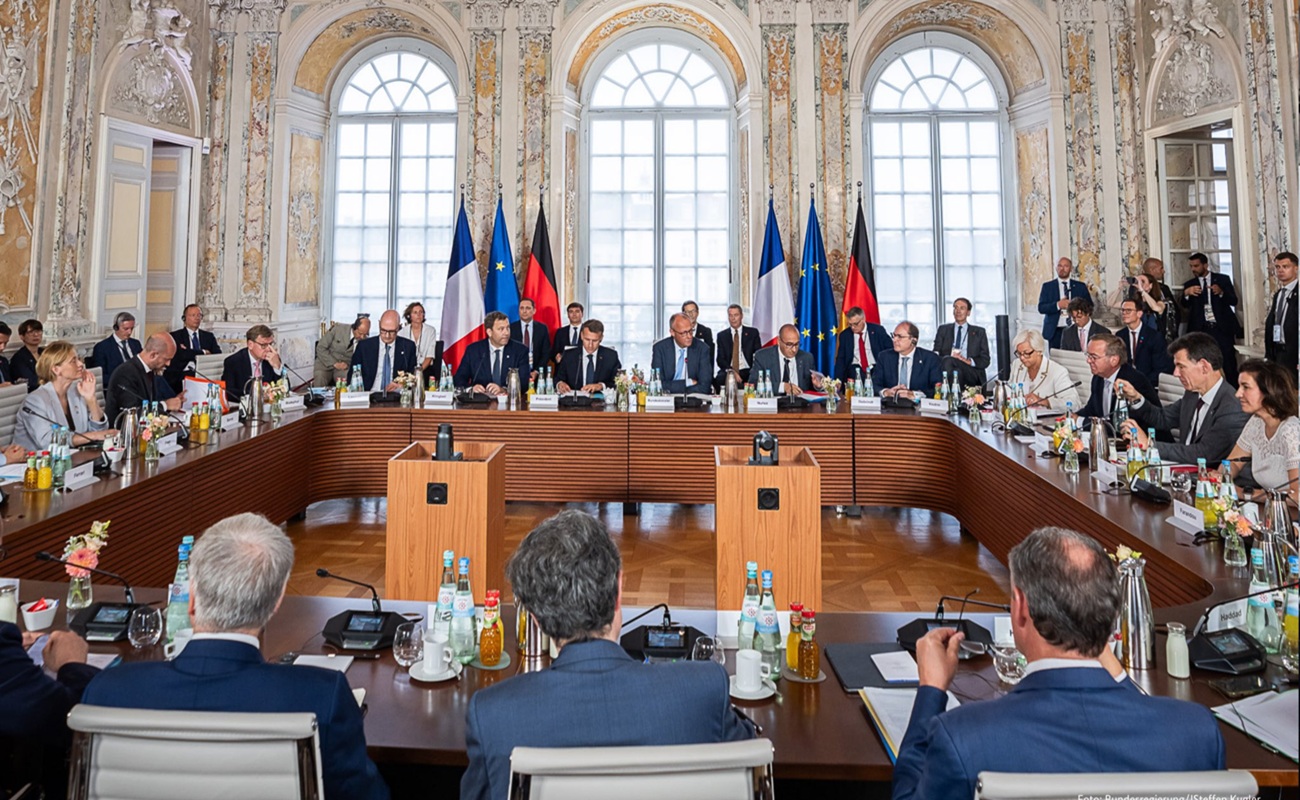
Zelenskyy Announces February Peace Talks in Switzerland, Names Key European Participants.

Switzerland to Host Peace Negotiations
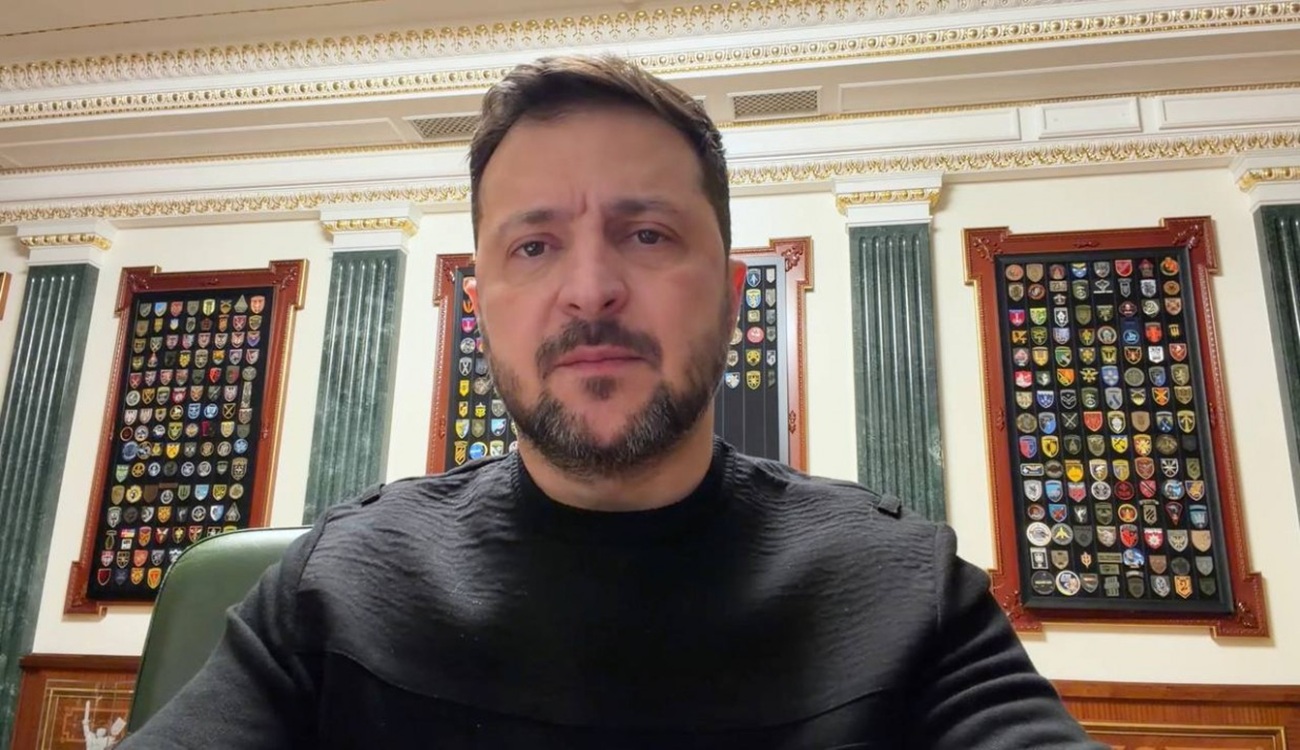
According to UATV: President Volodymyr Zelenskyy has announced a new round of peace talks scheduled for February in Switzerland, with the participation of key European nations. He emphasized the critical importance of having European representatives at the negotiating table. The countries Zelenskyy specifically listed as desired participants are:
- France
- The United Kingdom
- Germany
- Italy
- Switzerland
The scheduling of these talks for February underscores the role of a European platform in the peace process. This diplomatic push coincides with a separate trilateral meeting involving Ukraine, the United States, and Russia, which is set for February 17-18 in Geneva, Switzerland. These parallel efforts signal a significant intensification of diplomacy aimed at finding a path to end the ongoing conflict. The war in Ukraine, now approaching its third year, has created a major geopolitical and humanitarian crisis in Europe.
'Peace negotiations must take place in Europe' Volodymyr Zelenskyy
The Swiss-hosted negotiations could mark a pivotal stage in international efforts to resolve the war. The involvement of major European powers highlights their role in supporting regional stability and providing necessary security assurances. This flurry of diplomatic activity may indicate a renewed desire among parties to explore compromises and restore stability, which could positively influence the situation in Ukraine and its relations with neighboring states.
Read also
- Ukrainian Drone Strikes Hit Four Russian Vessels and 13 Substations: What It Signals
- Russia Spent Days Preparing Kyiv Attack, Zelensky Says
- Ukraine’s Strikes Trigger Fuel Crisis as Russia Loses 40% of Oil Refining Capacity
- Zelenskyy Urgently Calls for More Air Defense Missiles After Ukraine Downs 18 Rockets and 100 Drones
- Ukraine’s ‘MoLoChKa’ Campaign Cripples Russian Logistics and Hits 172 Vessels
- Military Strategy Meeting: Zelenskyy Reviews Frontline Defenses with Top Commanders