EU Considers Fresh Sanctions on Russia: Banning Tanker Services and Fertilizer Imports.

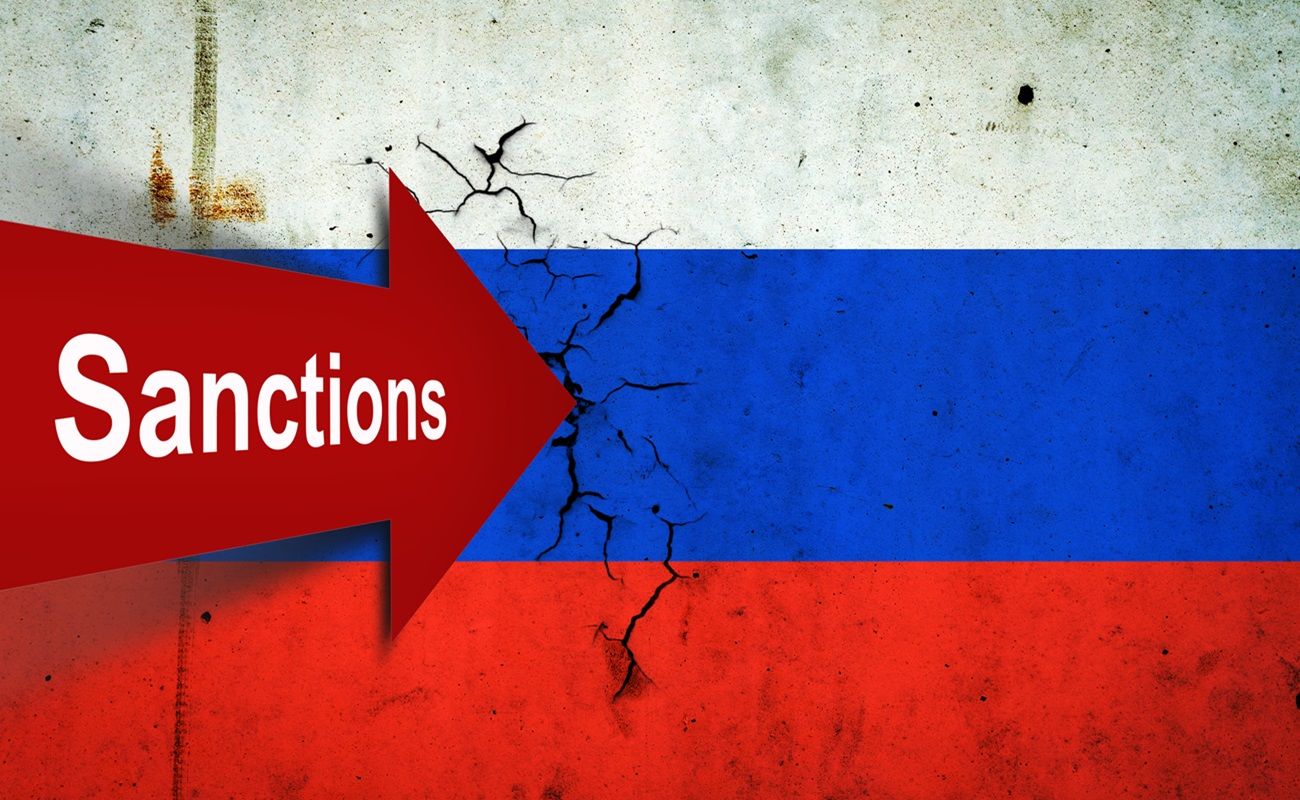
Finland and Sweden Propose New Sanctions Against Russia
According to UATV: Finland and Sweden have put forward new proposals for EU sanctions targeting Russia. These measures include a ban on providing maritime services to Russian oil tankers and a prohibition on importing Russian fertilizers into the European Union. These initiatives come as the war in Ukraine continues, with officials from both nations stressing the urgent need to increase economic pressure on Moscow. The EU has been progressively tightening its sanctions regime since the full-scale invasion began in 2022.
Estonia has also called for the 20th sanctions package to be accelerated, highlighting the importance of a swift response as Russia's aggression persists. The new package is expected to contain robust measures, particularly against tankers, a position supported by French authorities. Specifically, Maria Malmer Stenergard emphasized that the pressure must be designed to maximally impact Moscow's crucial energy revenues.
Economic Impact and EU Unity
Russia's revenue from oil exports fell by 20% in 2024, signaling the economic strain the country is facing. Concurrently, in 2025, Russia exported over 25 tons of gold to China, with the value of this metal's exports rising to $3.29 billion. This highlights another trade avenue that could come under pressure from new sanctions. The gold trade is seen by analysts as a potential financial lifeline for the Kremlin.
The stances of EU member state representatives demonstrate a unified front on sanctions. Petras Mačinka noted that as long as the war continues, there are no grounds for easing restrictions. Therefore, the new initiatives from Finland and Sweden could become a key component of the EU's strategy in responding to Russia's aggressive actions.
These proposed sanctions reflect the growing concern among EU nations regarding Russia's military campaign and its economic repercussions. Strengthening sanctions could further impact the Russian economy, which is already experiencing difficulties from reduced oil export income. Simultaneously, the increase in gold exports to China indicates that Russia continues to seek new markets to sustain its economic position despite international pressure.
Read also
- Zelensky and Top Military Command Outline Response Plan to Russian Strikes
- EU's New Sanctions Package Targets Crypto Platforms Used to Bypass Restrictions
- New directives for Ukraine's National Security and Defense Council: Zelenskyy assigns tasks to Umerov and Klymenko
- Ukraine Extradites Former Lawmaker Demchak in Major Push to Bring Back Suspects
- EU Adopts 21st Sanctions Package Against Russia: What the New Restrictions Target
- Lithuania Accuses EU Nations of Undermining Sanctions for Their Own Economic Gain