Crimea's Red Book Updated by Occupation Authorities, Altering Status for Over 800 Species.

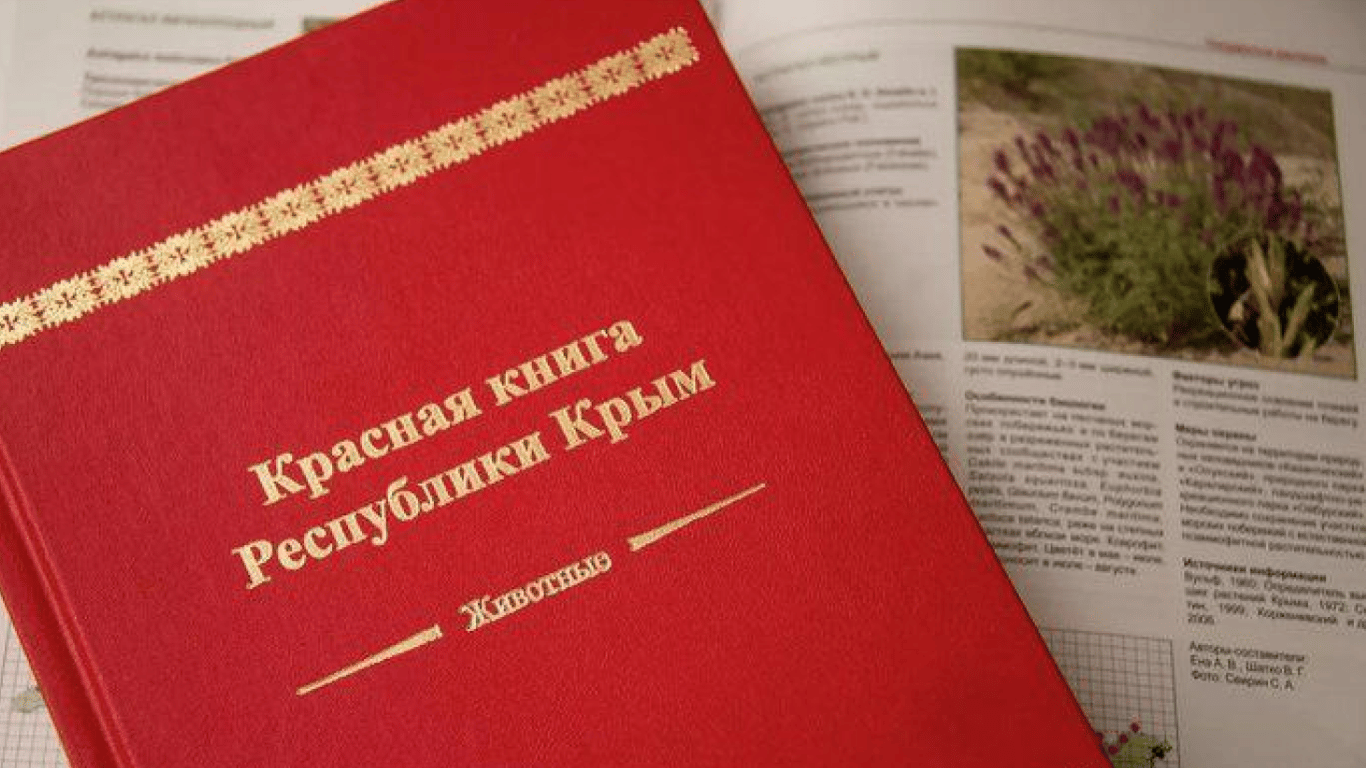
Revised Edition of Crimea's Red Book
According to Novyny.live: The Russian occupation authorities in Crimea have issued a new edition of the peninsula's Red Book, altering the protected status of more than 800 species of flora and fauna. The total number of species listed has reached 832, indicating a significant shift in the region's environmental protection policies. The Red Book is a critical document that lists endangered and protected species, and such unilateral revisions are highly controversial under international law.
Specifically, the list of protected animals has grown from 370 to 400 species, while the list of plants and fungi has increased from 405 to 432 entries. However, several species were removed from protection in this updated version, including:
- Lily of the valley (Convallaria majalis)
- Alpine squill (Scilla bifolia)
- Hedgehog-headed lamium (Lamium echinocephalum)
- Blood-red milkcap mushroom (Lactarius sanguifluus)
These removals have provoked outrage among ecologists and scientists.
Potential Consequences of the Changes
Environmental expert Vladyslav Balinsky stated that these actions are illegal, as they require lengthy and thorough scientific research to justify. He further emphasized that the changes could be part of a strategy to alter land-use designations, potentially paving the way for future construction and development on these territories.
The revision of Crimea's Red Book has raised alarm among conservation organizations, which argue it could have a detrimental impact on the peninsula's unique ecosystem. Experts also stress the necessity for detailed, peer-reviewed studies to validate any changes to species' conservation status.
These amendments underscore the critical importance of preserving biodiversity and raise serious questions about the legitimacy of the occupying administration's actions. Ecologists and researchers are calling for open and transparent scientific assessments to ensure reliable protection for the region's natural resources, given the unique and vulnerable nature of Crimea's ecosystems, which may now be at greater risk due to these inadequately justified revisions.
Read also
- Forthcoming Proposal Aimed at Ending Aerial Strikes Being Drafted by Ukraine and the United States – What to Know
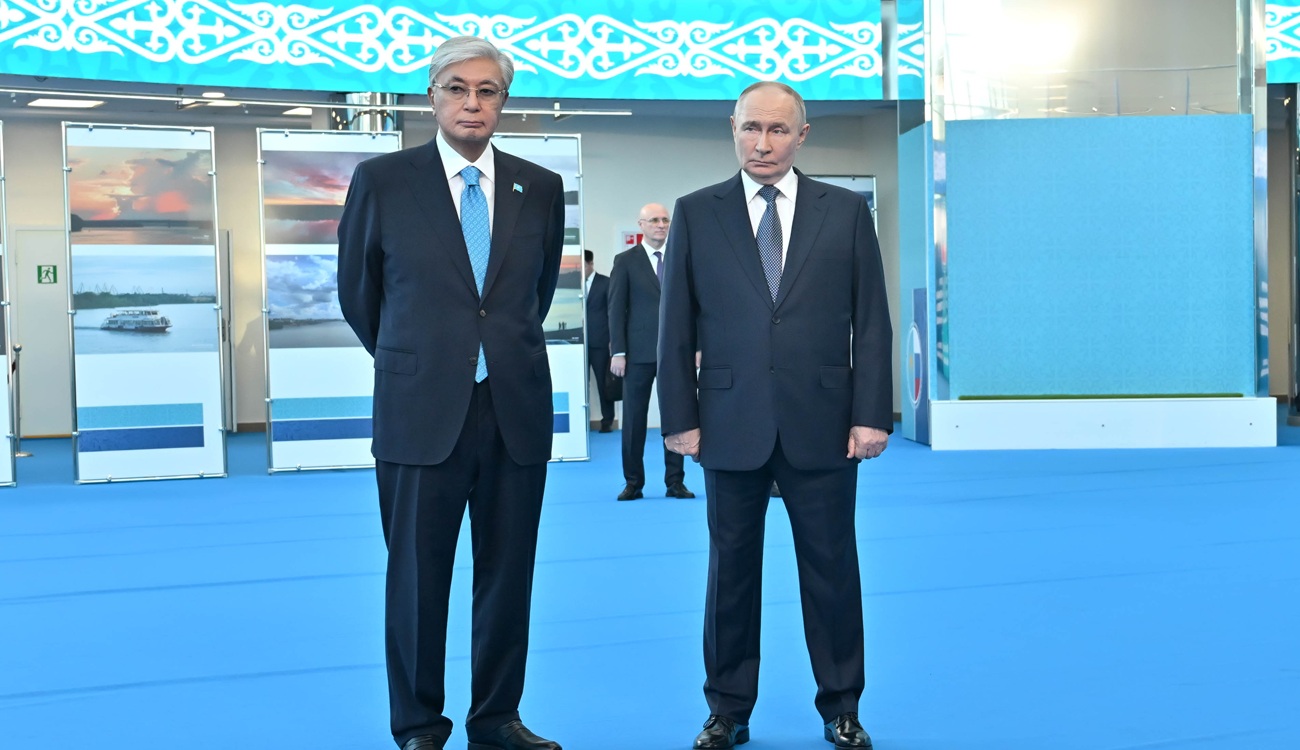
- Peace Appeal From Kazakh Leader During Putin Meeting
- Tokaev told Putin: the reasons for the war in Ukraine are unclear
- Over 1,000 Drone Strikes Carried Out as Zelenskyy Announces Completion of Long-Range Strike Plan
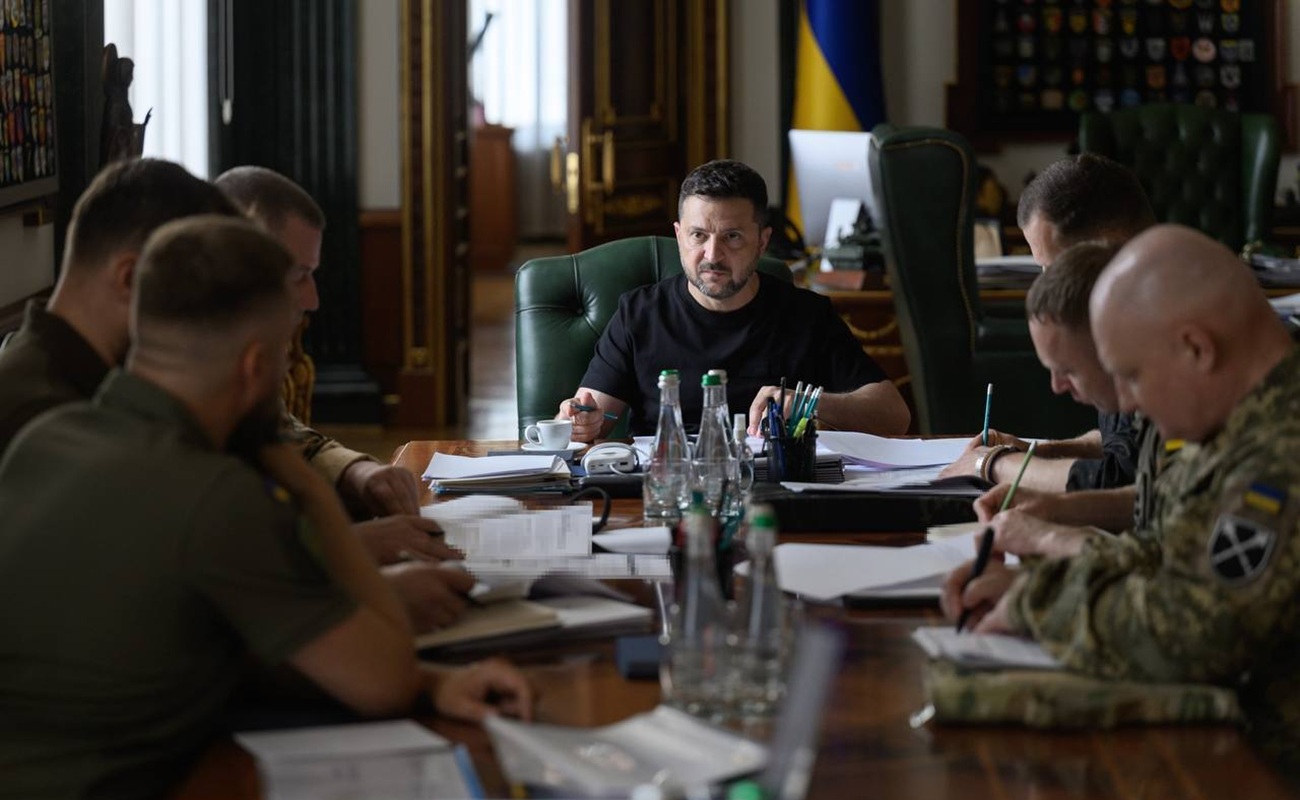
- Zelensky and Top Military Command Outline Response Plan to Russian Strikes
- EU's New Sanctions Package Targets Crypto Platforms Used to Bypass Restrictions