Ukraine's 2026 Pension Reform: New Service Requirements and Senior Benefits.

Ukraine's Pension Law Changes Effective 2026
According to Novyny.live: Significant amendments to Ukraine's pension legislation will take effect on January 1, 2026, altering the rules for age-based retirement. These reforms are part of a broader effort to ensure the long-term sustainability of the social safety net. Under the new requirements, citizens will need a minimum of 33 years of official service to retire at age 60. Those with at least 23 years of service can retire at 63, while a retirement age of 65 will apply to individuals with a minimum of 15 years of service.
Benefits and Concessions for Retirees
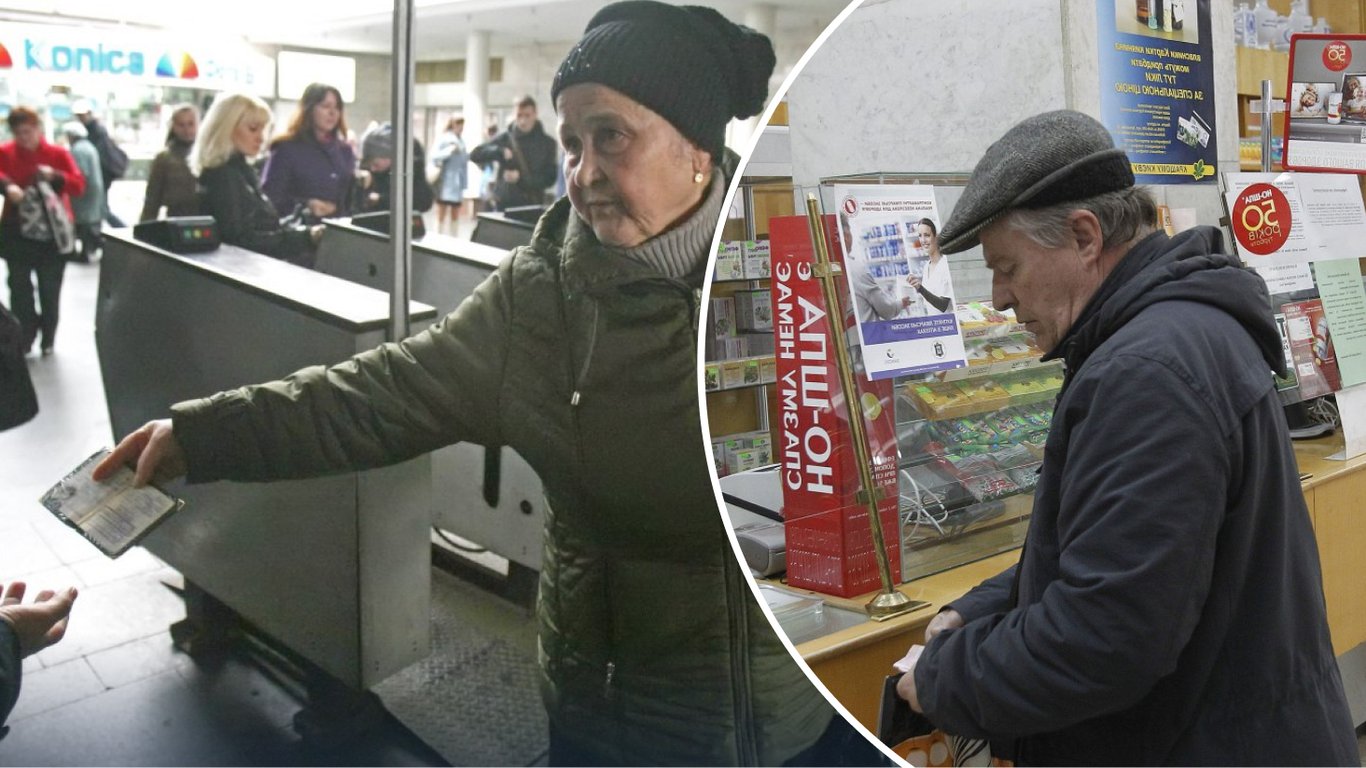
Alongside the new pension rules, a series of benefits and discounts are being introduced for retirees. Notably, all pensioners will be entitled to free travel on municipal and suburban public transport. Furthermore, pensioners and individuals with disabilities of groups I–II will be exempt from paying land tax on specific types of plots. To qualify for these benefits in 2026, a pensioner's average monthly income must not exceed 4,660 hryvnias.
Additionally, pensioners will have access to free medical services. However, there is a concerning risk that, starting April 1, 2026, a portion of Ukrainians may lose their pension payments, which has caused anxiety among the population.
It is important to note that the new provisions affect not only pension payments but also social benefits. For pensioners currently receiving utility subsidies, the situation is expected to remain unchanged, though specific details still require clarification. Overall, these legislative changes aim to adapt Ukraine's pension system to modern economic realities and ensure social protection for elderly citizens.
These pension law amendments could significantly impact social stability in Ukraine, as the new service requirements may increase the number of people unable to retire at the expected time.
The introduction of new benefits for retirees signals the state's intent to strengthen social protection for this vulnerable demographic. At the same time, the potential risk of suspended pension payments in certain cases could create additional social tensions, necessitating careful monitoring and response from government authorities.
Read also
- War Transformed Her Life: Donetsk Teacher Creates Ukraine’s Largest Embroidered Shirt
- Kids Pick a Backpack in Seconds: What School Bags Must Offer in 2026
- Why Displaced Residents of Mariupol Face Barriers to Housing Compensation
- Kyiv Electric Train Prices Increase from July 22: Fare Will Rise to 37 Hryvnias
- Russia Fines Residents for Storing Gasoline in Garages Amid Fuel Shortages
- Why Internally Displaced People in Ukraine Can't Get Mortgages: A Key Obstacle Identified