U.S. to Reduce Role in 30 NATO Advisory Groups, Raising Questions for European Security.

U.S. Military Drawdown from NATO Committees
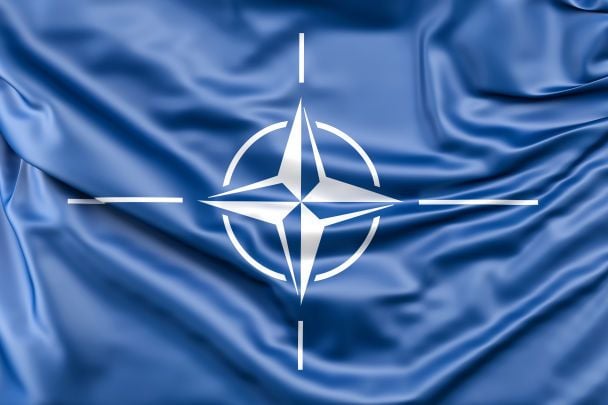
According to TSN.ua: The Pentagon has announced plans to gradually reduce the participation of U.S. military personnel in approximately 30 NATO advisory and consultative groups, affecting roughly 200 service members. This move is part of the Trump administration's broader policy to decrease the American military footprint in Europe. The withdrawal will not be immediate and could take several years to complete.
Currently, there are over 80,000 U.S. troops stationed in Europe. The groups affected include expert and advisory committees dealing with:
- energy security
- maritime operations
- special operations
- intelligence
This reduced U.S. involvement could impact the level of cooperation among NATO allies and the overall security architecture of the region. The shift comes at a time when the alliance is reassessing its posture in response to evolving threats.
European Initiatives in a Shifting Landscape
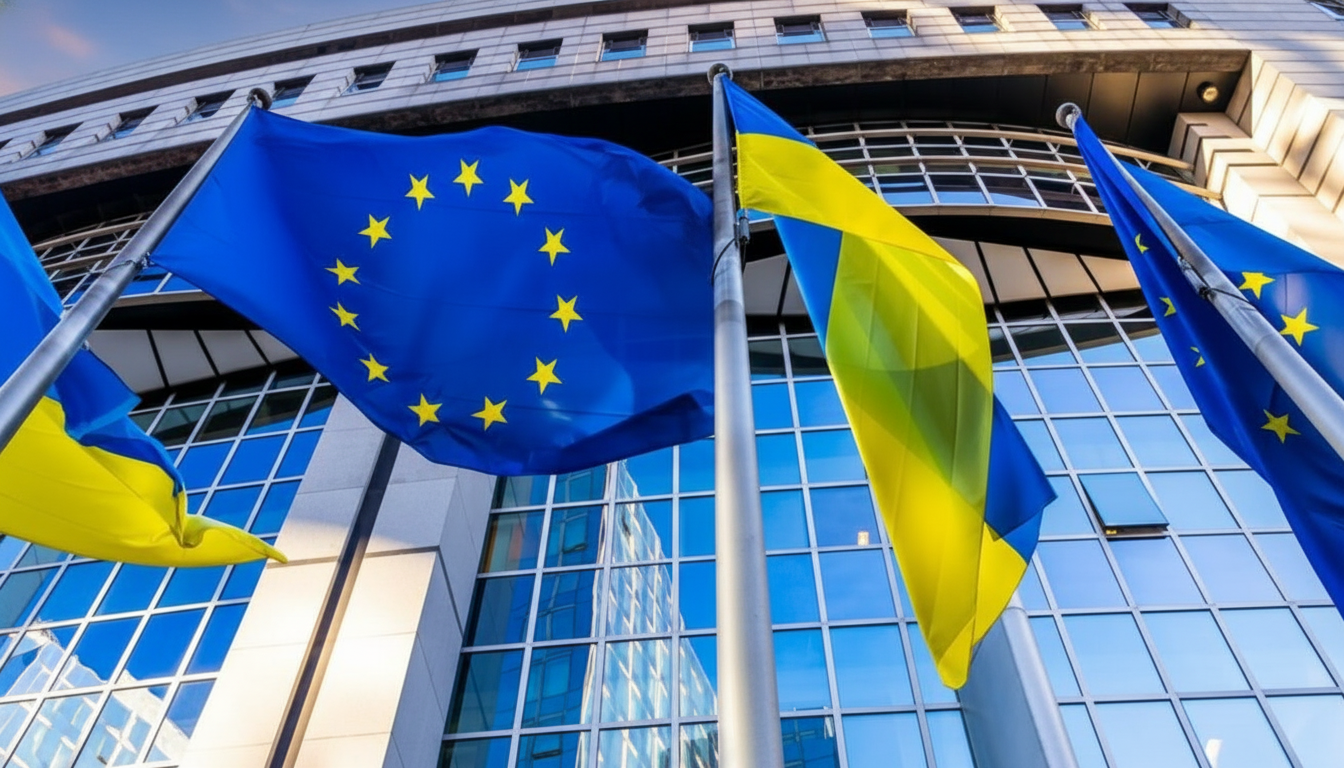
In response to these changes, European Commissioner for Defence, Andrius Kubilius, has proposed the creation of a 100,000-strong EU military force. Additionally, Spanish Foreign Minister José Manuel Albares has called for the establishment of a dedicated European Union army. These initiatives signal a growing European ambition to bolster its own defense capabilities as U.S. military engagement potentially wanes.
The scaling back of the American military presence in Europe could become a significant factor in shaping a new security strategy for both NATO and the EU. Faced with increasing security challenges, European nations may be compelled to explore new avenues for meeting their defense requirements, potentially leading to greater integration in this sphere. This trend also reflects a shift in global geopolitics, with Europe seeking greater strategic autonomy in security matters.
Read also
- US Skepticism Greets China’s Peace Plan: Can a Ceasefire Actually Happen?
- Ukraine’s Ombudsman Secures Prisoner Return Deal with Russia: First 186 Freed
- First EU Accession Negotiation Cluster Launched by Ukraine: Understanding the 'Fundamentals'
- Putin Responds to Zelensky's Letter: What He Said About a Meeting and Russia's War Aims
- Slovakia Backs Opening EU Accession Negotiation Clusters for Ukraine
- Georgia's Government Has Adopted Moscow's Stance on Ukraine, Says Zurabishvili