Why the January 29th Talks with Russia Are Unlikely to Yield a Breakthrough.

Ukraine-Russia Negotiations
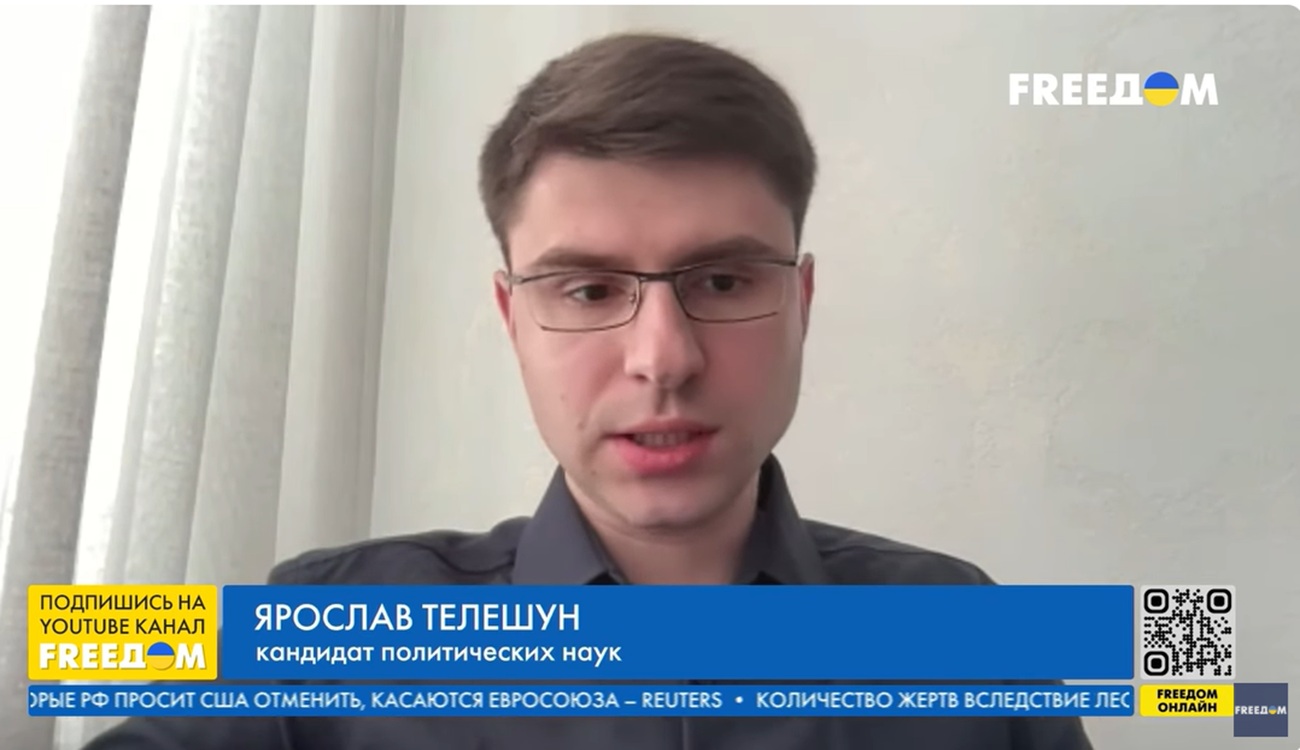
According to UATV: Talks between Ukraine and Russia, scheduled for January 29, are not expected to produce significant progress. Political science candidate Yaroslav Teleshun highlights that key unresolved issues, particularly territorial disputes and the status of the Zaporizhzhia Nuclear Power Plant, remain complex and are unlikely to be settled in a single meeting.
Teleshun notes that the territorial question is especially sensitive. He expressed doubt about the possibility of reaching substantial agreements in a short timeframe:
“I do not believe such a substantial and difficult issue as the territorial one will be resolved within the framework of a single meeting this weekend.”
Yaroslav Teleshun
This indicates that even with a willingness among negotiators to compromise, existing disagreements may prove insurmountable.
Furthermore, Teleshun points to the position of the United States, which is distancing itself from direct participation in the talks. He noted that:
“The American side has stated it will not participate directly.”
Yaroslav Teleshun
This could influence the dynamics of the negotiation process. In turn, Russia is currently not demonstrating a readiness to make any concessions, which also complicates the potential for progress in the talks.
Thus, preliminary assessments of the January 29 negotiations suggest a major breakthrough should not be expected, as the core issues remain open and are not simple to resolve.
The Significance of the Talks
Negotiations between Ukraine and Russia are critically important within the context of the current regional situation, as they could influence the further development of the conflict and international relations. These talks are being closely watched by Western allies who are providing military and diplomatic support to Ukraine. Unresolved questions, such as:
- territorial integrity
- the safety of nuclear facilities
remain vital for regional stability. A lack of progress at the negotiating table could lead to a further escalation of tensions, making observation of these events essential for all interested parties.
Read also
- Zelensky and Top Military Command Outline Response Plan to Russian Strikes
- EU's New Sanctions Package Targets Crypto Platforms Used to Bypass Restrictions
- New directives for Ukraine's National Security and Defense Council: Zelenskyy assigns tasks to Umerov and Klymenko
- Ukraine Extradites Former Lawmaker Demchak in Major Push to Bring Back Suspects
- EU Adopts 21st Sanctions Package Against Russia: What the New Restrictions Target
- Lithuania Accuses EU Nations of Undermining Sanctions for Their Own Economic Gain