Abu Dhabi Talks: Assessing the Outcome of Ukraine-U.S. Discussions with Russia.

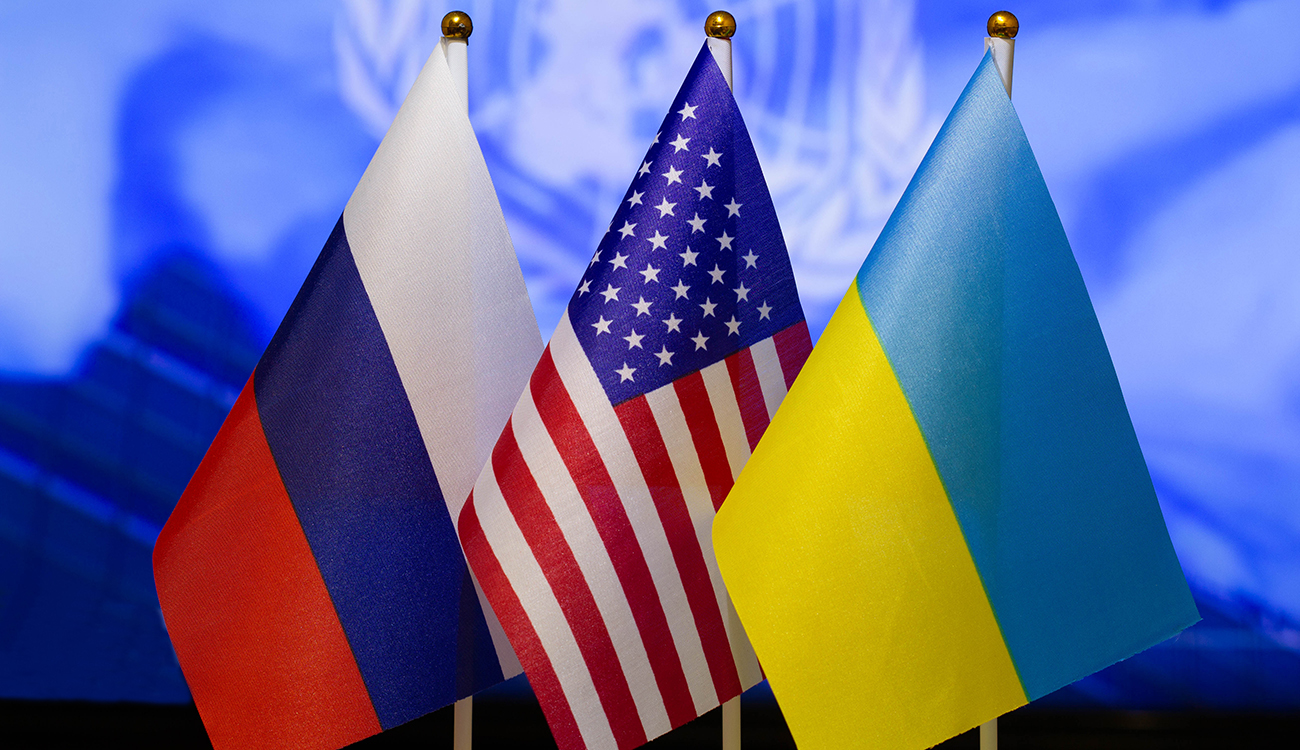
Ukraine, U.S., and Russia Hold Talks in Abu Dhabi
According to UATV: Discussions between Ukraine, the United States, and Russia, held in Abu Dhabi, yielded positive results on humanitarian issues, though core disputes remain unresolved. According to the planned schedule, a second round of talks has been postponed to February 4-5.
This first round of negotiations took place against the backdrop of Russia's ongoing war against Ukraine. Despite some progress on humanitarian aspects, the main points of a potential peace agreement are still unsettled. These talks represent a rare instance of direct diplomatic engagement since the full-scale invasion began.
Dr. Anna Malkina, a Professor of Political Science at Taras Shevchenko National University of Kyiv, noted that 'there are fundamental questions for which solutions and compromises have not been reached.'
This underscores the complexity of the situation and the need for continued work to resolve the conflict. Malkina also pointed out that the date for the next round could be 'revised at any moment, as the parties need to show some result.' This indicates the sides are under pressure to demonstrate progress, even if substantive breakthroughs remain elusive.
She emphasized that 'he is determined to deprive Ukraine of its right to exist as a sovereign, independent state.'
This highlights the seriousness of Russia's stated position. However, despite the difficulties, Malkina observed that 'in any case, the attempt is not a bad thing.' This suggests that even the attempt to negotiate is a positive step in the context of seeking peace. Thus, while the principal issues are unresolved, the Abu Dhabi talks open avenues for further work on the peace process.
Prospects for Future Negotiations
The talks in Abu Dhabi between Ukraine, the U.S., and Russia, while not producing major decisions, demonstrate attempts to find compromise in a highly complex situation. Progress on humanitarian matters could form a basis for further discussion, while the openness to new rounds of talks signals the parties' intent to continue the dialogue.
It is crucial that subsequent meetings find clear solutions to the key unresolved issues, as this could significantly influence the future trajectory of the conflict. The international community is closely watching whether these diplomatic channels can translate into tangible de-escalation.
Read also
- Zelensky and Top Military Command Outline Response Plan to Russian Strikes
- EU's New Sanctions Package Targets Crypto Platforms Used to Bypass Restrictions
- New directives for Ukraine's National Security and Defense Council: Zelenskyy assigns tasks to Umerov and Klymenko
- Ukraine Extradites Former Lawmaker Demchak in Major Push to Bring Back Suspects
- EU Adopts 21st Sanctions Package Against Russia: What the New Restrictions Target
- Lithuania Accuses EU Nations of Undermining Sanctions for Their Own Economic Gain