The 1963 Discovery of Derinkuyu: From a House Renovation to an Archaeological Sensation.

From Accidental Find to World Heritage: The Story of Derinkuyu's Subterranean City
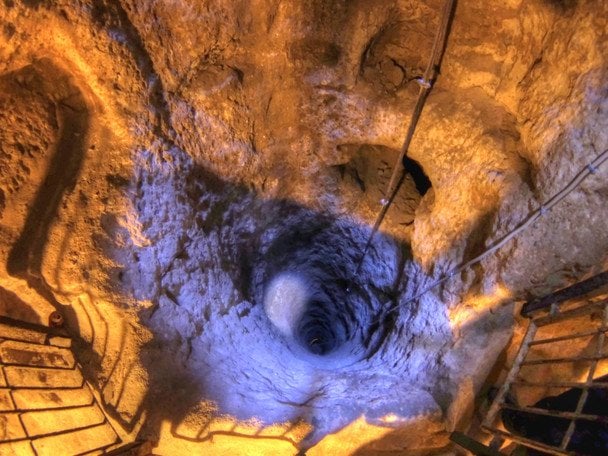
According to TSN.ua: During a routine house renovation in central Turkey in 1963, workers stumbled upon the entrance to Derinkuyu, an underground city that would become one of the 20th century's most significant archaeological discoveries. Carved directly into the volcanic rock, this multi-level complex descends roughly 85 meters and comprises 18 distinct floors, astounding researchers with its architectural sophistication and historical depth.
At its peak, Derinkuyu could shelter up to 20,000 people. Its vast network of tunnels and chambers included:
- residential quarters
- kitchens
- storage rooms
- wells
- stables
- wine cellars
- burial chambers
Primarily used as a refuge during wars and persecutions, the city's strategic importance spanned numerous historical eras. Its earliest origins are linked to the Hittites or Phrygians, with later use by Persians of the Achaemenid Empire. This site is part of the Cappadocia region, famed for its otherworldly landscapes and rock-cut architecture.
Derinkuyu also provided sanctuary for early Christians fleeing Roman oppression. From the 8th to the 12th centuries, it served as a hideout for Arab Muslims, and after the 14th-century Mongol invasions, it became a refuge for local Christians once more. Today, Derinkuyu is a major tourist attraction and a UNESCO World Heritage Site, drawing global visitors captivated by its unique history and engineering.
The discovery of Derinkuyu has profoundly contributed to our understanding of the architectural and cultural traditions of ancient civilizations in modern-day Turkey. It stands as a powerful testament to human adaptation, showing how architecture can be leveraged not just for comfort, but for survival. Ongoing research continues to uncover new insights into the lives and customs of its long-ago inhabitants.
Read also
- Bus Service to Poland via Shehyni Checkpoint to Halt for 18 Months Starting June 15, 2026
- Over 10 Odesa Beach Zones Certified and Ready for Summer Season
- Anticipating Summer Ticket Surge, Ukrainian Railways Shares Booking Tips
- Europe's Airports Face Six-Hour Queues: IATA Warns of New Crisis
- Malmo to Narvik by Night Train: Snälltåget Launches New Service with Fares and Schedule
- Ukrainians Struggle to Buy Train Tickets as Ukrzaliznytsia Rolls Out New Summer Schedule