Russia to Raise Value-Added Tax to 22% in 2026: Economic Implications.


VAT Increase in the Russian Federation
According to UATV: The Value-Added Tax (VAT) rate in the Russian Federation is set to rise from 20% to 22% in 2026. This policy shift comes as the government seeks to address a deteriorating economic situation, exacerbated by international sanctions and declining revenues from oil exports. This move is a significant fiscal adjustment for a major global economy. Expert analysis suggests this change could substantially impact the national budget, especially given the severe depletion of the National Welfare Fund.
Russia's Economic Context
The economic outlook for Russia is a cause for significant concern. Oleg Pendzin, an expert who spoke on the FREEDOM TV channel on February 1, 2023, noted that American competitors are actively displacing Russian suppliers from the oil market, leading to a reduction in sales volumes of Russian crude. In 2022, the total value of the National Welfare Fund stood at 12.5 trillion rubles, but its assets have since dwindled, now holding only about 100 tons of gold compared to a previous 550 tons.
By 2025, direct revenues from oil exports are projected to constitute 35% of the Russian federal budget, underscoring this sector's critical role in funding state expenditures. However, with the volume of Russian oil sales expected to continue falling, the budgetary situation is becoming critical. Pendzin also stated that Russian authorities are attempting to cover the budget deficit by raising taxes, but this is unlikely to improve the economic situation, which may instead worsen further.
The VAT hike is likely to place an additional burden on citizens, as it will lead to increased prices for goods and services. Under these conditions, it is crucial to monitor subsequent changes in the country's economic policy and their impact on public welfare.
Raising the VAT could intensify existing economic hardships for Russian citizens, who are already contending with inflation and a declining standard of living. With oil export revenues—a primary source of budget income—shrinking, Russia must find new ways to finance its expenditures, potentially leading to further changes in the tax system and social policy.
Oleg Pendzin: 'Americans are actively displacing Russians from the oil market, which leads to a reduction in sales volumes of Russian oil.'
Read also
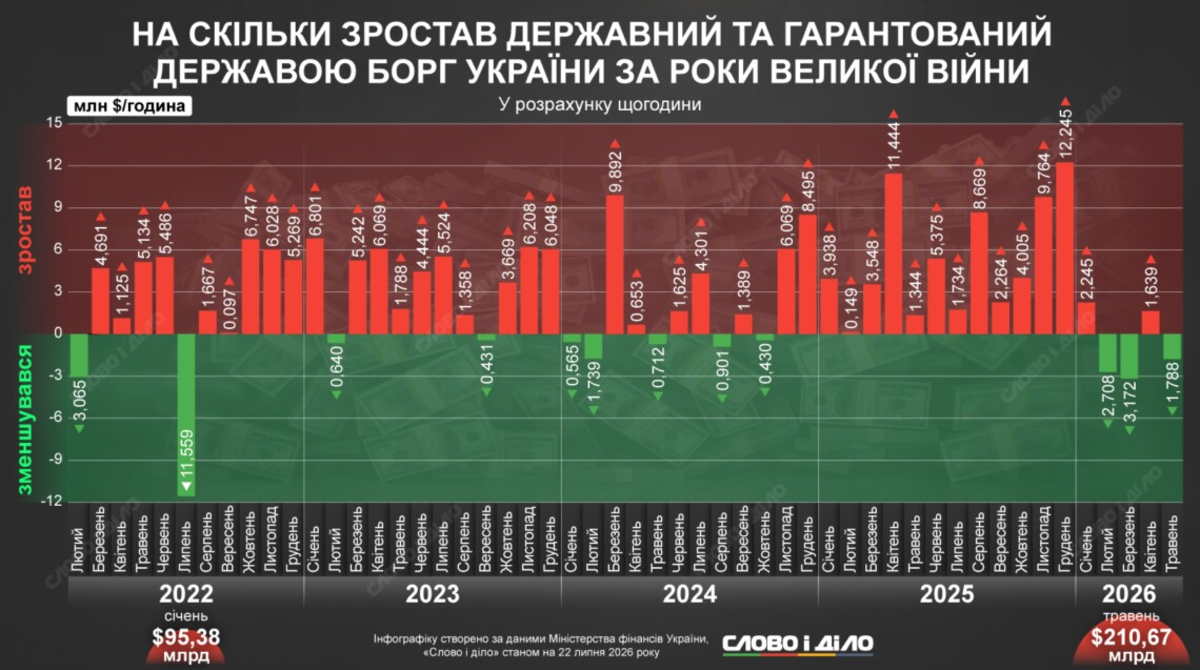
- Ukraine's Debt Surpasses $210 Billion: A Breakdown of Hourly Fluctuations
- UK Greenlit to Join EU's €90 Billion Loan Program for Ukraine
- Online Lending in Ukraine: Key Rules for Staying Financially Safe
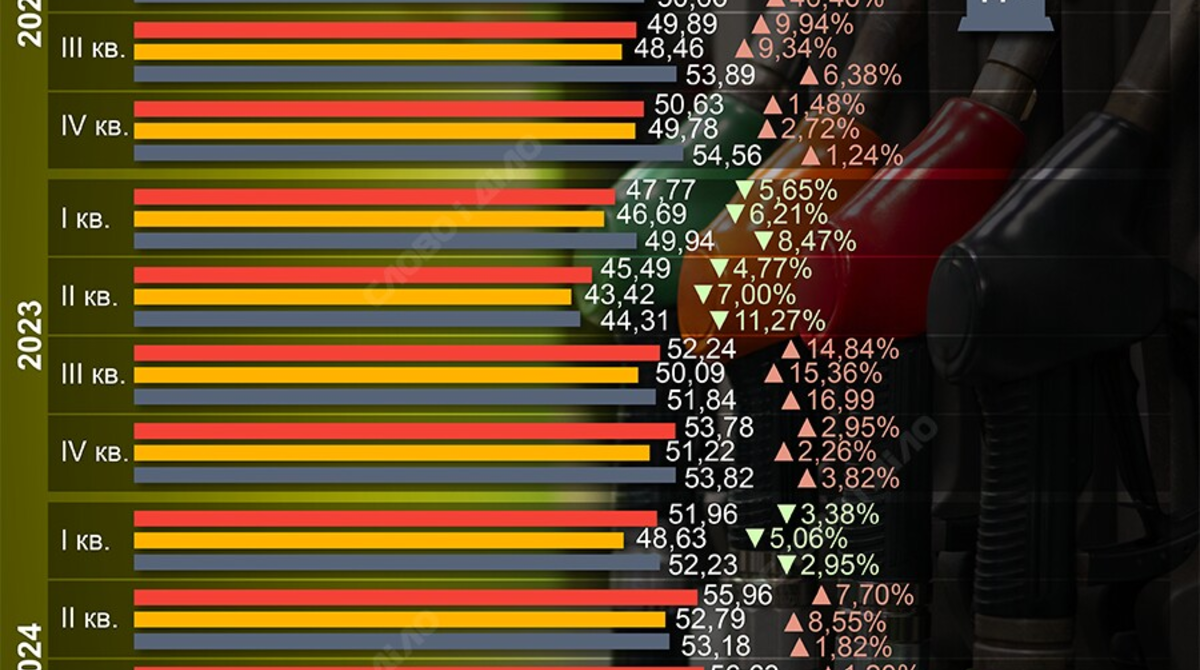
- Fuel Prices in Ukraine Surge to 83 Hryvnias: A Five-Year Price Evolution
- Russia Halts OFZ Auctions After Market Crash as Budget Deficit Hits 5.7 Trillion Rubles
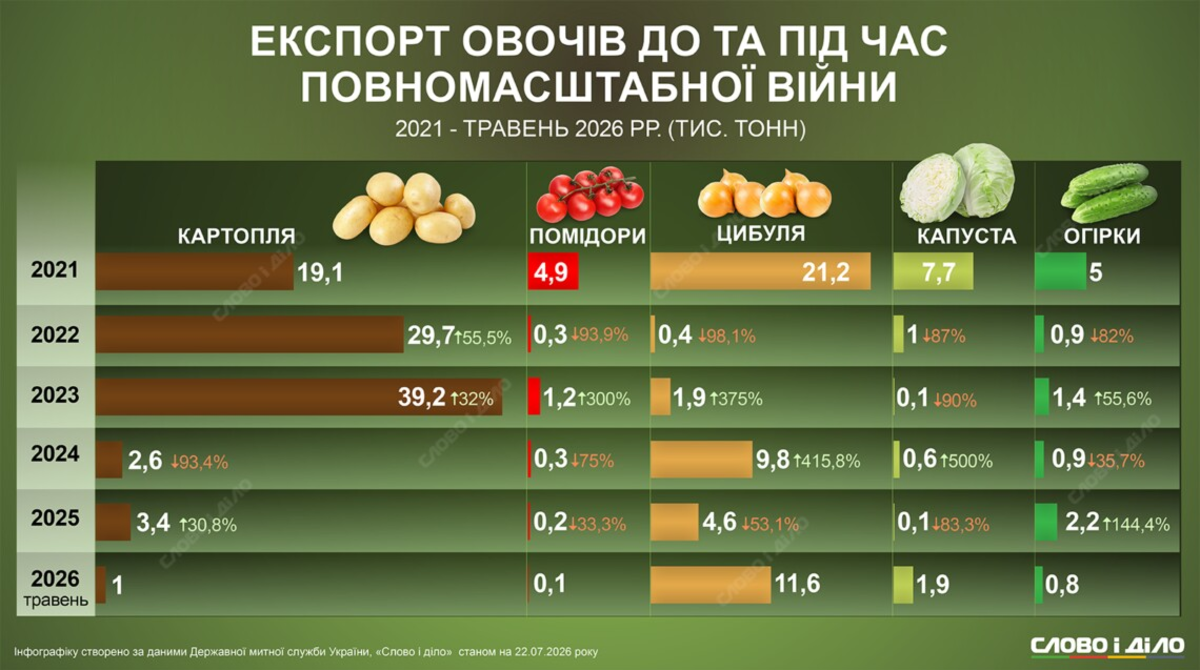
- Ukraine's vegetable exports collapse: tomato shipments drop 16-fold, onion exports plummet 53-fold