Safety First: Essential Guidelines for the Surging Use of Portable Gas Stoves.

Surge in Portable Gas Stove Demand
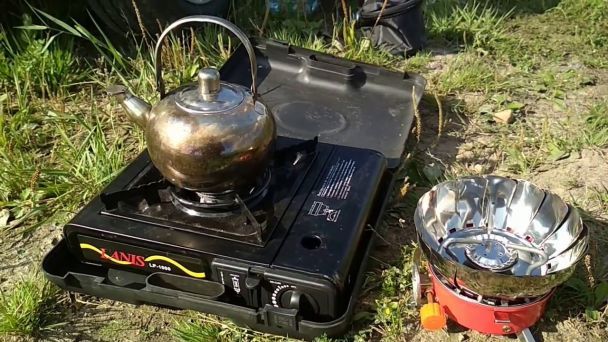
According to TSN.ua: In Ukraine, demand for portable camping stoves has skyrocketed, increasing by tens of times. This surge is a direct response to widespread power outages, with many Ukrainians turning to these devices as a reliable way to cook food when the electricity is cut. Given this rapid adoption, adhering to strict safety protocols is critical to prevent dangerous accidents.
Components of a Portable Gas Stove
A typical portable gas stove consists of several key parts: a burner, a body or frame, a flame control regulator, a piezoelectric igniter, a slot for the gas canister, and the gas canister itself. Proper use requires following specific safety rules to ensure safe operation.
- Gas canisters must not be stored near open flames, exposed wires, heaters, outdoors, in damp areas, or in direct sunlight.
- Moving canisters from a cold environment to a warm one is prohibited, as this can lead to hazardous consequences.
The canisters typically contain propane, butane, or isobutane, with isobutane being the safest option. Before use, the canister should be warmed, and the room must be ventilated during cooking to prevent carbon monoxide poisoning. When preparing food, water should be heated to 80°C (176°F), except for meat, which must be boiled. It is crucial never to leave the stove unattended and to turn off the gas after use. Empty gas canisters must never be thrown into a fire.
For safe operation of camping stoves, consider these essential recommendations:
- Carefully read the instruction manual for your specific portable stove.
- Store the stove and gas canisters in a secure location.
- Set up the stove correctly, using isobutane canisters, and warm the gas canister before use.
- Ensure the room is well-ventilated while cooking.
- Heat water to 80°C and let food sit after cooking.
- Avoid cooking on a high flame.
- If a malfunction occurs, do not panic; turn off the appliance and do not use a canister until it is completely empty.
- Keep the stove clean and never dispose of gas canisters by throwing them into flames.
Following these simple rules will help ensure the safe use of portable gas stoves during the challenging conditions currently faced in Ukraine. This trend highlights the critical need for reliable off-grid cooking solutions during an energy crisis. Observing safety guidelines is paramount, as negligence can easily lead to fires or carbon monoxide exposure, risks that are heightened when these devices are used indoors.
Read also
- Bus Service to Poland via Shehyni Checkpoint to Halt for 18 Months Starting June 15, 2026
- Over 10 Odesa Beach Zones Certified and Ready for Summer Season
- Anticipating Summer Ticket Surge, Ukrainian Railways Shares Booking Tips
- Europe's Airports Face Six-Hour Queues: IATA Warns of New Crisis
- Malmo to Narvik by Night Train: Snälltåget Launches New Service with Fares and Schedule
- Ukrainians Struggle to Buy Train Tickets as Ukrzaliznytsia Rolls Out New Summer Schedule