Draft Officers Know Who’s Wanted: Lawmaker Reveals Details on Ukraine’s Mobilization.

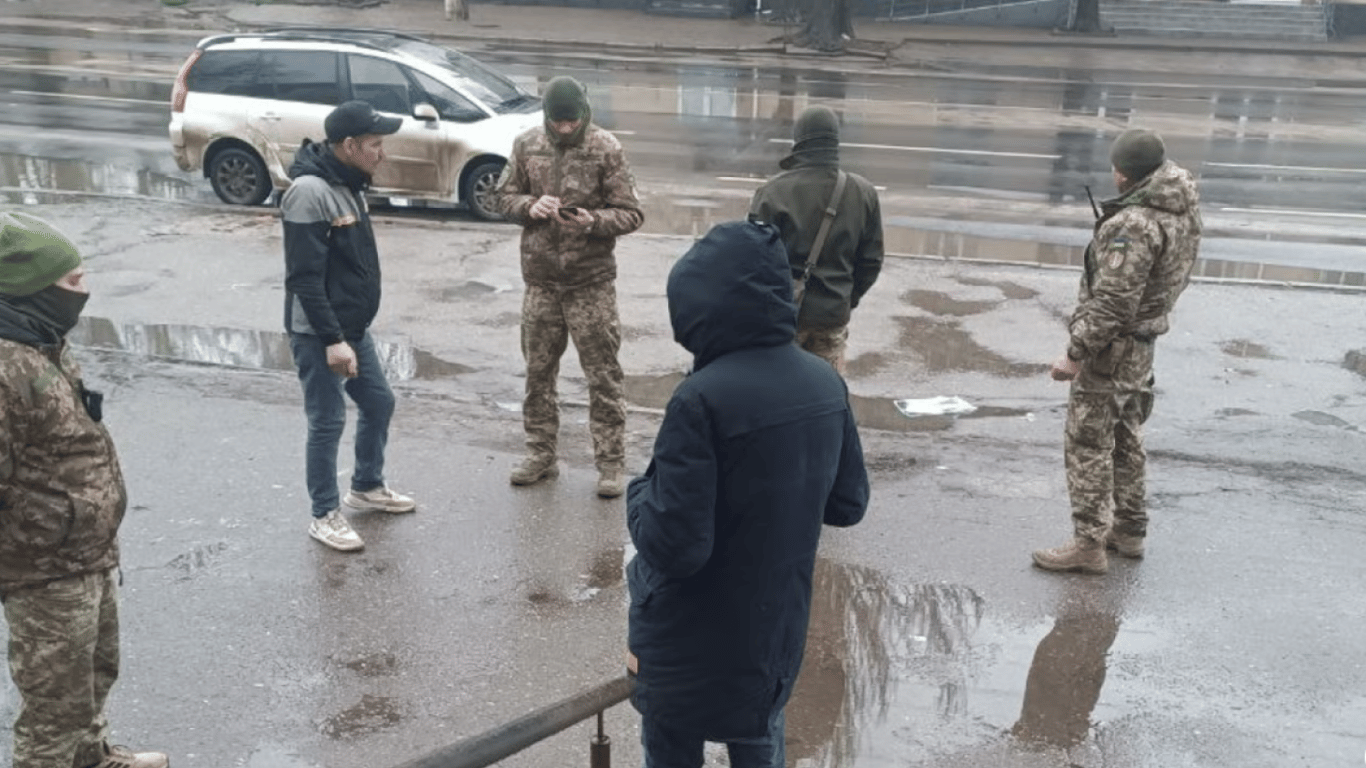
How Territorial Recruitment Centers Operate
According to Novyny.live: Ukrainian lawmaker Vadym Ivchenko, a member of the parliamentary committee on national security, defense, and intelligence, has shed light on the work of Territorial Recruitment Centers (TCCs) in mobilizing citizens—especially those on wanted lists. In an interview with the outlet 'Telegraph,' he explained that TCCs are tasked with identifying individuals who have violated military registration rules and bringing them into service.
As part of their duties, these centers can coordinate with any government body that helps facilitate mobilization. Ivchenko acknowledged that the process is not always smooth:
'A car doesn’t always get stopped and someone caught. Officers approach and say, ‘Your documents.’ Or the TCC already knows the person is wanted...' – Vadym Ivchenko
The situation highlights the challenges TCCs face in responding quickly to various scenarios. While Ivchenko does not justify their actions, he points to the objective difficulties these agencies encounter:
'I’m not excusing what the TCC does. But where do you go from here when they know this person is wanted...' – Vadym Ivchenko
These remarks underscore serious concerns about the ethics and legality of TCC operations. Hennadiy Druzenko has suggested that, after the war, TCC representatives could end up in prison—a statement that emphasizes the potential consequences of their conduct. This issue has sparked public debate, touching on both human rights and the accountability of state agencies during mobilization.
Mobilization Landscape in Ukraine
As a result, the work of Territorial Recruitment Centers remains under close scrutiny from both lawmakers and the public, given the critical need to uphold legality and ethics during wartime.
Ukraine’s mobilization efforts amid the war raise numerous questions about human rights and the ethical behavior of state bodies. Comments from Vadym Ivchenko and Hennadiy Druzenko highlight the potential risks TCC personnel face and the possible repercussions of their decisions in the post-conflict period. It is essential that society and authorities continue discussing these matters to ensure accountability and fairness in the mobilization process—a key factor in rebuilding trust in state institutions once the conflict ends.
Read also
- Hungarian President Resigns After Signing Constitutional Amendment
- France Summons Russia’s Chargé d’Affaires Over Cyberattacks Linked to FSB’s 16th Center
- Trump Threatens Tariffs Against Canada Over Wildfires: Here’s What We Know
- U.S. lawmakers propose sanctions on Russia if it refuses peace talks with Ukraine
- Hungary Left Without a President as Parliament Passes Constitutional Amendment
- Ukraine’s Top Commander Warns of Imminent Russian Offensive as Defense Forces Brace for Reinforcement