Russia's War Effort: Telegram Crackdown and Failing Bomb Shelters.

Russia's Domestic Policy Shifts and Their Impact
According to UATV: Russia's ongoing war in Ukraine has triggered significant internal policy changes, marked by a tightening grip on information and serious deficiencies in civil defense infrastructure. A key recent development is the plan to block Telegram, continuing a trend of restricting access to information platforms. This follows the earlier ban on WhatsApp, illustrating the government's escalating efforts to control the information space. These moves reflect a broader strategy to manage public perception during a protracted conflict.
Civil Defense Infrastructure Failures
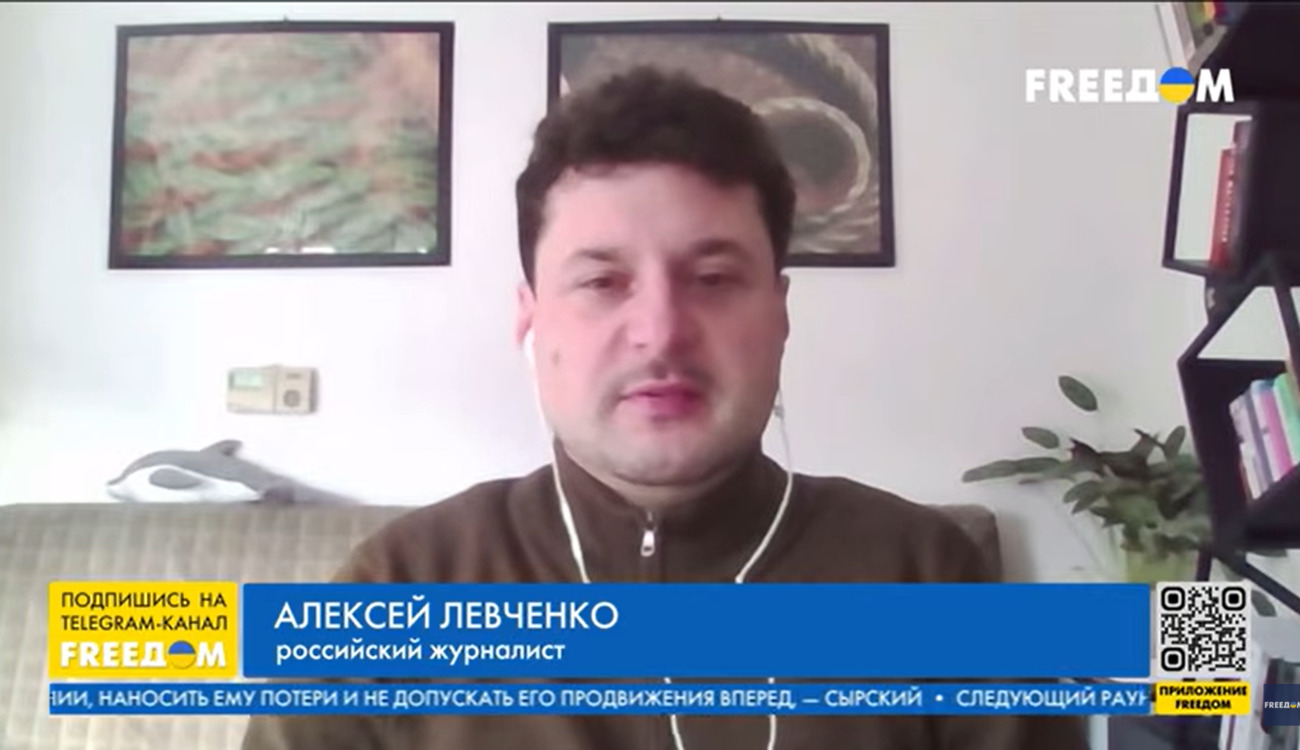
While the war in Ukraine has been ongoing since 2018, Russia allocated 155 billion rubles to restore 20,000 protective structures. However, expert Alexey Levchenko notes that the war exposed the system's critical failures. He states that
"when the war with Ukraine began, it became clear that the entire bomb shelter system was not operational"– Alexey Levchenko. Levchenko further emphasizes that
"when they were truly needed, it turned out that nothing works"– Alexey Levchenko.
Amidst active combat and rising tensions, the readiness of civil infrastructure for emergencies is paramount. Yet, all bomb shelters in cities like Belgorod, Voronezh, and Kursk are currently non-functional, causing public alarm. This situation starkly contrasts with the government's focus on information control, revealing a significant gap in practical security and defense preparedness for its own citizens.
These developments underscore the critical importance of a state's adequate preparation for emergencies during conflict. The lack of a functioning civil defense infrastructure directly threatens public safety. Simultaneously, the intensified information crackdown highlights attempts to maintain societal stability by limiting access to alternative news sources and obscuring the true domestic situation.
Read also
- Zelensky and Top Military Command Outline Response Plan to Russian Strikes
- EU's New Sanctions Package Targets Crypto Platforms Used to Bypass Restrictions
- New directives for Ukraine's National Security and Defense Council: Zelenskyy assigns tasks to Umerov and Klymenko
- Ukraine Extradites Former Lawmaker Demchak in Major Push to Bring Back Suspects
- EU Adopts 21st Sanctions Package Against Russia: What the New Restrictions Target
- Lithuania Accuses EU Nations of Undermining Sanctions for Their Own Economic Gain