Intelligence Uncovers Russian Plans for Mass Sea Drone Strikes.

Russia's Naval Drone Ambitions
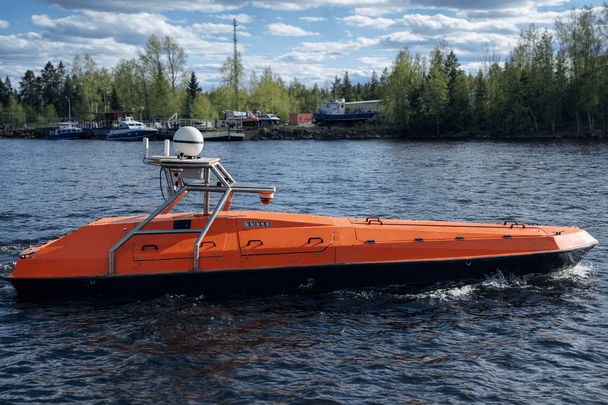
According to TSN.ua: Ukrainian intelligence reports that the Russian military is preparing to launch mass strikes against Ukrainian infrastructure using new naval drones. According to the Main Intelligence Directorate of Ukraine's Ministry of Defense, the enemy plans to deploy dozens of these unmanned vehicles each month. However, there is currently no evidence of systematic or effective use of Russian sea drones that has resulted in significant combat impact. This suggests a gap between Russia's stated ambitions and its current operational capabilities on the water.
Among the new Russian developments are 'Triton' type drones, capable of reaching speeds up to 100 km/h, and plans to produce up to 40 units of 'Skate' type drones monthly. Additionally, work continues on the autonomous underwater vehicle 'Prosvet-1'. These initiatives indicate an intent by the adversary to shift towards tactics of mass deployment.
Context of Ukrainian Defensive Technology
It is worth noting that last December, in a significant asymmetric warfare success, Ukraine's Security Service and Naval Forces first deployed their own 'Sub Sea Baby' underwater drones. These were used to attack a Russian 'Varshavyanka'-class submarine in the port of Novorossiysk, causing critical damage to the approximately $400 million vessel and rendering it combat ineffective. Following this, in February 2023, Russia ceased using submarines at sea, leaving the occupiers with only two missile-carrying submarines. This highlights how Ukraine's innovative drone warfare has already reshaped the naval battlefield.
Overall, the situation points to an intensification of Russian military technology efforts, though their effectiveness remains questionable.
The activation of new technologies within the Russian army may signal the Kremlin's intentions to bolster its military presence in Ukraine and carry out new attacks on critical infrastructure. However, despite the announced plans, the actual implementation of these initiatives remains in doubt, which could indicate difficulties in their deployment or insufficient readiness for their effective use. This also underscores the critical importance of the continued development of Ukrainian defensive technologies and countermeasures to confront emerging threats.
Read also
- Moscow Redirects Ukrainian Drones; Kyiv Pitches 'Drone Deal' to Shield Europe
- Investigation Concluded After Russian IL-18 Violates Finnish Airspace
- Iran Hit by US Strikes After Apache Helicopter Downed
- Ukrainian Forces Strike Ammunition Depots in Russia’s Belgorod Region: Inside the Successful Operation
- Finland Concludes Border Breach Probe: Russian IL-18 Jet Entered Its Airspace
- Ukrainian Forces Strike 36 Russian Targets: Moscow’s Daily Losses Revealed