Latvia Condemns Russia's Bid for Cultural Rehabilitation at Venice Biennale.

Russia's Planned Return to the Venice Biennale
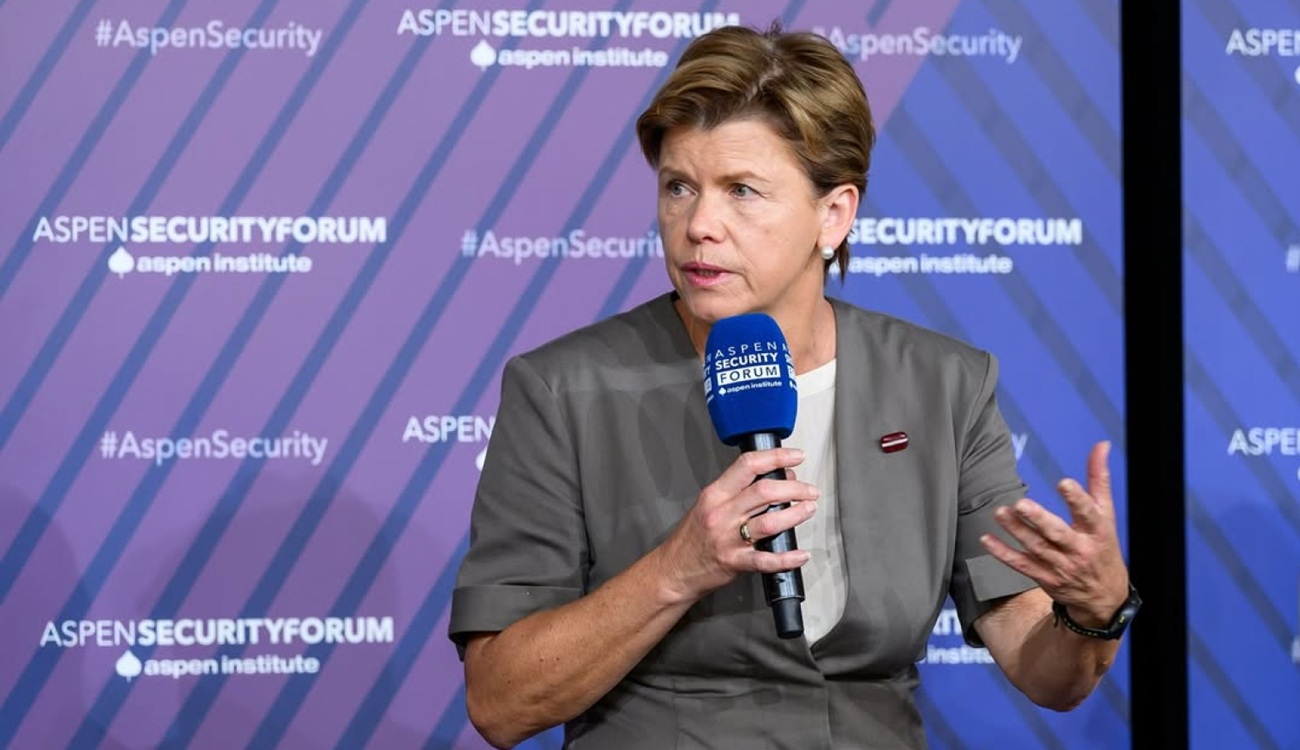
According to UATV: Russia intends to participate in the Venice Biennale for the first time since 2022, a move that has drawn criticism from several European nations, including Latvia. Latvian Foreign Minister Baiba Braže argued that allowing Russia back onto the international cultural stage is premature. She stressed that
"Russia cannot bomb Ukraine, kill civilians, and then walk the red carpet at the Venice Biennale."
In response to Russia's intentions, Latvia demands:
- an end to the war;
- the withdrawal of Russian troops from Ukraine.
It is notable that following the start of Russia's full-scale invasion of Ukraine in 2022, Russian artists themselves declined to take part in the exhibition. This underscores how cultural responses to military aggression have become a significant factor in international relations. The Venice Biennale, a premier global art event, is now a focal point for this geopolitical tension.
Growing Tension in the International Cultural Sphere
Furthermore, Ukrainian Foreign Minister Andrii Sybiha has supported a boycott of the 2026 Paralympic Games, indicating escalating friction over Russia's participation in major international events. Thus, the debate over Russia's presence at the Biennale reflects a broader discussion about the role of culture in the context of international conflict and aggression.
Russia's potential participation in the Venice Biennale could serve as a crucial test for international cultural relations, raising questions about how nations respond to military aggression through cultural platforms. Amidst rising political tensions and the refusal of many states to cooperate with Russia, this issue remains both relevant and contentious. The international community's decision regarding Russia's involvement in cultural events may have long-term consequences for international relations and cultural policy.
Read also
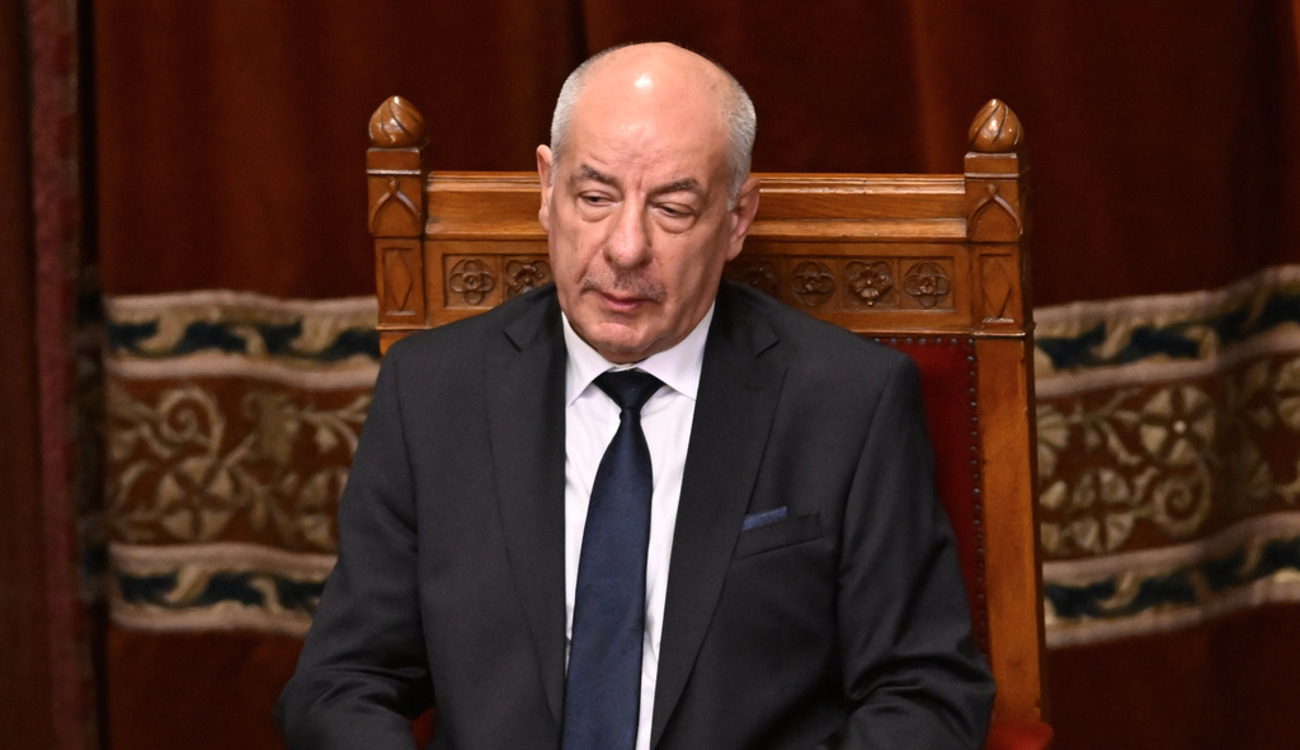
- Hungarian President Resigns After Signing Constitutional Amendment
- France Summons Russia’s Chargé d’Affaires Over Cyberattacks Linked to FSB’s 16th Center
- Trump Threatens Tariffs Against Canada Over Wildfires: Here’s What We Know
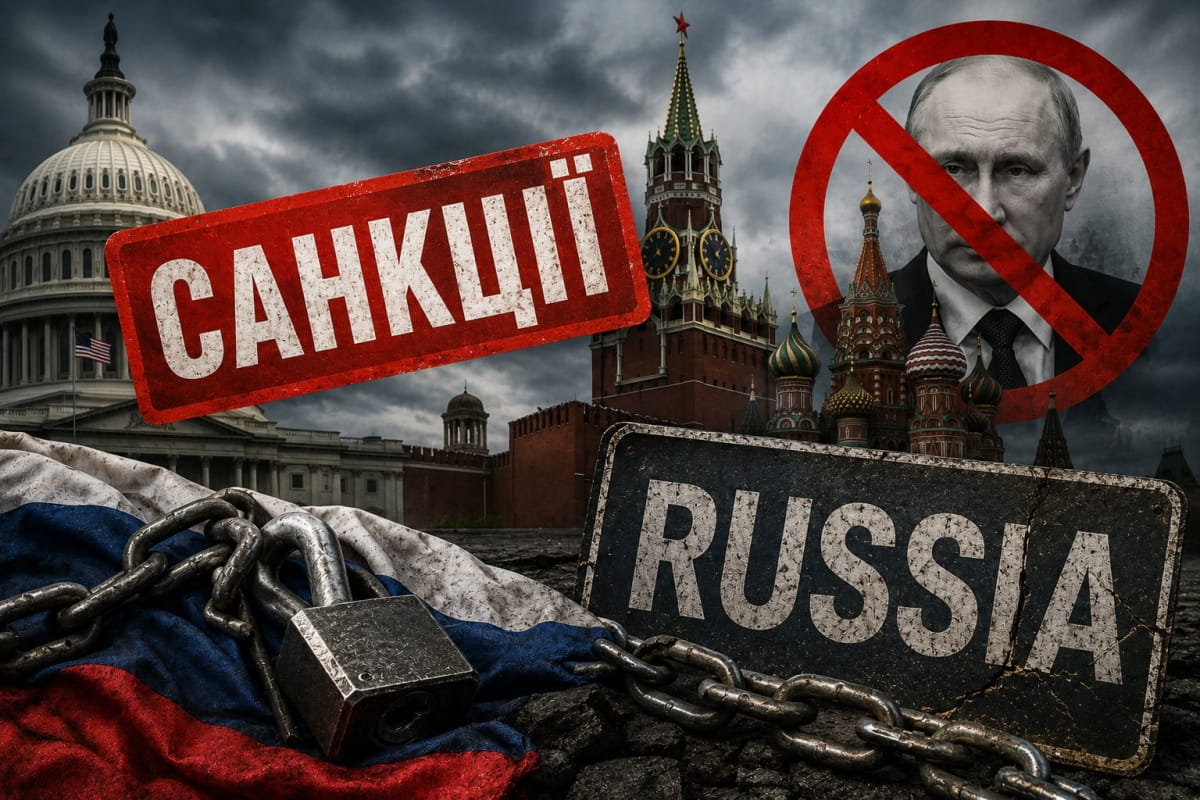
- U.S. lawmakers propose sanctions on Russia if it refuses peace talks with Ukraine
- Hungary Left Without a President as Parliament Passes Constitutional Amendment
- Ukraine’s Top Commander Warns of Imminent Russian Offensive as Defense Forces Brace for Reinforcement