Russia Shifts to Low-Cost 'Banderol' Missiles: What This Means for Ukrainian Air Defenses.

Russia's Budget Weaponry Shift
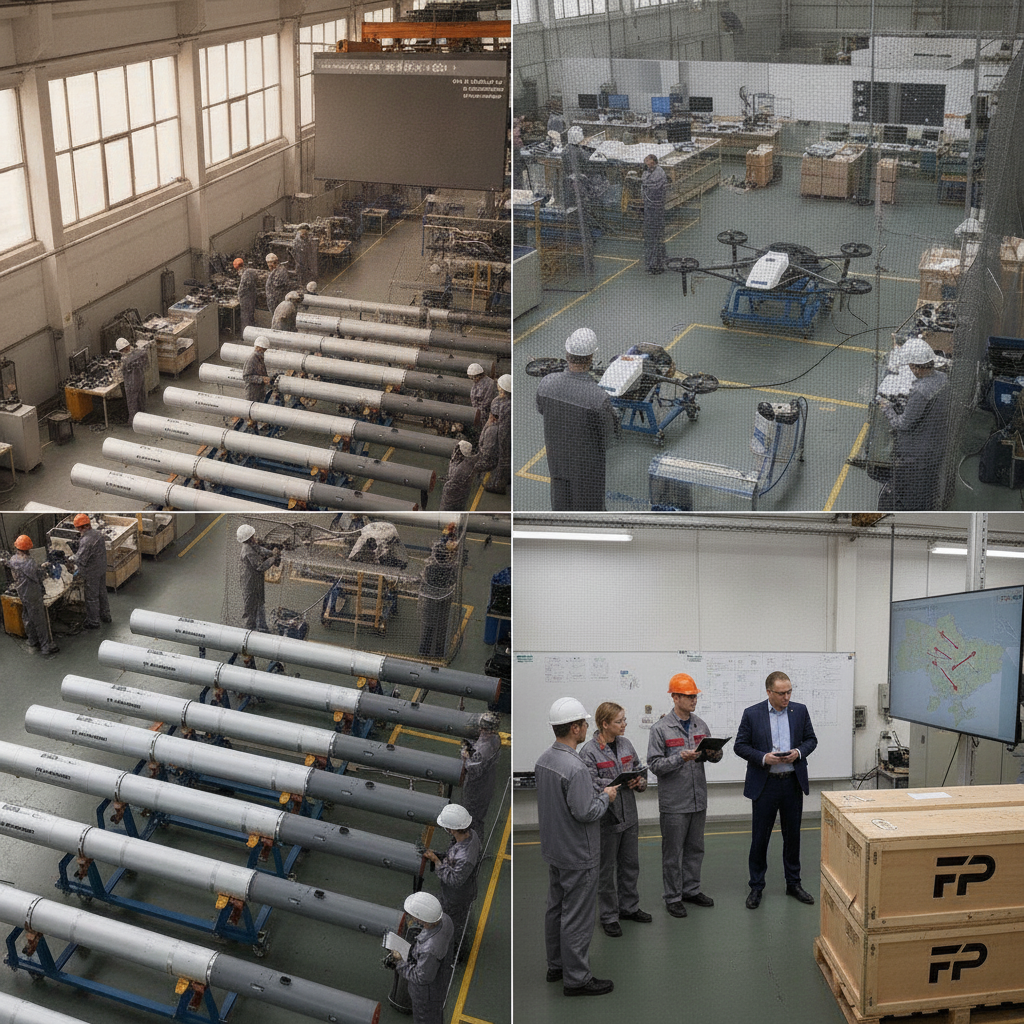
According to Novyny.live: In an effort to cut military spending, the Russian army has started deploying a new type of missile called the 'Banderol,' which is significantly cheaper than conventional munitions. This development actually simplifies the task for Ukrainian air defense crews. The Banderol missile costs four to five times less than cruise missiles like the Kh-101, Kalibr, or Iskander-K, signaling that Moscow is being forced to seek more economical weapons options amid a prolonged war.
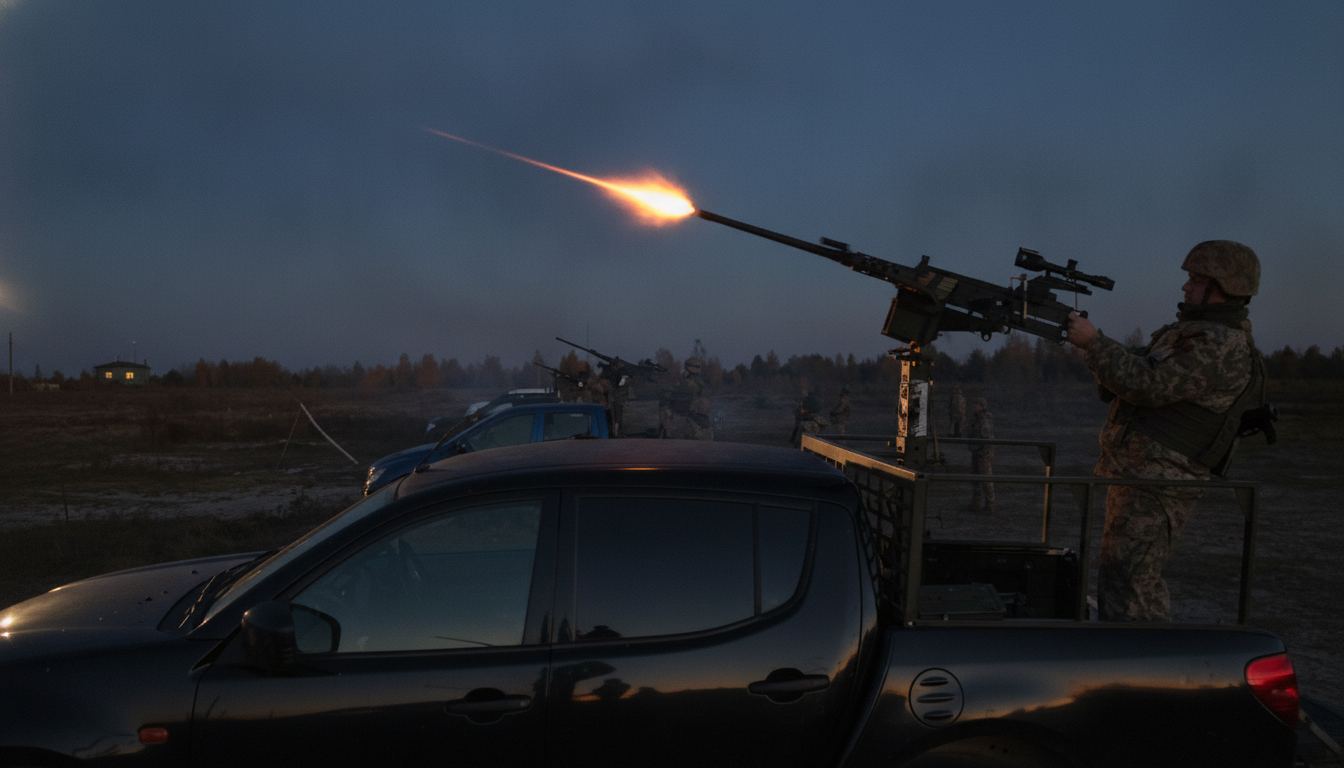
Russia is now racing to ramp up production of the Banderol, but these missiles come with notable drawbacks that complicate their use. Equipped with a jet engine, the Banderol emits a strong heat signature, making it highly visible to portable air defense systems. The enemy launches these missiles only in very limited numbers and as single shots, indicating a cautious approach to deploying this weapon type.
Analysts point out that Russia must now carefully manage its armament costs during the conflict.
As Valeriy Romanenko emphasized, 'The Russians are also forced to count their money right now. The Banderol is four to five times cheaper than cruise missiles like the Kh-101, Kalibr, or Iskander-K.'These changes in weapons strategy reflect the broader situation on the front lines, where President Volodymyr Zelenskyy has stated that Russia has completely lost the initiative on nearly all major fronts.
Adapting to Financial Pressures
In essence, the new Banderol missiles are part of the Russian military's adaptation to the financial and operational challenges posed by the ongoing conflict.
The introduction of the Banderol shows that Russia is trying to optimize its weapons spending, but it also highlights growing difficulties in equipping its army with modern, effective tools. While these new missiles may reduce costs, their operational limitations could diminish their battlefield effectiveness. This shift may alter the tactics of both sides in the conflict, as Ukraine gains an opportunity to better defend against less sophisticated, though potentially more frequent, attacks.
Read also
- Targets Identified: Ukrainian Defense Forces Hit Six Warehouses in Russia and Crimea
- Zelenskyy Reveals Results of Drone Strikes on Russia: Ukrainian UAVs Reach 3,000 km
- Ukraine Calls UN Security Council Meeting After Zelenskyy Exposes Russia’s Plan to Mobilize Half a Million Troops
- Zelensky-Era Politicians Hold Sway in Ukraine, a Situation Resembling Russia and Belarus, Says Portnikov
- Aboard HMS Queen Elizabeth: Zelensky and UK PM Forge Agreements on Electronic Warfare and Defense Industry
- Inaugural Talks Between Zelenskyy and Britain's New Premier: Key Issues on the Table