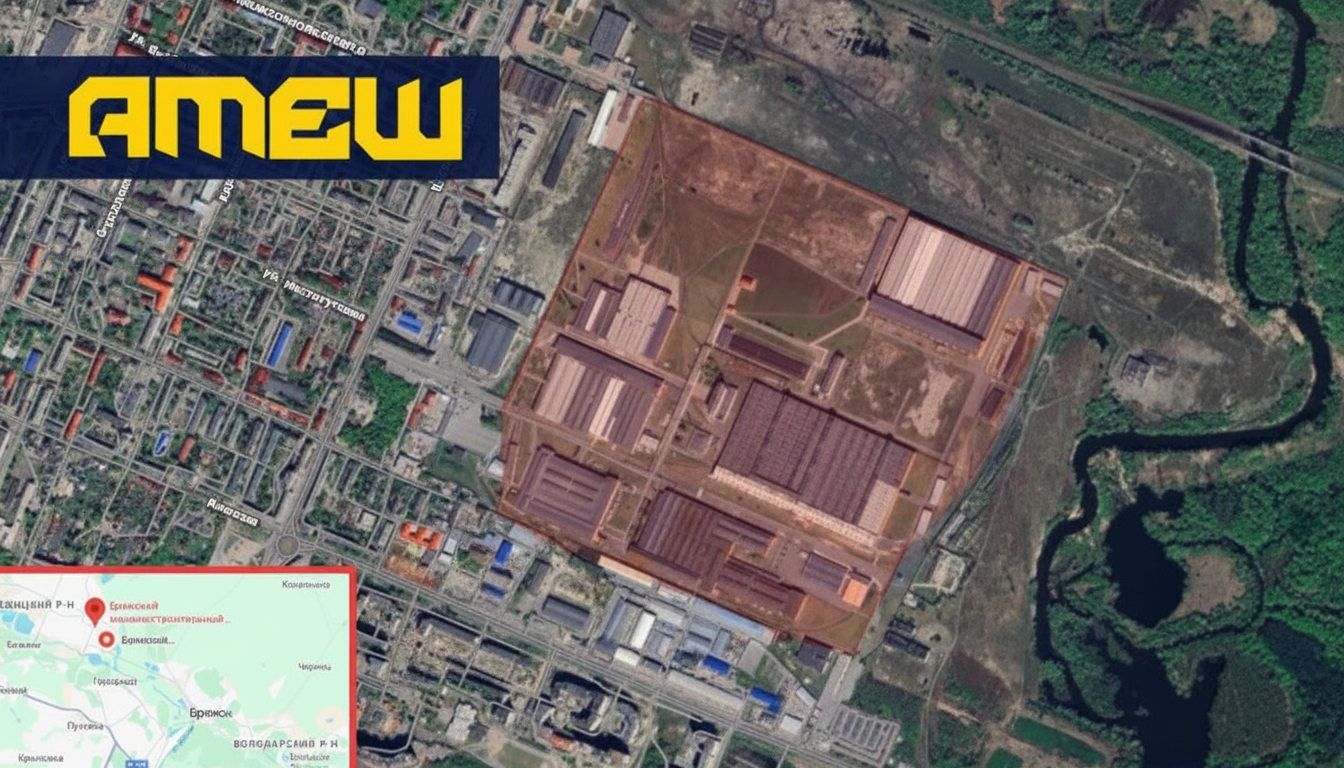
Russia's 'Oreshnik' Missile Stockpile Drained: Only One Combat-Ready Unit Remains.

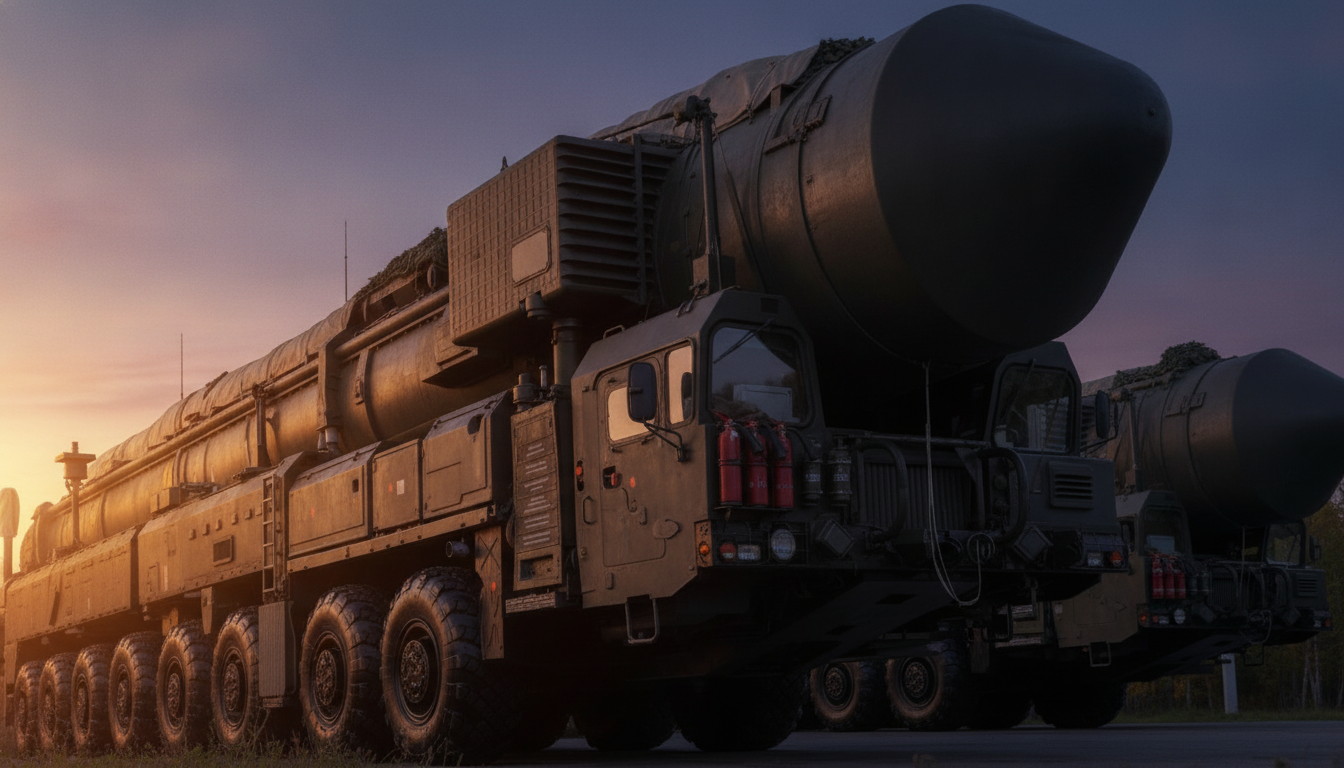
Current State of the 'Oreshnik' Missile Program
According to Novyny.live: Russia has depleted its arsenal of 'Oreshnik' ballistic missiles, leaving just a single operational unit available for strikes. This shortage has led to significant inaccuracies in their deployment, as the missiles' precision is severely lacking. Russian defense factories producing these missiles are relying on outdated Soviet-era gyroscopes, model GU-503, which undermines their effectiveness. The 'Oreshnik' missiles have an error margin of several tens of kilometers, raising the risk of unintended destruction in random locations.
One such missile even landed in occupied Donbas territory, highlighting the dangers of using poorly manufactured weapons. The Institute for the Study of War (ISW) released findings on June 16 confirming these issues. The first instances of defective missile batches were recorded as early as November 2024. Under original plans, Russia intended to assemble four additional missiles in 2025, but given the current circumstances, this goal now appears highly problematic.
Technological Shortcomings and Broader Implications
On June 12, 2026, the Ukrainian Air Force issued a warning about a potential 'Oreshnik' strike. Vladyslav Vlasiuk noted that the missile contains no high-tech imported components from the US, EU, or Japan, underscoring the limited technological solutions employed in its production. According to a source within the Russian defense ministry, 'manufacturers deliberately ignored quality assurance protocols,' confirming systemic failures in meeting standards.
These accuracy issues cast doubt on the 'Oreshnik' missile's reliability in combat, potentially reducing its impact. Putin has publicly threatened Ukraine with harsh retaliation for strikes on Russian fuel facilities, reflecting ongoing high tensions between the two nations. However, given the missile's current state, its capacity to inflict damage may be substantially diminished.
This information highlights serious cracks in Russia's defense sector that could alter the course of hostilities in Ukraine. The depletion of ballistic missile stocks, combined with poor targeting precision, points to potential difficulties for Russia in planning future attacks. At the same time, rising regional tensions—including Putin's threats—suggest the conflict could continue to escalate, despite the technical limitations Russia now faces.
Read also
- Ukrainian 'Atesh' Group Exposes Russian Factory Producing Military-Use Locomotives
- Three Suspects Named in Scheme to Embezzle UAH 102 Million from Tank Defense Procurement
- Epstein Scout Found Dead in France: What We Know About the Case
- 68 Million Hryvnia Embezzlement Probe Launched Over Unbuilt Drone Defense System
- Massive Real Estate Fraud Scheme in Ukraine’s National Guard Exposed by NABU: Over 150 Million UAH Embezzled
- Appeal Hearing on Monday After Court Blocks Probe Into DBR Director’s Brother’s Apartments