Zelenskyy Rejects Russian Claim of Nuclear Weapons Transfer to Ukraine.

Ukraine's Nuclear History and Non-Nuclear Status
According to UATV: Ukrainian President Volodymyr Zelenskyy has dismissed a claim from Russian foreign intelligence that the United Kingdom and France could transfer nuclear weapons to Ukraine. Zelenskyy characterized the allegation as political pressure and reaffirmed that Ukraine possesses no nuclear arms. This claim emerges amidst Russia's ongoing full-scale invasion, which began in February 2022.
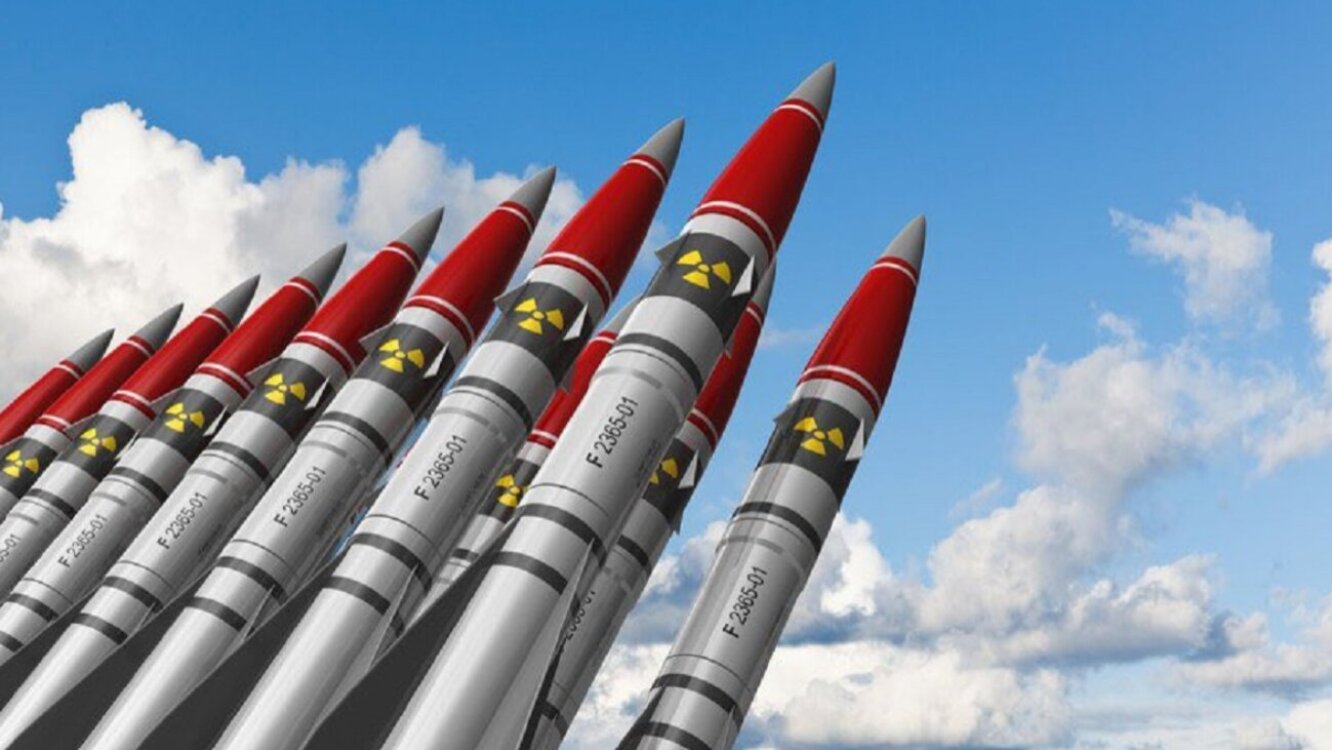
Following the collapse of the Soviet Union, Ukraine inherited the world's third-largest nuclear arsenal. This stockpile included:
- 176 intercontinental ballistic missiles;
- Tu-95MS and Tu-160 strategic bombers;
- Strategic and tactical nuclear warheads.
However, Ukraine committed to a non-nuclear status early in its independence. The principle was first declared on July 16, 1990, when the Verkhovna Rada adopted the Declaration of State Sovereignty. A formal statement on its non-nuclear status was approved in October 1991. Ukraine then acceded to the Treaty on the Non-Proliferation of Nuclear Weapons in December 1994, and the last nuclear warhead was transferred to Russia in August 1996.
President Zelenskyy stated: 'Ukraine has no nuclear weapons, unfortunately.'
His words underscore the country's long-standing position, established in the early 1990s. Ukraine does maintain two enterprises for uranium mining and processing, which are vital for its energy security. Reacting to the intelligence claim, Dmitry Peskov, the press secretary for the Russian president, labeled the alleged scenario an 'egregious violation of all norms and principles of international law,' highlighting the heightened political tension between Russia and Western nations.
Consequently, the issue of nuclear weapons and Ukraine's non-nuclear status remains pertinent internationally, particularly given increasing political pressure from Russia. Allegations of a potential transfer, even if unsubstantiated, emphasize the importance of international support for Ukraine and its pursuit of security in a complex geopolitical environment. Simultaneously, Russia's reaction points to a potentially dangerous escalation of the conflict, which could have serious implications for regional stability.
Read also
- New Phase in Ukraine-Poland Ties Announced by Zelensky: What Lies Ahead
- Zelensky Breaks His Own Pledge: How the President Undermined Constitutional Order
- Temporary SBU Chief Appointed by Zelensky: Who Took the Role
- New Interim Leaders Appointed for Ukraine’s Security Service and National Police by President Zelenskyy
- Ukraine's Zelenskyy thanks US for new bill tightening sanctions on Russia
- Zelenskyy Assigns Key Economic Tasks as Oleksii Sobolev Joins Presidential Office