Russia's Winter Energy Assault: A New Tactic to Pressure Ukraine.

Russia's Shift in Attack Strategy
According to UATV: Russia has altered its approach to attacking Ukraine, now concentrating on destroying energy infrastructure during freezing winter conditions. This campaign aims to trigger social crises and exert pressure on the Ukrainian government. Notably, up to 60% of Ukraine's electricity generation comes from nuclear power plants, making this sector particularly vulnerable to external assault. These attacks represent a strategic escalation in the ongoing conflict, targeting civilian resilience.
Recent strikes on facilities in the Dnipropetrovsk region forced six enterprises to halt operations, highlighting the severity of the situation. Furthermore, attacks on underground gas storage sites in the Lviv region are designed to paralyze Ukraine's energy system, which could have long-term consequences for the country's supply stability. It is significant that these assaults have intensified during diplomatic negotiations, revealing the aggressor's strategic intent to undermine Ukraine's position at the bargaining table.
The Social Impact of the Attacks
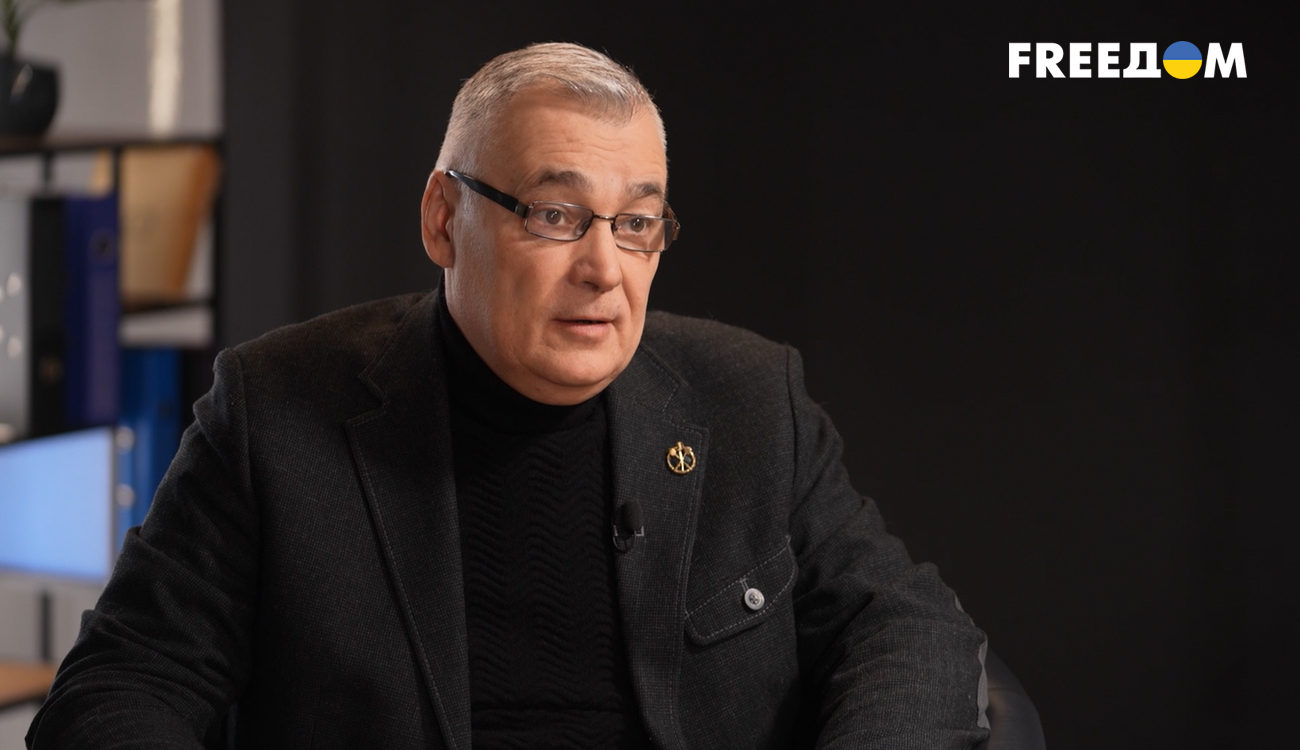
The primary focus of Russian strikes is not the military-industrial complex, but the civilian population, raising serious humanitarian concerns. The goal of these actions is to provoke a mass internal migration flow, further destabilizing the country. Dmytro Snehyrev noted that such tactics are an element of military-political pressure intended to force Ukraine into making territorial concessions. These facts demonstrate Russia's attempt to weaponize winter conditions to advance its objectives in Ukraine.
The change in Russian military tactics reflects deeper strategic planning aimed at achieving not only military but also social goals. Strikes on energy infrastructure could lead to increased social tension within Ukraine, creating conditions for internal conflict. This, in turn, could complicate negotiations and potentially affect the level of international support for Ukraine in its struggle against the aggressor. The international community closely monitors these developments as they threaten regional stability.
Read also
- Zelensky and Top Military Command Outline Response Plan to Russian Strikes
- EU's New Sanctions Package Targets Crypto Platforms Used to Bypass Restrictions
- New directives for Ukraine's National Security and Defense Council: Zelenskyy assigns tasks to Umerov and Klymenko
- Ukraine Extradites Former Lawmaker Demchak in Major Push to Bring Back Suspects
- EU Adopts 21st Sanctions Package Against Russia: What the New Restrictions Target
- Lithuania Accuses EU Nations of Undermining Sanctions for Their Own Economic Gain