Outdated Navigation System Blamed for Civilian Casualties from Russia’s Orieshnik Missile: Fresh Evidence Emerges.

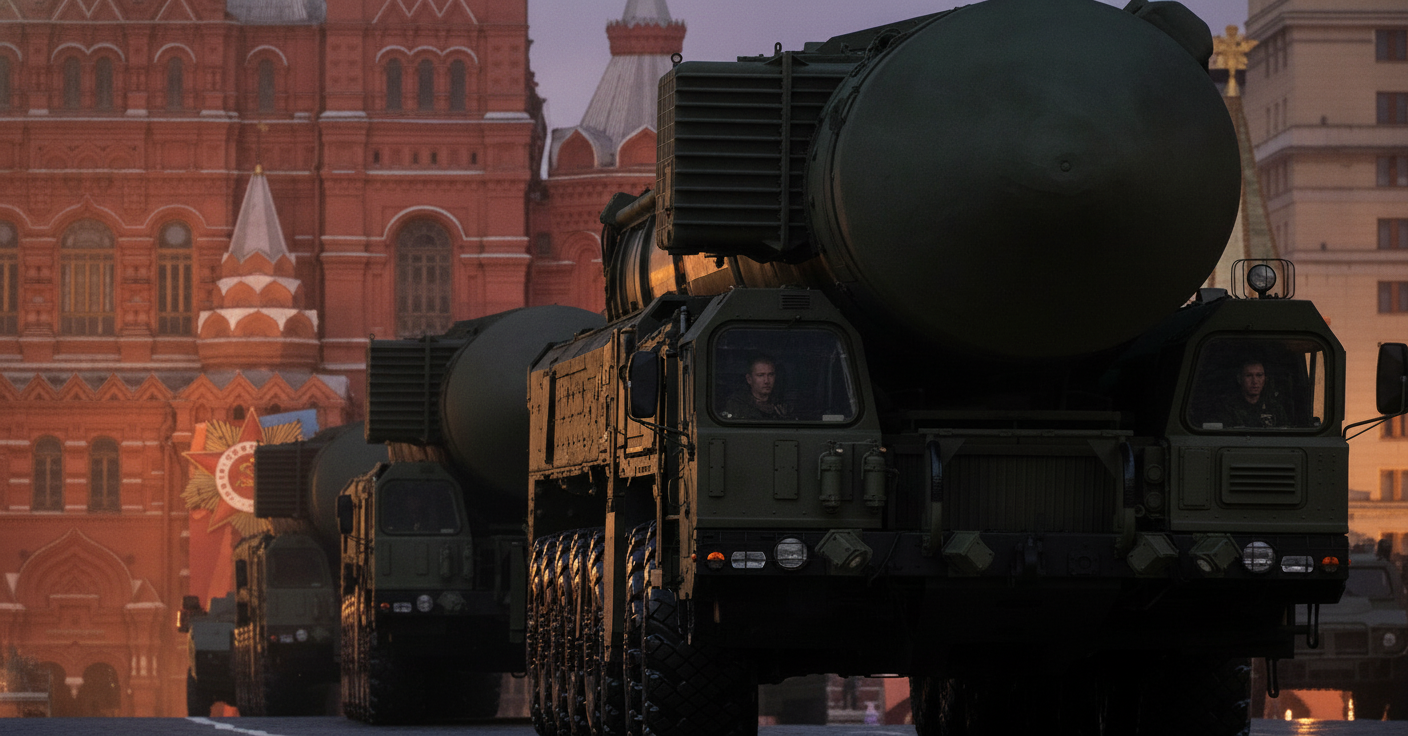
Strikes on Ukrainian Cities
According to Espreso.tv: In 2024, Russia launched three attacks on Ukrainian urban centers using Orieshnik ballistic missiles. These strikes occurred on the following dates:
- November 21, 2024, in Dnipro,
- January 9, 2025, in the Lviv region,
- May 24, 2025, in Bila Tserkva.
The missiles hit civilian infrastructure, and investigations reveal that the weapon’s guidance system is flawed, severely undermining its targeting accuracy. This context is critical for understanding the pattern of errant strikes that have harmed non-combatants.
Missile Technical Flaws
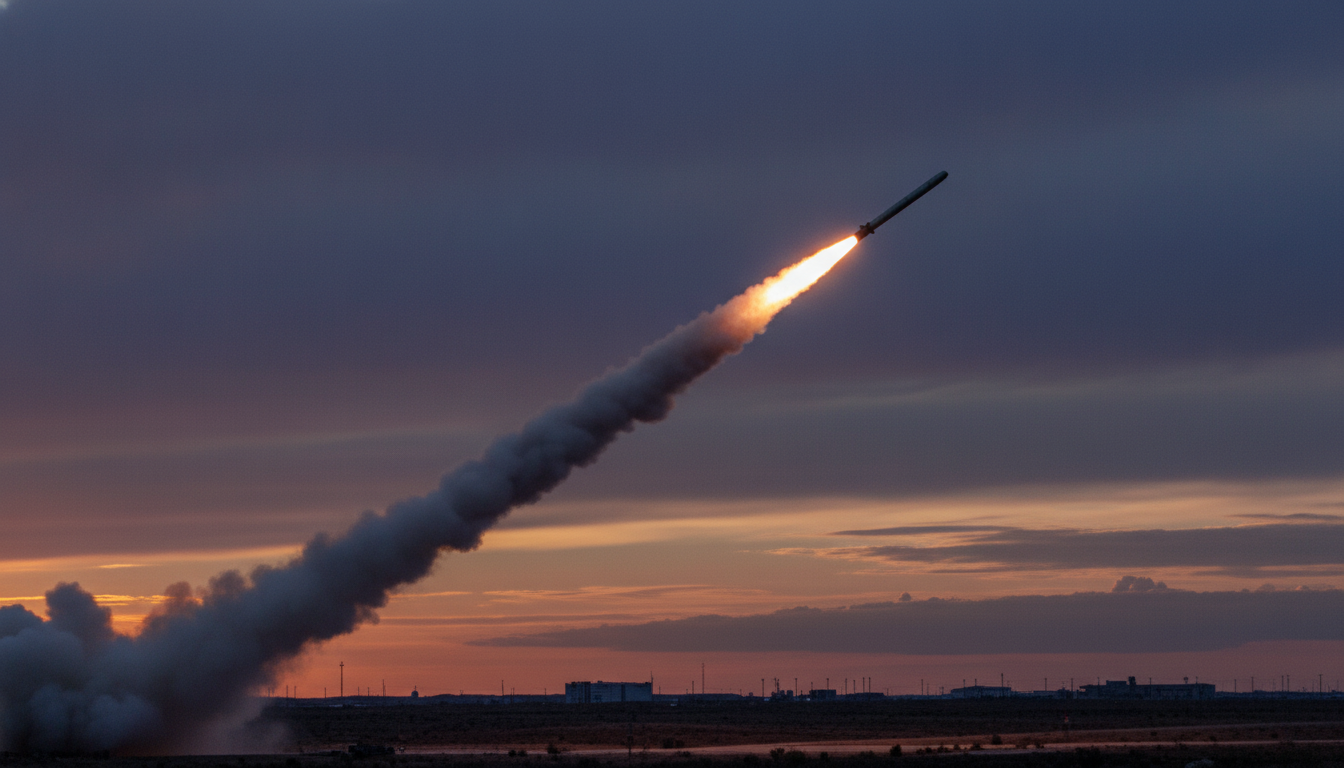
The Orieshnik missile can reach speeds of Mach 10, equivalent to 2.5–3 km per second. However, its reliance on the outdated GU-503 aviation gyroscopic device has proven problematic. Internal documents dated March 18, 2025, confirm that the GU-503 navigation system was never properly calibrated.
As a result, debris from these obsolete GU-503 units has been recovered at the impact sites of Orieshnik missiles.
Furthermore, the Michurinsk Progress plant and the Azov Optical-Mechanical Factory play key roles in producing these missiles. Yet, at the St. Petersburg International Economic Forum in June 2025, Russian President Vladimir Putin declined to commit to serial production of the Orieshnik. This suggests potential difficulties in manufacturing and quality control for these ballistic missiles deployed in the conflict.
These strikes highlight Russia’s continued aggressive actions against Ukraine, even as serious technical shortcomings in its weapon systems come to light. The Orieshnik’s navigation issues may point to a broader crisis in Russia’s defense industry, which could hamper future military effectiveness. The lack of serial production for this missile also hints at growing challenges in equipping the army with modern technology. This, in turn, could shift the trajectory of the conflict and alter the strategies of both sides in the near term.
Read also
- Feigin Reveals Who Arranged Melnychenko's Interview and Why Russian Oligarchs Are Fleeing
- Putin’s Approval Rating Plunges to 66% as Russia’s Fuel Crisis Worsens
- Why Russia Sees Turkey as a Viable Negotiation Hub: Three Key Reasons
- Fuel Shortages and Rising Prices Drive Russians to Buy Foreign Currency in Droves
- CIA Director: Russian Soldiers Survive Only 30 Minutes on the Frontline
- Capital Flight from Russia: Why Billionaires Are Moving Assets Abroad