Zaporizhzhia Targeted in Russian Strikes: Over 80 Homes Damaged, 12 People Injured.

Cleanup Efforts Underway After Zaporizhzhia Attacks
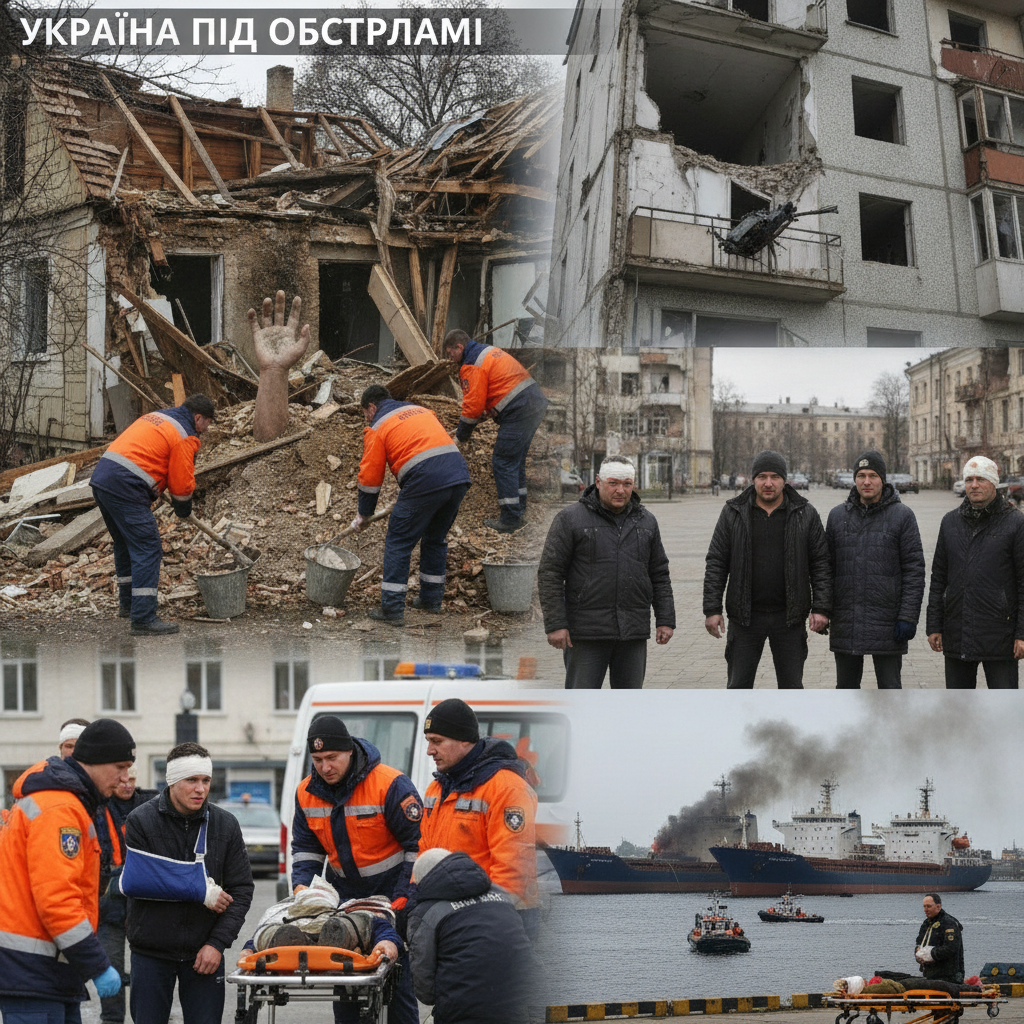
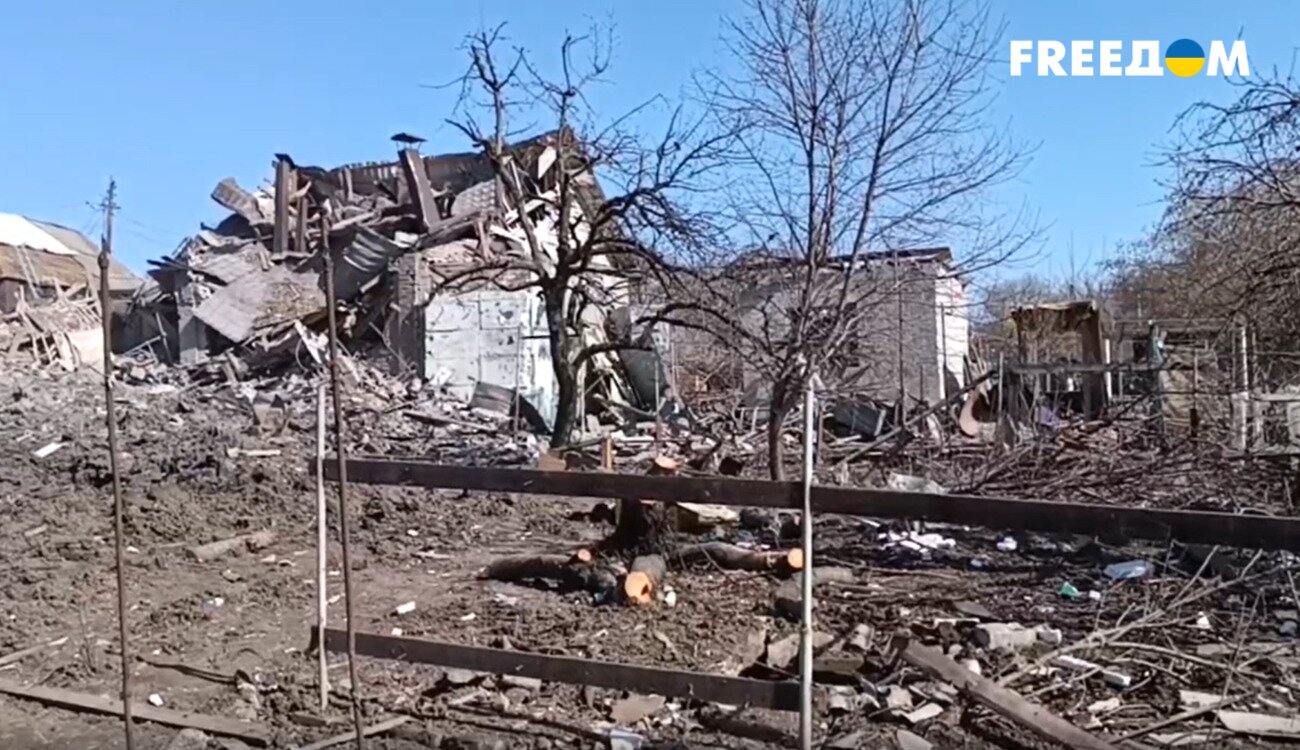
According to UATV: Cleanup operations are continuing in Zaporizhzhia following Russian military strikes on March 11. The attacks resulted in twelve civilian casualties and damaged more than 80 multi-story and private residential buildings. The scale of the destruction requires an urgent response from emergency services. This southern Ukrainian city has repeatedly been a target for strikes, placing its civilian population under constant threat.
Residents Describe the Impact
One aerial bomb detonated near an apartment building, causing severe damage. The blast blew out windows, destroyed roofs, and damaged parked cars. A crater measuring five meters deep was left in a nearby garden, indicating the weapon's substantial power. Approximately one hundred residents have already applied for compensation due to property damage.
“The roof is damaged, the windows are gone. There was a hole in the gas pipe, but the guys have already sealed it. It’s a good thing I wasn’t home—I had gone to buy potatoes. But the explosions were so powerful! I came back and saw all this: no windows, no roof… Thank God everyone is alive.”
Andriy, a local resident
Another victim, Iryna, stated that her parents have been left homeless. 'They told us the house will be demolished. Of course, I'm in shock, but at least they are alive. They were in the other part of the house, which remained more or less intact.'
Volodymyr Volobuiev, a local official, confirmed that a munition, preliminarily identified as a guided aerial bomb (KAB), caused the damage to private houses. 'This includes shattered windows, broken roofs, and damaged internal utilities,' he noted.
Work to clear the aftermath is ongoing, with local authorities doing everything possible to support those affected. The situation highlights the severe toll the conflict continues to take on civilian infrastructure and daily life far from the front lines.
Read also
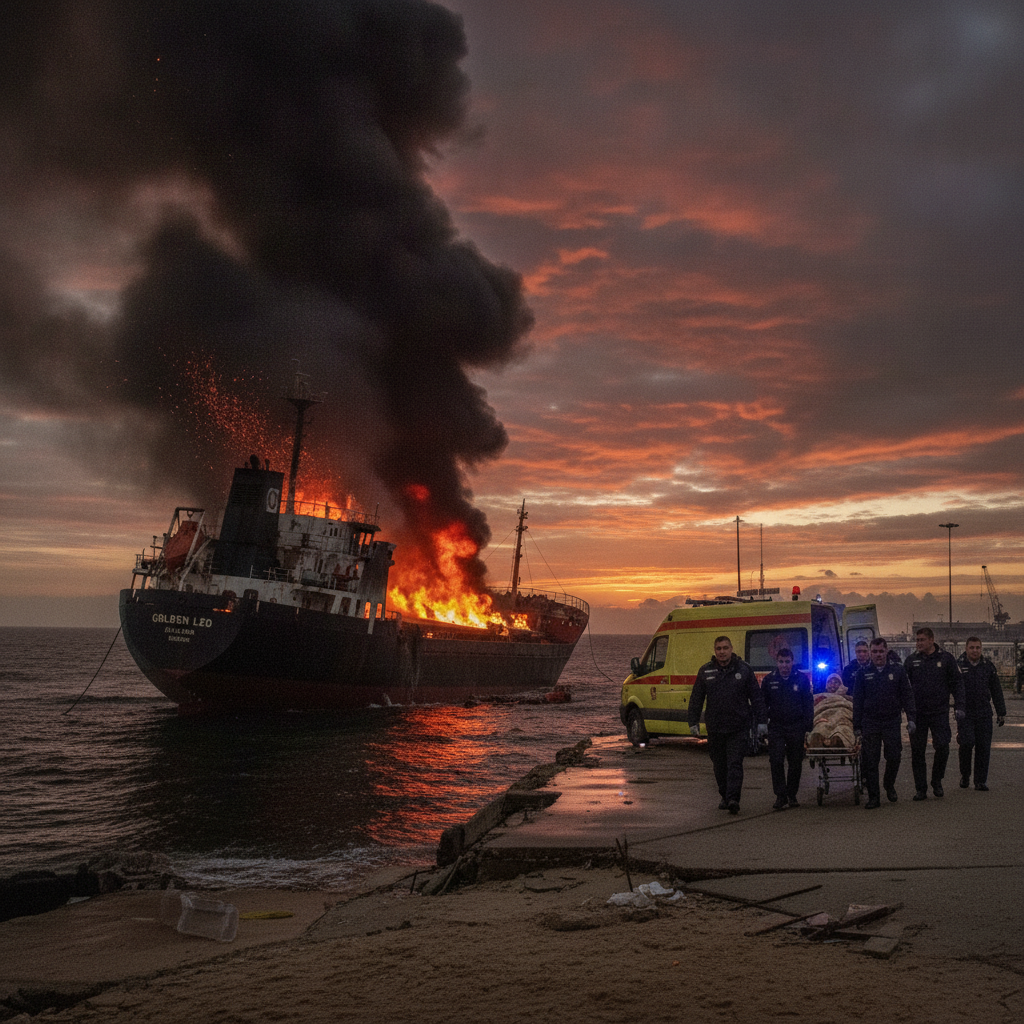
- Russian Missiles Sink Freighter Golden Leo, Killing 10 Crew Members
- Eight Dead in Russian Attacks Across Ukraine, Including a Nine-Year-Old in Chernihiv
- One Woman Dead, 29 Injured After Driver Rams Into Crowd at Berlin Pride Celebration
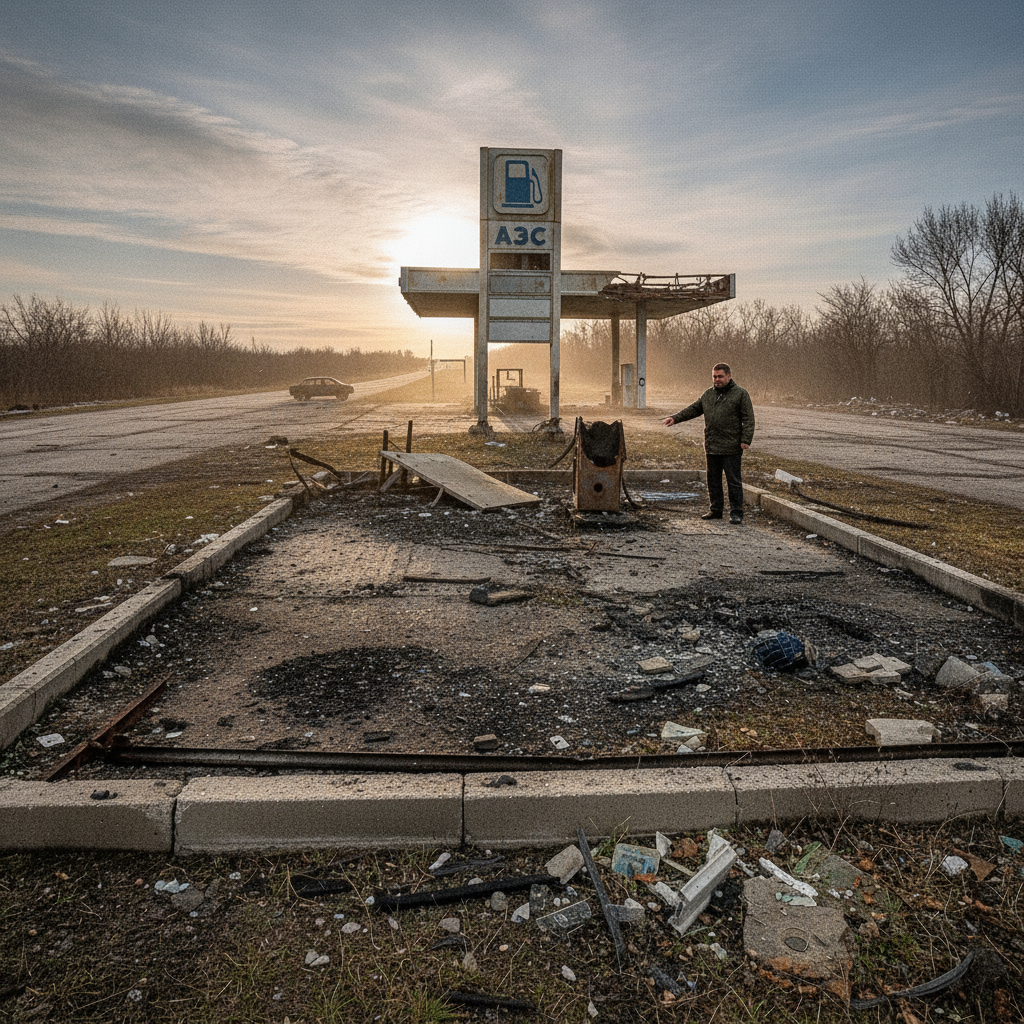
- By July 26, the Last Surviving Gas Station on the Kharkiv–Kyiv Highway Was Destroyed – Now Every Station Along the Route Is Gone
- 123 Drones Shot Down, Six Regions Hit: Russia's Overnight Attack Leaves Dead and Injured
- Eleven Dead in Russian Missile Attack on Military Range Near Kyiv—Maltese Diplomat Among Victims